



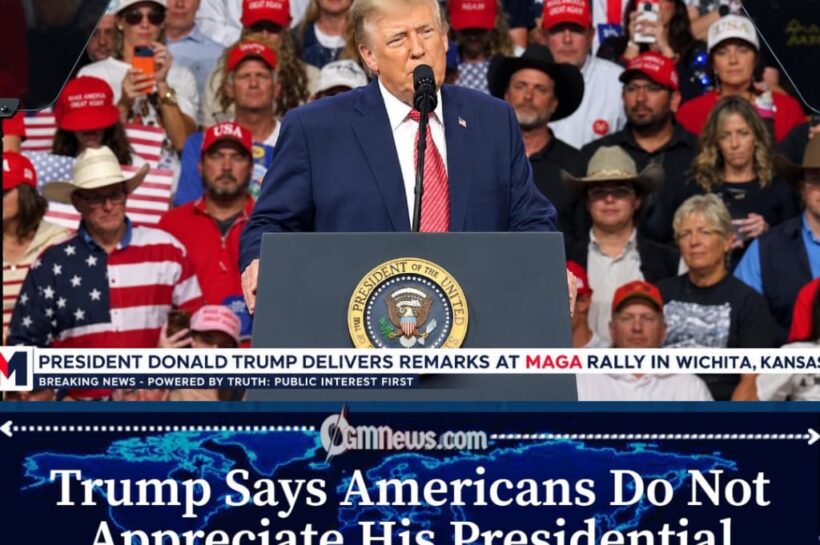
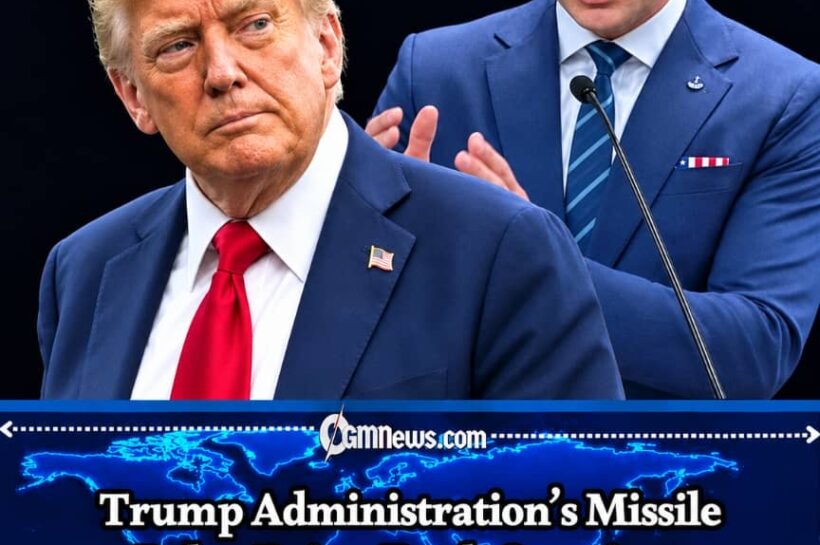




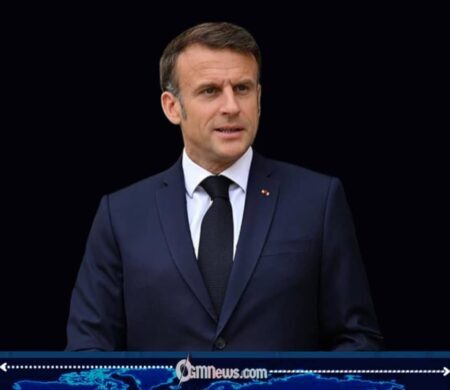
Emmanuel Macron has publicly criticized the decision by the administration of Donald Trump to ease certain sanctions on Russian oil exports, warning that the move could weaken the collective pressure Western nations have placed on Moscow. The decision, reportedly intended to stabilize global energy markets amid rising geopolitical tensions and disruptions linked to the Iran conflict, has sparked frustration among several U.S. allies in Europe.
Macron’s remarks highlight growing diplomatic tensions between Washington and key European partners over how best to manage the global energy crisis while maintaining a unified stance toward Russia. Analysts say the issue illustrates the complex balance governments face between economic stability and geopolitical strategy.
Macron’s Strong Reaction to the Policy Shift
Emmanuel Macron voiced his concerns during discussions with European leaders and international partners, arguing that easing sanctions against Russia risks undermining years of coordinated pressure intended to influence Moscow’s actions on the global stage.
According to international media reports, Macron said that disruptions in energy supply should not be used as justification to weaken sanctions policies that Western nations had collectively supported. He emphasized that maintaining a unified approach among allies is crucial to preserving diplomatic credibility and strategic leverage.
In several public remarks, Emmanuel Macron stressed that Europe remains committed to maintaining pressure on Russia and urged partners to carefully consider the broader geopolitical consequences of relaxing economic restrictions.
Trump Administration’s Rationale for Easing Sanctions
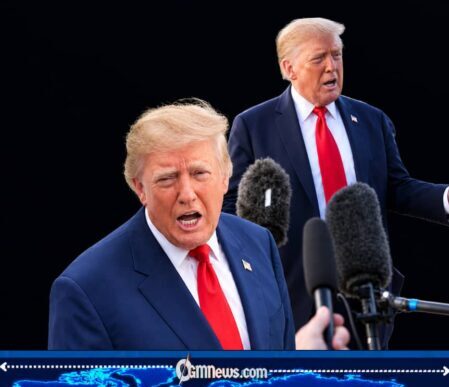
Officials within the administration of Donald Trump, currently serving a second term as U.S. president, said the decision to temporarily ease certain sanctions was motivated by concerns about global energy stability.
With oil markets experiencing volatility due to geopolitical tensions and potential disruptions to shipping routes, U.S. officials argued that allowing limited Russian oil shipments could help stabilize supply and prevent sharp increases in fuel prices.
Supporters of the move say the policy is intended as a temporary measure rather than a permanent shift in sanctions strategy. According to administration officials, Donald Trump has prioritized preventing an energy shock that could harm global economic stability and raise costs for consumers.
European Allies Express Growing Frustration
The decision has drawn criticism from several European governments, many of which fear that relaxing sanctions could weaken the collective leverage Western nations hold over Russia.
Leaders across Europe have emphasized that sanctions policies work most effectively when implemented through coordinated international efforts. Some officials worry that unilateral adjustments could complicate diplomatic negotiations and create divisions among allies.
In particular, Emmanuel Macron has urged continued cooperation between the United States and European partners, warning that policy disagreements could undermine the unity that has characterized Western responses to global security challenges.
Energy Crisis Shapes Policy Decisions
The controversy surrounding Russian oil sanctions comes amid a broader global energy crisis fueled by geopolitical instability and disruptions to critical supply routes.
Concerns about security in the Strait of Hormuz—a key maritime route through which a significant portion of the world’s oil supply travels—have contributed to volatility in global energy markets. Even the possibility of disruptions in the strait has pushed oil prices higher and increased pressure on governments to stabilize supply.
In this context, the administration of Donald Trump has argued that maintaining adequate oil supply is essential to preventing a deeper economic crisis. However, critics such as Emmanuel Macron say such measures must be carefully balanced against long-term geopolitical goals.
Diplomatic Implications for Western Alliances
The disagreement over sanctions highlights the complex diplomatic landscape facing Western leaders. Maintaining unity among allies has long been considered a key component of international strategy, particularly when addressing conflicts involving major global powers.
Emmanuel Macron has repeatedly emphasized the importance of coordinated action between the United States and Europe. While acknowledging the economic pressures created by the global energy crisis, he has argued that strategic decisions should be taken collectively to preserve trust among allies.
As policymakers continue to navigate the overlapping challenges of energy security, geopolitical rivalry, and economic stability, the debate over Russian oil sanctions is likely to remain a prominent issue in international diplomacy.

The weekly tournaments here keep me coming back because the prize pools are surprisingly generous....