



























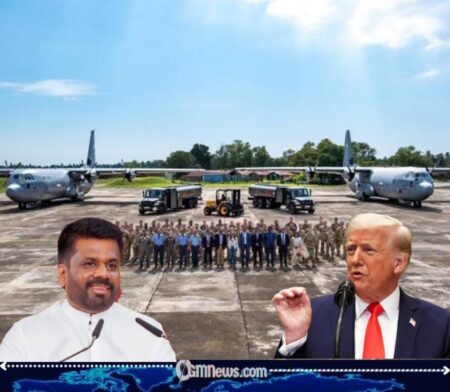
United States sought permission to land military aircraft at a civilian airport in Sri Lanka, but the request was ultimately denied, reflecting growing geopolitical sensitivities. United States officials had reportedly planned the landing as part of broader regional operations linked to ongoing tensions in the Middle East.
The decision by Sri Lanka came during a period of heightened global uncertainty, particularly as military activity involving the United States and its allies continues to influence strategic movements across regions. Analysts note that such requests are not unusual but are often subject to diplomatic considerations.
Sri Lanka’s refusal underscores the complexity of international relations, especially for smaller nations navigating pressure from major global powers.
Background to the Aircraft Request
United States made the request in late February, seeking clearance for military aircraft to land at Mattala Rajapaksa International Airport. United States officials reportedly intended the aircraft to transit through the region as part of operational logistics.
The timing coincided with escalating tensions following military actions involving the United States and its allies, which have significantly altered the security landscape in the region.
Sri Lankan authorities evaluated the request alongside similar diplomatic and military considerations, ultimately choosing not to proceed.
United States and Strategic Military Movement
United States continues to rely on global networks of bases and partnerships to support its military operations. United States movements often include transit stops in allied or neutral countries to maintain operational reach.
However, such movements can become sensitive when they intersect with active conflicts or regional instability. The presence of military aircraft, especially those equipped with advanced capabilities, can raise concerns among host nations.
United States strategies in the Indo-Pacific and Middle East regions often require careful coordination with multiple governments, highlighting the importance of diplomatic alignment.
Sri Lanka Maintains Neutral Position
Sri Lanka emphasized its commitment to neutrality, declining not only the US request but also similar overtures from other nations. Officials indicated that approving one request could have required accommodating others, potentially compromising the country’s stance.
The decision reflects Sri Lanka’s broader foreign policy approach, which prioritizes non-alignment in times of international conflict. Maintaining neutrality allows the country to avoid becoming entangled in geopolitical disputes.
Sri Lanka’s leadership has stressed that its primary focus remains on safeguarding national interests and regional stability.
United States and Diplomatic Reactions
United States has not publicly escalated its response to the denial, but the development adds to ongoing diplomatic complexities in the region. US engagements with smaller nations often involve balancing strategic objectives with respect for sovereignty.
The situation highlights the challenges faced by global powers when operating in regions where neutrality is strongly valued. Diplomatic negotiations are likely to continue behind the scenes.
US officials may seek alternative arrangements to support their operational needs without disrupting relationships with key partners.
Implications for Regional Security
The refusal may have broader implications for regional security dynamics, particularly as tensions remain high across multiple fronts. Decisions by countries like Sri Lanka can influence how military operations are conducted and coordinated.
Observers suggest that maintaining neutrality in such circumstances can contribute to stability, even as it limits direct involvement in security initiatives. The balance between cooperation and independence remains delicate.
As global tensions persist, similar decisions by other nations could shape the evolving geopolitical landscape, with long-term effects on alliances and strategic planning.



[…] […]