
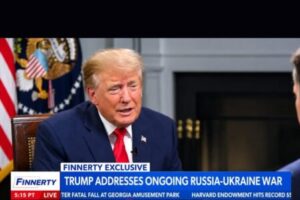
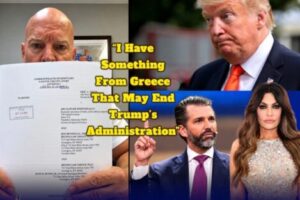


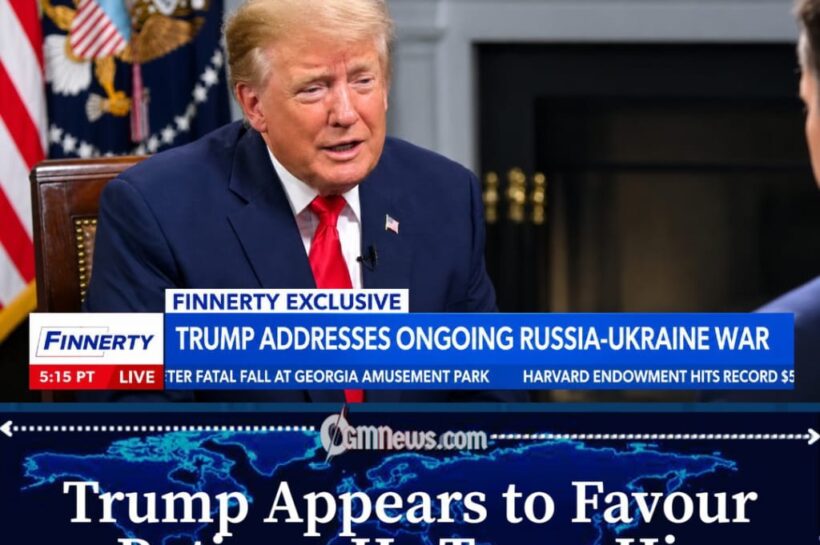
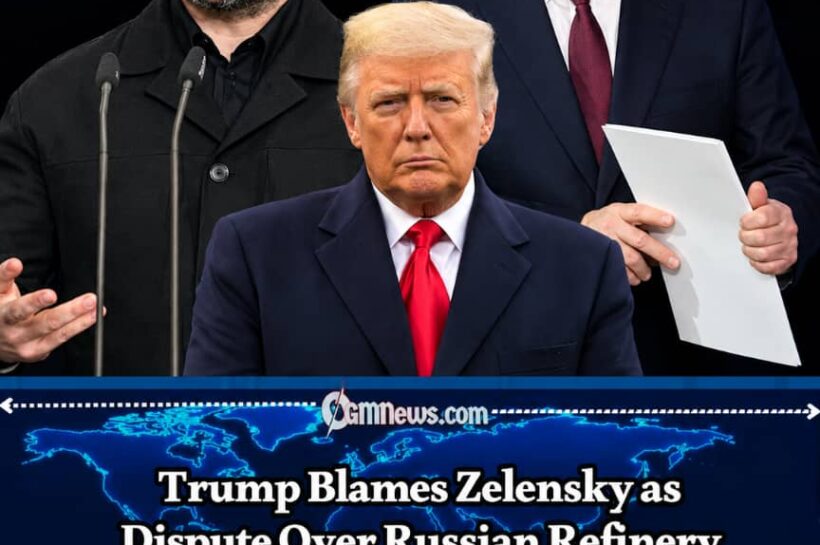

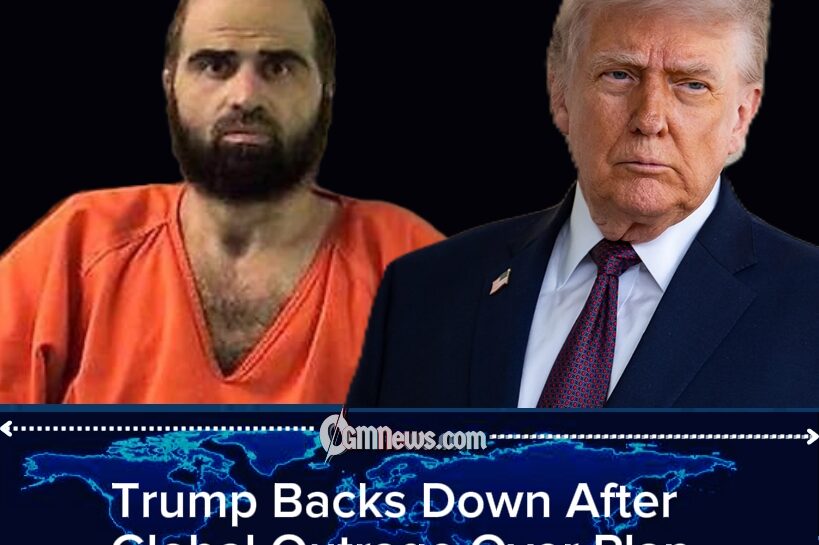
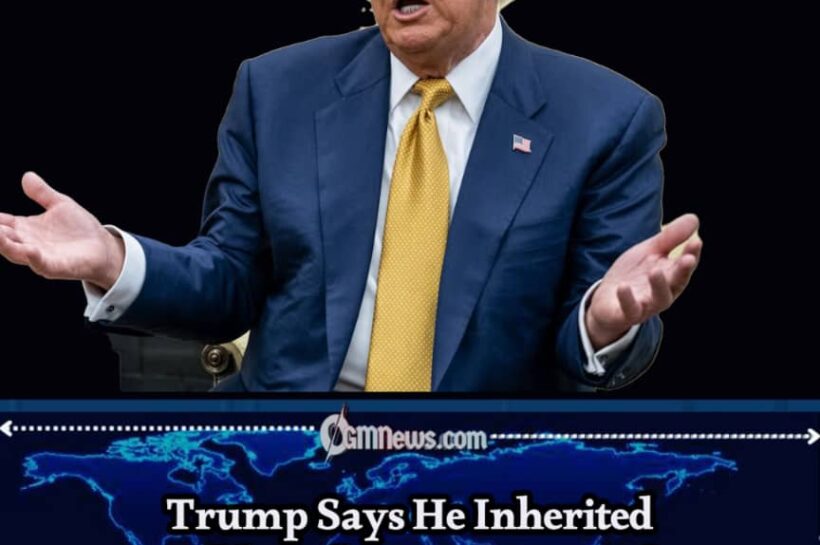
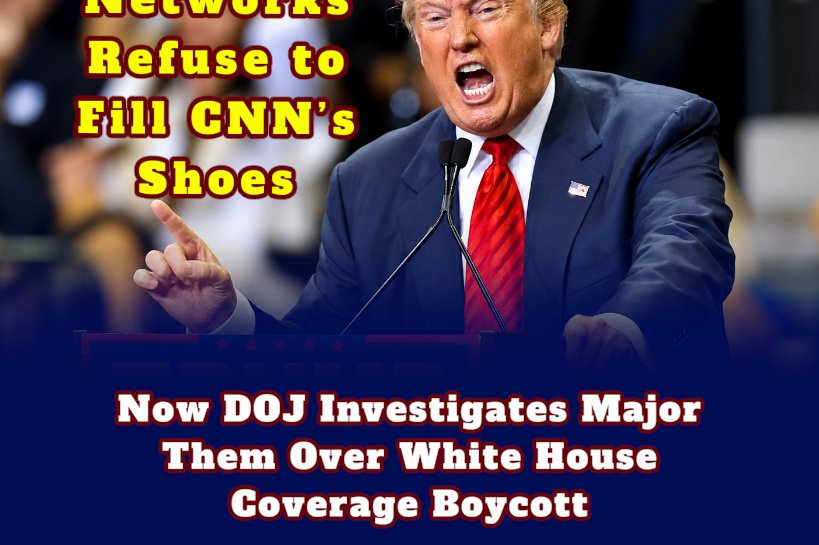



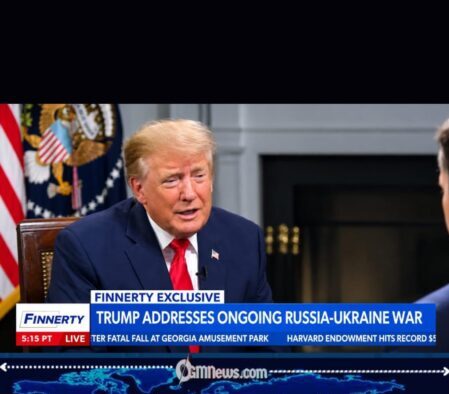
When the television cameras refused to line up exactly as expected, President Donald J. Trump responded with the political equivalent of reaching for the remote control and threatening to change the entire broadcasting system. After two major U.S. television networks and CNN declined to carry his prime-time speech on their main broadcast platforms, the president accused them of participating in a “plot” and suggested that broadcasters refusing to air such speeches should lose their licenses.
The address, delivered just months before the U.S. midterm elections, focused largely on election security and Trump’s renewed allegations of foreign interference in previous elections. While some networks opted to carry the speech through streaming services instead of their traditional television channels, the decision quickly escalated into yet another fierce battle between the White House and America’s media establishment.
Broadcast Battle Turns Into Political Theatre
If satire imitates reality, then Thursday night’s drama hardly required any extra script. One side argued that the president deserved uninterrupted airtime because the issues discussed were matters of national importance. The other insisted that editorial independence remains a cornerstone of American journalism, allowing networks to determine how and where presidential remarks are presented.
Rather than treating the decision as an editorial judgment, Trump portrayed it as evidence of coordinated bias, arguing that broadcasters refusing live coverage were misleading the public. His criticism revived longstanding disputes between his administration and several major media organizations, many of which have frequently challenged his claims regarding election integrity and other political issues.
Licenses, Free Speech and the Great Remote-Control Debate about Trump administration
The president’s warning that broadcasters could lose their licenses immediately reignited debate among constitutional scholars and media observers. Broadcasting licenses in the United States are regulated under federal law, but legal experts have consistently maintained that news organizations enjoy strong First Amendment protections regarding editorial decisions, including whether to air presidential speeches live.
Meanwhile, the episode highlighted the growing divide between traditional television and digital streaming platforms. Several networks made Trump’s speech available online while declining to interrupt their regular television programming. In satirical terms, it appeared that the speech had been politely invited into the streaming lounge while being asked not to disturb prime-time television dinner. Behind the humour, however, lies a serious conversation about media independence, political influence, public trust and the evolving relationship between elected leaders and news organizations.
Whether this latest confrontation becomes another chapter in America’s long-running political-media rivalry or develops into a broader legal and constitutional dispute remains to be seen. As debates continue over editorial freedom, election security and presidential communication, OGM News will closely monitor every new development and provide readers with timely updates as this unfolding story continues.
mjpKyJqtopJmUkjsHEeNp