
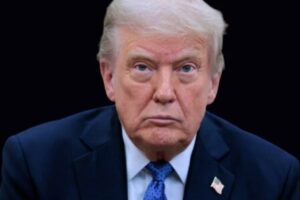








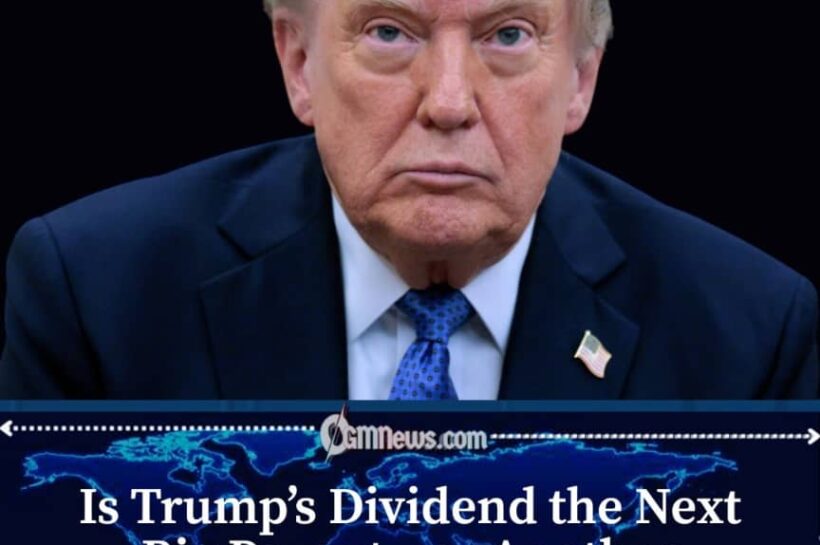

















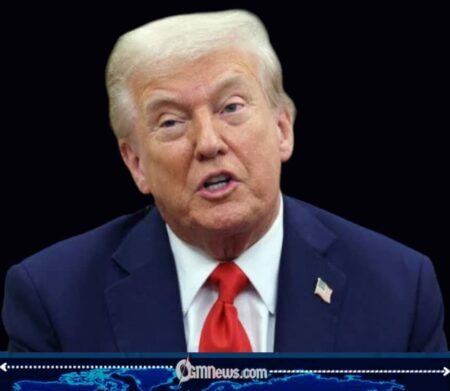
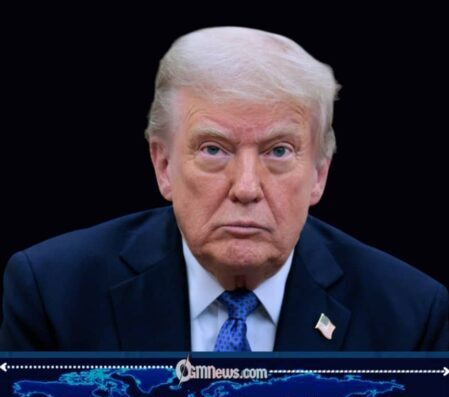
President Donald Trump has sparked international debate after stating that he believes he can “do anything” he wants with Cuba, remarks that come amid a worsening energy crisis on the island linked to U.S. sanctions and fuel shortages.
At the same time, widespread power outages across Cuba have strained essential services, including hospitals, raising concerns about the humanitarian consequences of prolonged economic restrictions. While specific reports of fatalities tied directly to blackouts remain difficult to independently verify in detail, credible accounts confirm that the crisis has placed lives at risk.
The situation highlights a broader global debate over the real-world impact of foreign policy decisions, particularly when economic pressure intersects with civilian welfare.
Trump’s Remarks and Escalating Rhetoric
President Donald Trump’s comments about Cuba were reported by major international outlets and interpreted by analysts as signaling a more assertive posture toward the country. His suggestion that the United States could exercise broad influence over Cuba has drawn criticism from both domestic and international observers.
The remarks come at a time of heightened tension between Washington and Havana, with the U.S. maintaining strict economic measures aimed at pressuring the Cuban government. Trump’s rhetoric has added to concerns about the potential for further escalation.
Diplomatic experts note that such statements can carry significant weight, particularly given the historical sensitivity of U.S.–Cuba relations and decades of economic embargo.
U.S. Sanctions and the Energy Crisis
The United States Government has intensified sanctions on Cuba, including restrictions that limit the country’s ability to import fuel. These measures have significantly reduced Cuba’s access to oil, which is essential for electricity generation.
As a result, Cuba has struggled to maintain its national power grid, leading to repeated and widespread blackouts. The situation has been exacerbated by aging infrastructure and limited domestic energy production.
Energy analysts point out that while sanctions aim to influence political outcomes, they can also create immediate economic challenges that affect everyday life for citizens.
Nationwide Blackouts and Infrastructure Collapse
Cuba has experienced multiple large-scale power outages in recent weeks, leaving millions without electricity for extended periods. These blackouts have disrupted transportation, communication systems, and basic household activities.
The collapse of the energy grid has also affected industries and public services, further straining an already fragile economy. Efforts to restore power have been intermittent, with authorities prioritizing critical areas where possible.
Residents have reported adapting to unpredictable electricity supply, often relying on short windows of restored power to meet essential needs.
Impact on Healthcare and Civilian Life
Hospitals and healthcare facilities have been among the most affected by the power crisis. Medical equipment, refrigeration for medicines, and emergency services all depend on consistent electricity supply.
Reports from international outlets indicate that hospitals have faced operational challenges, including delayed procedures and limited capacity to provide care. While precise accounts linking specific deaths to outages are not fully confirmed, the strain on the healthcare system is widely acknowledged.
Beyond healthcare, the crisis has impacted water supply, food storage, and overall living conditions, underscoring the vulnerability of civilian populations during prolonged infrastructure disruptions.
Policy Debate: Sanctions and Humanitarian Consequences
The situation in Cuba has intensified debate over the effectiveness and ethical implications of economic sanctions. Critics argue that such measures disproportionately affect civilians, potentially worsening humanitarian conditions without achieving intended political goals.
Supporters of sanctions maintain that they are a necessary tool to pressure governments and encourage reforms. They argue that long-term benefits may outweigh short-term hardships.
President Donald Trump’s policies toward Cuba reflect this broader debate, as policymakers weigh strategic objectives against humanitarian considerations.
Diplomatic Outlook and Future Implications
Looking ahead, the trajectory of U.S.–Cuba relations remains uncertain. Continued sanctions could prolong economic and humanitarian challenges, while any shift in policy might open pathways for dialogue.
International observers are closely monitoring the situation, particularly as it relates to energy stability and public welfare. The crisis also raises questions about how global powers balance political influence with humanitarian responsibility.
As developments unfold, President Donald Trump’s remarks and policy decisions are likely to remain central to discussions about the future of Cuba and the broader role of sanctions in international relations.


[…] […]