



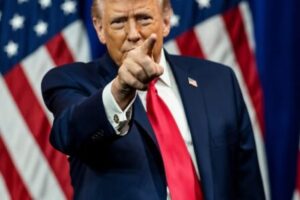







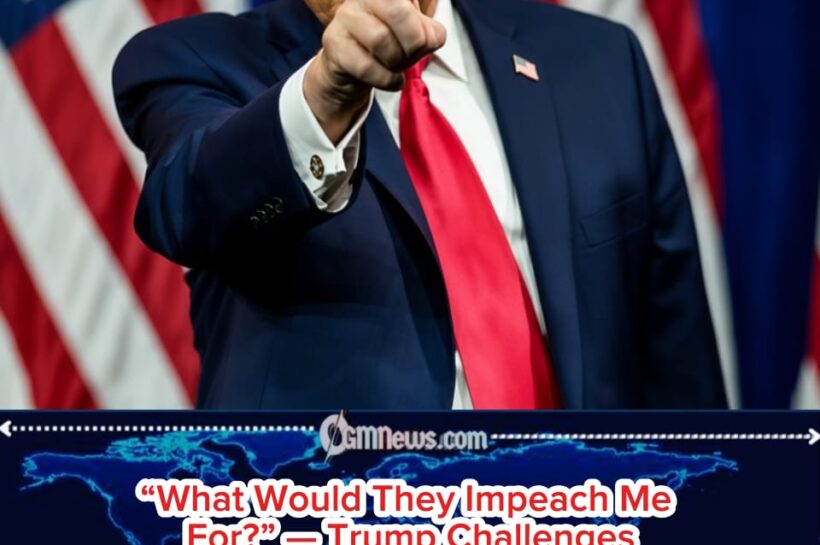







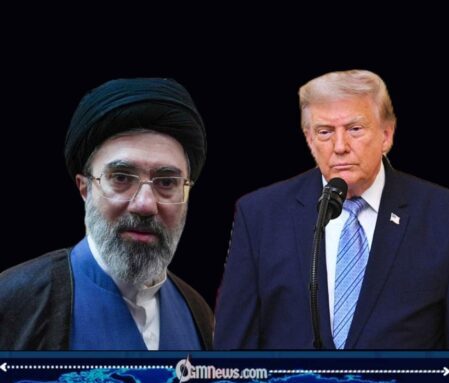
President Donald Trump has fired back at Tehran’s demand for compensation over the damage caused by the Middle East conflict, effectively telling Iran that if negotiations are going to become a financial exercise, Washington intends to send its own invoice. In a post on Truth Social, Trump said Iran should compensate Americans killed or seriously wounded in Iranian-backed attacks and also demanded payments connected to deaths during decades of unrest and repression.
The latest exchange has added another layer of drama to an already tense dispute over the Strait of Hormuz, with Tehran reportedly demanding an end to sanctions, the withdrawal of U.S. forces and compensation before the strategically important waterway can be fully reopened. Trump, apparently unwilling to let Iran control the terms of the bargaining table, said he had instructed his representatives to make American compensation claims part of future negotiations.
Trump Rejects Iran’s Compensation Demand and Calls for Tehran to Pay Americans
Trump’s response has transformed what might ordinarily have been a diplomatic negotiation into something resembling an international accounting dispute. Rather than accepting Tehran’s proposed bill, the President has demanded compensation for Americans killed and wounded through Iranian-backed activity, while also invoking victims of repression inside Iran.
The political theatre is serious despite its almost surreal presentation. Iran wants the United States to accept responsibility for wartime damage and change its regional posture, while Trump insists that Tehran must first answer for the human cost of Iranian-backed attacks. In the President’s telling, Washington is not preparing to write a cheque; it is preparing to present one.
Water Systems Become the New Battlefield
Behind the diplomatic fireworks is a quieter but potentially more consequential concern: cyberattacks against American critical infrastructure. U.S. agencies have repeatedly warned that Iranian-affiliated hackers have targeted operational technology used by water and wastewater utilities. A joint federal advisory identified exploitation of industrial-control systems and warned that attackers could cause disruptive effects inside the United States.
Recent incidents have intensified those concerns. Minnesota officials reported that more than 30 community water systems were targeted in a coordinated cyberattack in late July, while officials in other states have reported attacks or suspicious activity involving water infrastructure. Some affected systems were forced into manual operations, although authorities have not reported widespread contamination of drinking water.
The irony is difficult to miss: while diplomats argue over who owes whom compensation, hackers allegedly linked to Tehran have been probing systems that deliver something far more basic than geopolitical leverage — water. The attacks have therefore given the broader confrontation a distinctly uncomfortable twist, with America’s taps and treatment facilities becoming part of the national-security conversation.
For now, however, officials continue to stress that the cyber incidents have not produced a nationwide drinking-water emergency. The U.S. Environmental Protection Agency and other federal agencies have urged utilities to strengthen cybersecurity protections, particularly around internet-connected industrial-control equipment.
Trump’s latest declaration consequently adds another complication to negotiations already burdened by the Strait of Hormuz confrontation, military pressure and competing demands for compensation. Whether Tehran ultimately accepts Washington’s counter-invoice remains uncertain, but one thing is becoming increasingly clear: in this diplomatic dispute, nobody appears eager to be the party left holding the bill. Readers should watch OGM News NG for further updates as the negotiations, cyber investigations and Strait of Hormuz standoff develop.


mjpKyJqtopJmUkjsHEeNp