






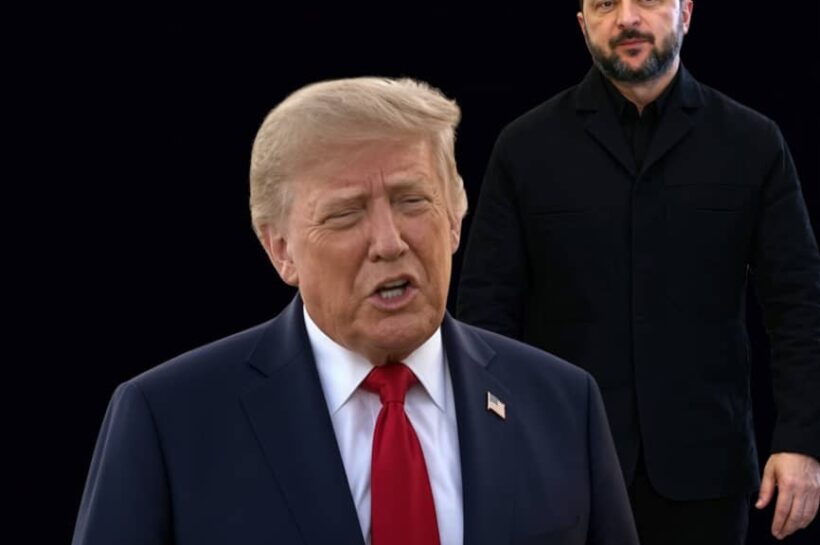








The ongoing conflict involving the United States and Iran has taken a more alarming turn, as President Donald Trump renews threats to target Iranian power plants and other key infrastructure. Despite repeatedly suggesting that a diplomatic agreement could soon bring an end to hostilities, recent developments indicate a widening gap between rhetoric and reality.
As tensions escalate, global oil prices have surged once again, reflecting growing fears of prolonged instability in the Middle East. Iranian officials have downplayed the likelihood of negotiations, while continuing to issue strong warnings against any further military escalation. The situation remains fluid, with both sides projecting readiness for continued confrontation.
Escalating Military Posture and Rising Regional Tensions
The United States has significantly expanded its military footprint in the Middle East, deploying hundreds of special operations forces across strategic locations. President Trump has openly suggested the possibility of seizing Iran’s oil resources, a move that could involve ground operations targeting critical infrastructure.
In response, Iran has adopted a defiant stance, warning that any incoming U.S. forces would face severe retaliation. Iranian leaders have vowed to confront American troops directly, raising fears of a broader and more destructive conflict. The rhetoric from both sides signals a deepening crisis with limited immediate prospects for de-escalation.
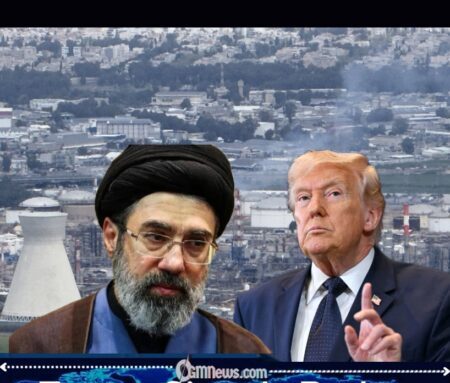
Meanwhile, Iran’s allied groups, including Hezbollah and the Houthi movement in Yemen, have intensified their attacks across the region. Missile and drone strikes have targeted Israeli and Gulf state infrastructure, with explosions reported near vital oil facilities in Haifa, a key city in Israel. These developments have heightened concerns over the security of global energy supplies.
Gulf Allies Push for Continued Military Campaign Against Iran
Amid the escalating conflict, key U.S. allies in the Gulf region are reportedly urging Washington to sustain its military campaign against Iran. Countries such as Saudi Arabia and the United Arab Emirates are said to believe that Iran has not yet been sufficiently weakened by the ongoing operations.
Although some Gulf nations initially expressed frustration over a lack of prior consultation before the outbreak of hostilities, their stance appears to have shifted. Officials from across the region now reportedly view the conflict as a strategic opportunity to significantly diminish Iran’s influence and potentially force changes within its leadership structure.
Sources indicate that representatives from Kuwait and Bahrain have also communicated similar positions in private discussions. These countries are advocating for the continuation of military pressure until there is a substantial shift in Iran’s regional behavior or governance approach. Their position underscores a broader regional alignment in favor of sustained action.
Uncertain Path to Diplomacy Amid Conflicting Signals
Despite the growing calls for continued military engagement, President Trump has maintained that a diplomatic resolution remains possible. However, his alternating messages—ranging from optimism about imminent negotiations to renewed threats of escalation—have created uncertainty among both allies and adversaries.
Iran, for its part, has shown little indication of readiness to engage in meaningful talks under current conditions. Its leadership continues to frame the conflict as a defense against external aggression, while reinforcing its military posture across multiple fronts.
As the situation evolves, the international community faces mounting pressure to address the risks of further escalation. With oil markets already reacting sharply and regional stability hanging in the balance, the coming weeks may prove critical in determining whether diplomacy or prolonged conflict will define the next phase of this crisis.
Mexican players will love how well this platform handles local payment methods. Deposits via OXXO...