









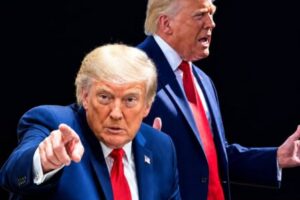


















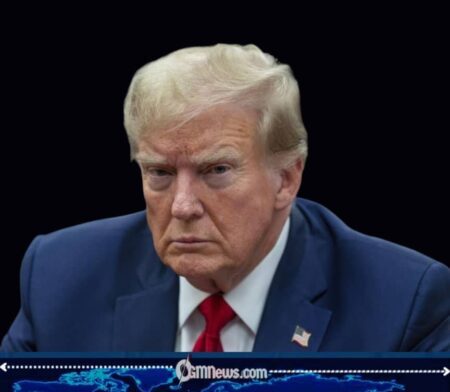
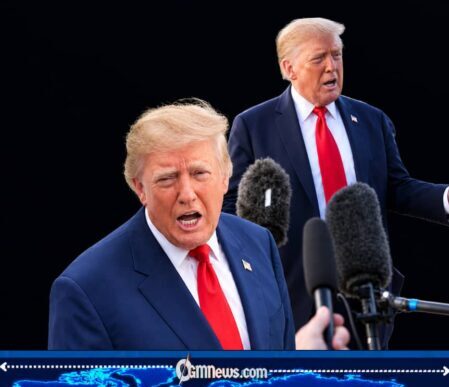
Donald Trump has issued a stark warning that the ceasefire agreement with Iran is under serious threat, accusing Tehran of actions that undermine its core provisions. Speaking amid rising tensions in the Gulf, Donald Trump asserted that Iran’s conduct in the Strait of Hormuz does not reflect the commitments made during negotiations.
The remarks signal a rapid escalation in tone from the U.S. administration. Donald Trump emphasized that continued restrictions on maritime traffic could trigger consequences, placing the already fragile truce at risk of collapse and drawing global attention to the unfolding crisis.
Trump Escalates Rhetoric Over Maritime Restrictions
In a series of statements, Donald Trump criticized Iran for what he described as non-compliance with the ceasefire terms, particularly regarding the free movement of oil tankers. According to administration officials, the agreement was intended to ensure uninterrupted passage through the Strait of Hormuz, a vital artery for global energy supplies.
Donald Trump’s comments came shortly after an earlier warning in which he urged Iran to halt any form of toll collection or interference with shipping. Within hours, his position hardened, with the president declaring that such actions were “not the agreement” reached between both sides. The sharp shift in rhetoric has intensified concerns that diplomatic progress may be unraveling.
Dispute Over Control of the Strait of Hormuz
At the center of the crisis lies the strategic Strait of Hormuz, a narrow but crucial waterway linking the Persian Gulf to global markets. The United States maintains that the ceasefire required Iran to allow open and secure navigation for all commercial vessels.
However, reports indicate that Iran continues to exercise strict oversight of maritime traffic, including coordinating vessel movements and allegedly imposing fees. These measures have been interpreted by Washington as inconsistent with the spirit and possibly the letter of the agreement.
Iranian authorities, for their part, argue that such controls fall within their sovereign rights and are necessary for maintaining regional security. This fundamental disagreement has deepened mistrust and complicated efforts to sustain the ceasefire.
Conflicting Interpretations Undermine Agreement
Diplomatic analysts point to differing interpretations of the ceasefire as a key factor behind the current tensions. While U.S. officials insist that the agreement mandates full operational freedom in the strait, Iran appears to interpret the terms more narrowly.
The ambiguity has created a scenario in which both parties claim adherence while accusing the other of violations. This lack of clarity has exposed weaknesses in the negotiation process and raised questions about the durability of the agreement.
Efforts to mediate the dispute are ongoing, but the absence of a unified understanding continues to hinder progress. Without clearer definitions and enforcement mechanisms, the ceasefire remains vulnerable to further disputes.
Shipping Disruptions and Global Economic Risks
The uncertainty surrounding the Strait of Hormuz has already had tangible effects on global shipping. Many vessels remain delayed or rerouted as companies weigh the risks associated with navigating the contested waters.
Energy markets have responded with caution, as even minor disruptions in the strait can significantly impact oil supply. Analysts warn that prolonged instability could lead to price volatility, affecting economies far beyond the immediate region.
The situation also highlights the broader implications for international trade. A sustained slowdown in one of the world’s busiest maritime corridors could disrupt supply chains and increase costs across multiple sectors.
International Response and Legal Implications
Global reactions to the dispute have underscored the importance of maintaining freedom of navigation in international waters. Maritime organizations and legal experts have expressed concern over any actions that could set precedents for restricting access to strategic waterways.
Several governments have called for restraint and urged both the United States and Iran to uphold the ceasefire. Diplomatic channels remain active, with mediators seeking to clarify the agreement and prevent further escalation.
Legal analysts caution that unresolved disputes over maritime rights could have long-term consequences, potentially influencing how similar conflicts are managed in other regions.
A Ceasefire at a Critical Juncture
As tensions continue to rise, the ceasefire stands at a critical juncture. Donald Trump has made it clear that the United States expects full compliance with the agreement, signaling a readiness to respond if conditions are not met.
At the same time, Iran’s firm stance suggests that a quick resolution may be unlikely. The coming days will be pivotal in determining whether diplomacy can salvage the truce or if the situation will escalate further.
For now, the world watches closely as developments in the Strait of Hormuz unfold, aware that the outcome could have far-reaching implications for global security and economic stability.
The unfolding dispute illustrates the challenges of maintaining ceasefire agreements in complex geopolitical environments. With competing interpretations, economic stakes, and strategic interests at play, the path forward remains uncertain.


Logging in is a breeze and the site stability is amazing even during peak hours....