


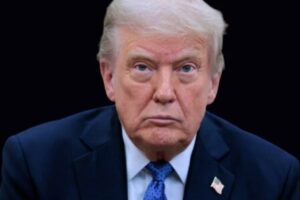




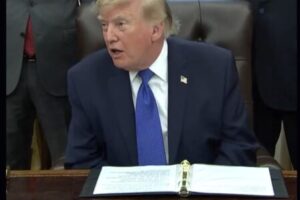















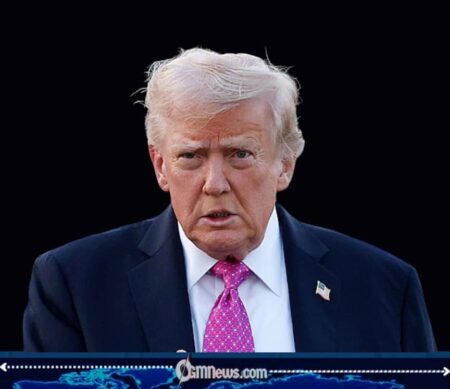
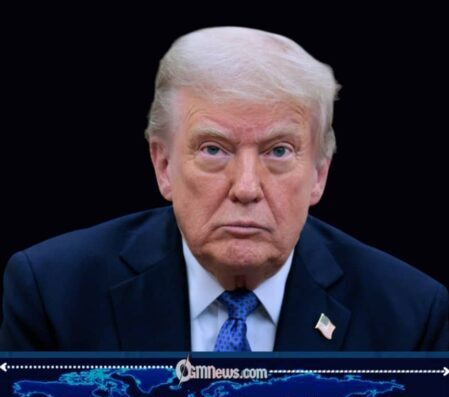
Donald Trump has indicated that the United States may launch fresh military strikes against Iran if ongoing diplomatic efforts fail, setting a narrow 24-hour window for a breakthrough. In remarks given during an interview, the U.S. president said Washington would soon determine whether negotiations can produce results or if a return to military action is imminent.
The statement reflects a critical moment in the evolving crisis, with Donald Trump emphasizing that the United States is simultaneously pursuing diplomacy while preparing for escalation. His comments underscore the urgency surrounding the talks and highlight the fragile balance between negotiation and confrontation.
Trump Warns of Renewed Military Action
Donald Trump made clear that the United States is prepared to act decisively should Iran fail to meet expectations during ongoing discussions. He stated that military assets are being readied and that the U.S. is equipped with advanced weaponry, signaling a readiness to escalate if necessary.
The remarks represent one of the strongest warnings yet from Donald Trump since the ceasefire was announced. By linking the outcome of negotiations directly to potential military action, the administration appears to be applying pressure on Tehran to make concessions within a limited timeframe.
Officials familiar with the situation suggest that the president’s comments are intended both as a deterrent and as leverage in negotiations, reinforcing the seriousness of U.S. demands.
Military Build-Up Signals Credible Threat
Evidence of a military build-up in the region has added weight to the president’s statements. U.S. naval forces remain deployed near the Gulf, with reports indicating that ships are being rearmed and positioned for rapid response.
Donald Trump has confirmed that American forces will maintain a strong presence in the region until Iran complies with the terms under discussion. This posture suggests that the administration is not relying solely on rhetoric but is actively preparing for potential contingencies.
Defense analysts note that such preparations are consistent with a strategy designed to ensure readiness while negotiations continue, allowing for swift action if diplomatic efforts fail.
Diplomatic Talks Enter Crucial Decisive Phase
The ongoing negotiations, reportedly taking place through international mediation, are seen as a last opportunity to stabilize the situation. Both sides are under pressure to reach an agreement that addresses key concerns, including security arrangements and maritime access.
Donald Trump’s reference to a 24-hour decision window highlights the urgency of the talks. While the exact terms being negotiated remain unclear, it is evident that time is a critical factor in determining the outcome.
Diplomatic sources indicate that progress has been uneven, with significant gaps remaining between the positions of the United States and Iran. This uncertainty has heightened the risk of a breakdown in talks.
Strait of Hormuz Remains Central Flashpoint
The Strait of Hormuz continues to be a focal point of the dispute, with disagreements over access and control contributing to broader tensions. The United States has insisted on unrestricted navigation, while Iran maintains its right to oversee activities within the waterway.
Disruptions in shipping have persisted despite ceasefire efforts, affecting global energy markets and raising concerns about supply stability. The situation underscores the strategic importance of the strait and its role in the current crisis.
Any failure to resolve these issues could have immediate consequences, not only for regional security but also for the global economy, given the volume of oil transported through the corridor.
Global Concerns Over Escalation Risks
International observers have expressed concern over the possibility of renewed conflict, warning that further escalation could have far-reaching implications. Governments and organizations are closely monitoring developments and urging restraint from all parties involved.
The potential for military action has also raised legal and diplomatic questions, particularly regarding the enforcement of ceasefire agreements and the use of force in resolving disputes.
Despite these concerns, the situation remains fluid, with outcomes dependent on the success or failure of ongoing negotiations.
A Critical Moment for U.S.–Iran Relations
As the 24-hour window set by Donald Trump approaches, the future of U.S.–Iran relations hangs in the balance. The combination of diplomatic urgency and military preparedness reflects the high stakes involved.
Donald Trump has signaled that the United States is prepared to move quickly in either direction, depending on the outcome of talks. This dual-track approach underscores the complexity of the situation and the challenges of achieving a lasting resolution.
The coming hours are likely to be decisive, determining whether diplomacy can avert further conflict or whether tensions will escalate once again.
The unfolding developments highlight the delicate interplay between diplomacy and military strategy in managing international crises. With limited time for negotiations and significant consequences at stake, the decisions made in the immediate future will shape the trajectory of the conflict and its global impact.


[…] […]