





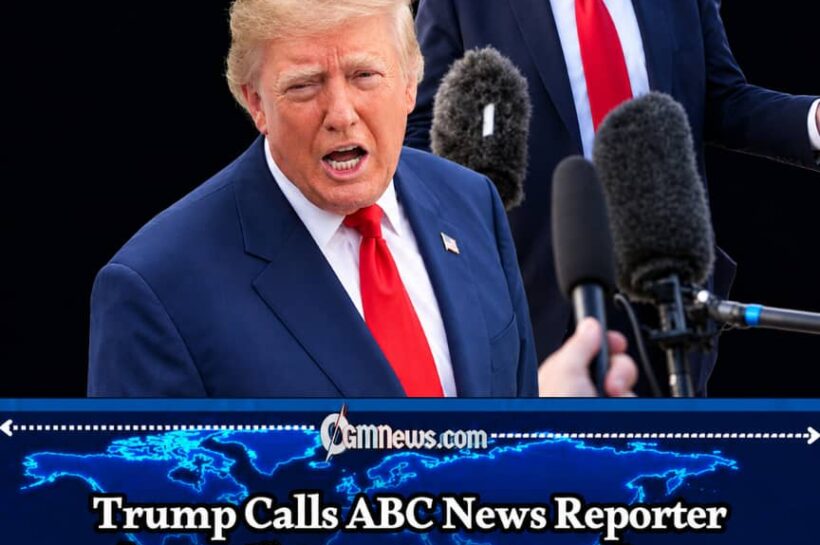




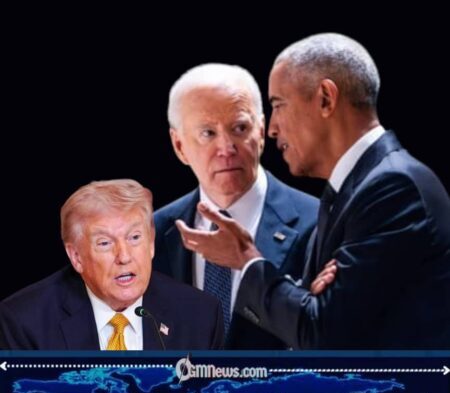
DELAY became the centerpiece of another explosive Donald Trump political broadside this week after the president accused Iran of manipulating the United States and world powers for nearly half a century through calculated stalling tactics and strategic negotiations. In a fiery statement filled with insults aimed at former President Barack Obama and criticism of Joe Biden, Trump argued that Tehran waited patiently for American leadership it viewed as weak enough to exploit. The remarks immediately triggered intense reactions online, reviving old arguments over diplomacy, sanctions, and the controversial nuclear agreement negotiated during the Obama administration.
The statement reflects Trump’s continuing effort to frame himself as a leader of strength in foreign affairs while portraying previous Democratic administrations as ineffective against hostile governments. While his supporters applauded the aggressive tone, critics accused the president of oversimplifying complex geopolitical events and using inflammatory language that could deepen already volatile tensions in the Middle East.
Trump Revives Long-Running Attacks on Obama-Era Foreign Policy
Donald Trump’s comments focused heavily on Iran’s history of negotiations with Western nations, particularly during the years surrounding the Joint Comprehensive Plan of Action, commonly known as the Iran nuclear deal. Trump has repeatedly condemned the agreement since his first term in office, arguing that it provided Tehran with financial breathing room without permanently ending its nuclear ambitions. His latest remarks continued that narrative, describing Obama as a president who allegedly allowed Iran to outmaneuver the United States diplomatically.
Political analysts note that Trump’s rhetoric mirrors themes that helped shape his earlier campaigns, especially the idea that America projected weakness under Democratic leadership. The president’s criticism of Joe Biden also signaled an attempt to connect current global tensions with previous administrations, despite changing geopolitical circumstances. Opponents argue that the rhetoric ignores the international coalition involved in negotiations and downplays the role sanctions and diplomacy played in temporarily limiting Iran’s nuclear activities.
The Broader “DELAY” Strategy Debate Returns to Washington
DELAY has increasingly become a symbolic word in modern political messaging surrounding Iran, representing accusations that Tehran uses prolonged negotiations to gain economic or strategic advantages while avoiding direct confrontation. Experts in international relations, however, caution that diplomacy involving nuclear programs often requires years of complicated negotiations due to security concerns, verification measures, and international pressure from multiple governments simultaneously.
Recent tensions in the Middle East have added new urgency to these debates. Discussions surrounding sanctions, military deterrence, and regional alliances continue shaping American foreign policy conversations. Trump’s latest remarks arrive during a period when many voters remain concerned about international stability, oil markets, and the possibility of escalating conflict involving Iran and its regional proxies. Supporters believe Trump’s aggressive tone signals deterrence, while critics warn it risks turning sensitive diplomatic issues into campaign-style political theater.
As reactions continue pouring in from political figures and foreign policy commentators, the controversy surrounding Trump’s statement shows little sign of fading quickly. OGM News understands that the battle over how America handles Iran — through diplomacy, pressure, or confrontation — may once again become one of the defining political flashpoints of the current administration. For now, the word DELAY has evolved from a simple accusation into a broader symbol of America’s deeply divided foreign policy debate.

Logging in is a breeze and the site stability is amazing even during peak hours....