

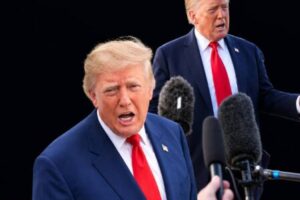

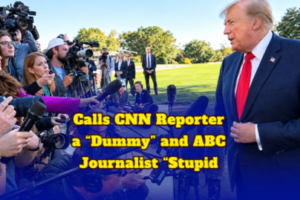


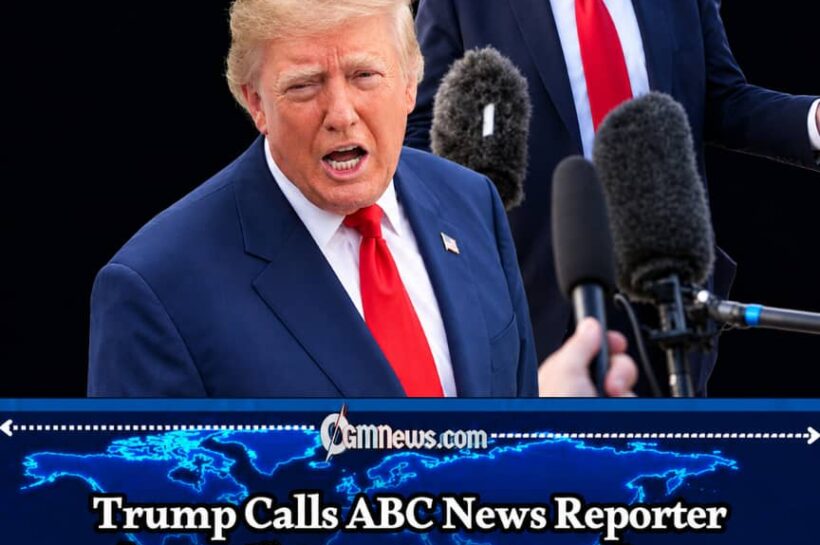








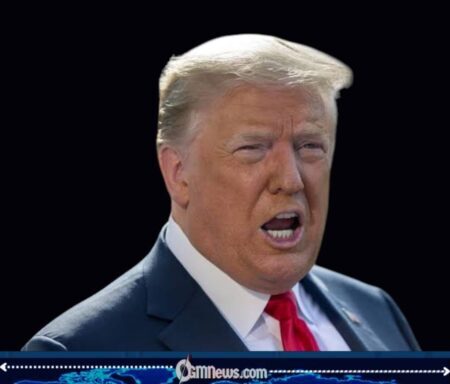
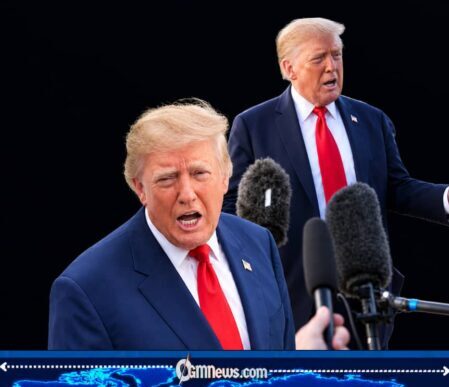
Games have once again become the language of global politics after President Donald J. Trump accused Iran of deceiving the United States and “the rest of the world,” warning that Tehran “will be laughing no longer.” The remarks, delivered amid renewed concerns surrounding Iran’s nuclear activities and regional influence, immediately sparked intense international speculation over whether Washington is preparing tougher diplomatic, economic, or even military responses. While supporters praised the statement as a show of strength, critics warned that heated rhetoric between two long-time rivals could further destabilize an already fragile region.
Rising Pressure Between Washington And Tehran
The latest comments from President Trump arrive during a period of heightened anxiety surrounding Iran’s nuclear program and broader Middle East security concerns. Western governments have repeatedly expressed concern over Iran’s uranium enrichment levels, while Tehran insists its nuclear activities remain peaceful and within its sovereign rights. The growing distrust has revived fears of another major diplomatic breakdown between both countries, especially after years of sanctions, proxy conflicts, and failed negotiations.
Games also became a symbolic phrase dominating political commentary after Trump’s remarks spread rapidly online. Supporters of the president described the warning as overdue pressure against what they see as Iranian manipulation of international agreements, while opponents argued the language risks inflaming tensions rather than encouraging diplomacy. On social media, some users joked that global oil prices react faster to Trump’s speeches than to actual economic reports, highlighting how political rhetoric itself has become a financial event.
Games: Nuclear Anxiety And Global Market Reactions
Beyond the headlines, analysts say the renewed confrontation reflects deeper geopolitical struggles involving energy markets, military alliances, and regional influence stretching from the Persian Gulf to the wider Middle East. Several international agencies and Western intelligence assessments in recent years have raised questions about Iran’s expanding nuclear capabilities, although Tehran continues rejecting accusations that it seeks nuclear weapons. The dispute has remained one of the world’s most dangerous diplomatic standoffs for more than two decades.
In diplomatic circles, officials are reportedly concerned that aggressive public messaging from both sides could narrow opportunities for negotiation. Oil traders, meanwhile, have reacted cautiously to every new statement, aware that instability involving Iran often affects global crude prices and shipping routes. Some political observers also note that Trump’s strong rhetoric plays well with supporters who favor a hardline foreign policy approach, especially during moments of international uncertainty where displays of strength dominate public attention.
As tensions continue building, Games may remain the defining word surrounding the latest chapter of U.S.-Iran relations. Whether the situation evolves into renewed negotiations, harsher sanctions, or a deeper regional confrontation, global leaders appear aware that every public statement now carries consequences far beyond political theater. OGM News will continue monitoring developments as the world watches carefully for what comes next.
Logging in is a breeze and the site stability is amazing even during peak hours....