




















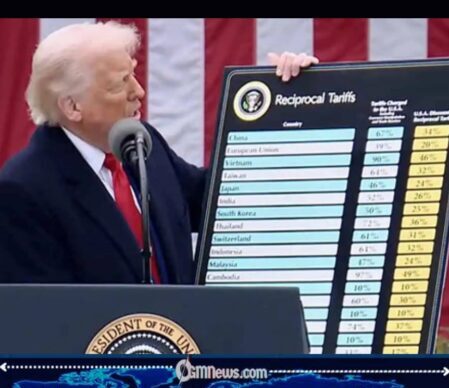
The first 18 months of President Donald J. Trump’s second term have produced an economy that seems determined to confuse everyone at the same time. Markets continue climbing, artificial intelligence investment is booming, and corporate America appears optimistic. Yet many households are still asking when campaign promises of lower prices, stronger paychecks, and a manufacturing revival will arrive. If the economy were a reality television contest, it would probably win “Most Likely to Receive Mixed Reviews.”
Recent economic indicators from the U.S. Bureau of Labor Statistics, the Federal Reserve, and other official agencies show an economy that has remained resilient despite higher tariffs, stricter immigration enforcement, and geopolitical tensions, including conflict involving Iran that has disrupted energy markets. While recession fears have eased, inflation remains above the Federal Reserve’s target, housing affordability continues to frustrate buyers, and employment growth has shifted toward healthcare, education, and AI-related construction rather than the manufacturing surge many expected.
Trump’s Economy That Refuses to Read the Script
Washington had promised an economic blockbuster featuring roaring factories, falling prices, and middle-class celebrations. Instead, audiences received a suspense drama where every positive statistic arrives carrying a disclaimer. Manufacturing jobs have struggled to expand despite renewed investment, while artificial intelligence data centers have become the unexpected stars of the employment story.
Satirically speaking, factories appeared ready for their grand comeback but discovered AI had already reserved the front-row seats. Construction workers found themselves building digital kingdoms rather than traditional assembly lines, while economists continued arguing over charts that seemed to tell different stories depending on which page was open. The economy kept insisting it was “doing its best,” even as shoppers continued comparing grocery receipts with expressions usually reserved for surprise examinations.
Prices, Paychecks and the Search for the Missing Boom
Inflation has slowed compared with previous peaks, but everyday affordability remains one of the Trump administration’s greatest political challenges. Higher oil prices following Middle East tensions, tariffs on imported goods, and continued housing shortages have combined to keep costs elevated. Disposable household income has shown signs of slowing, raising questions about how long consumer spending can continue supporting economic growth.
Meanwhile, Wall Street appears to be celebrating a different party altogether. Stock indexes continue reaching impressive levels, powered largely by enthusiasm surrounding artificial intelligence and record corporate borrowing to finance AI expansion. On Main Street, however, many families joke that the stock market must live in a different ZIP code because it keeps reporting record highs while mortgage payments and insurance premiums continue testing household budgets. In this satirical version of events, the stock market waves enthusiastically from the penthouse while first-time homebuyers remain stuck in the elevator wondering whether it is out of service.
Eighteen months into President Donald J. Trump’s second term, the economy presents a complicated picture of resilience mixed with unfinished promises. Strong investment, expanding AI infrastructure, and healthy financial markets coexist with stubborn inflation, affordability concerns, and slower-than-expected progress in manufacturing employment. As political attention increasingly turns toward the approaching midterm elections, the debate over whether the Trump administration’s economic strategy is succeeding is likely to intensify. OGM News will continue monitoring developments as new economic reports and policy decisions shape the next chapter of this evolving story.


I love how this casino keeps things exciting with a huge catalog of games and...