
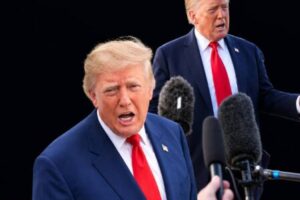
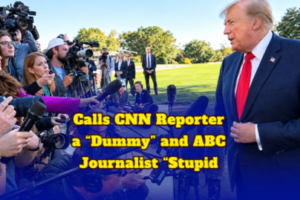


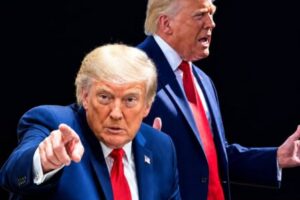
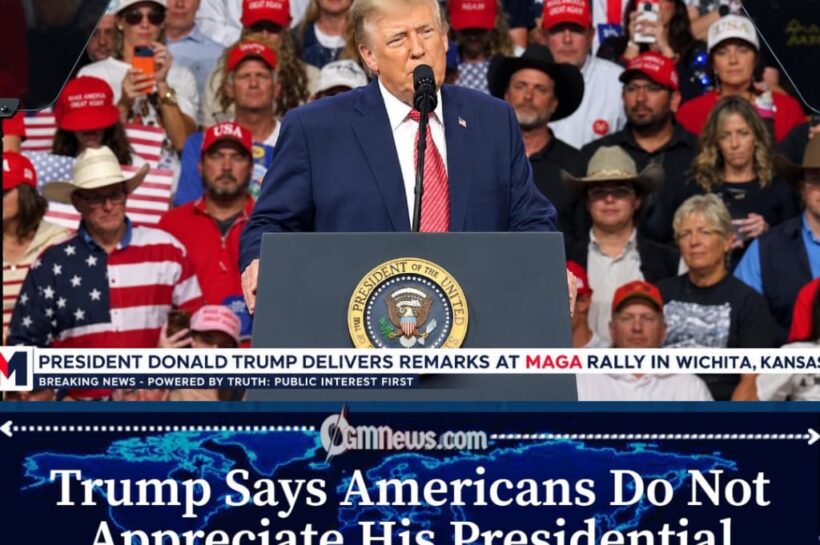



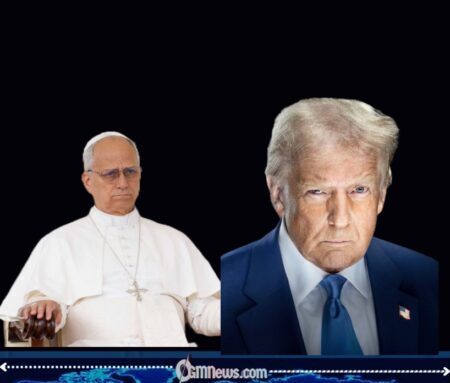
The diplomatic tone between the White House and the Vatican has taken a sharp turn as Donald Trump publicly rejected criticism from Pope Leo, insisting the pontiff is “wrong on the issues.” The dispute, triggered by remarks aired on the CBS program “60 Minutes,” has evolved into a broader clash over politics, religion, and public messaging.
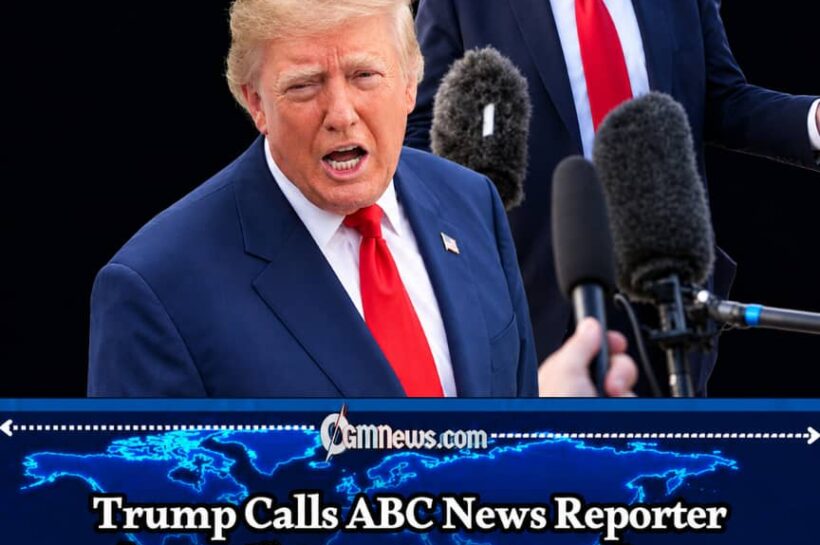
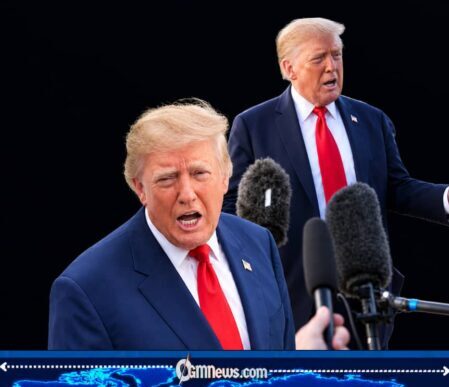
In a phone interview with CBS News correspondent Norah O’Donnell, President Trump made it clear he has no intention of softening his stance or initiating direct contact with the pope. The disagreement has since drawn reactions from political commentators and religious groups, further amplifying tensions between two influential global figures.
Fallout from “60 Minutes” Report
The controversy began after a segment on “60 Minutes” highlighted Pope Leo’s criticism of mass deportation policies and concerns over escalating tensions with Iran. The report underscored the pope’s emphasis on humanitarian values and peacemaking, positions that appeared to contrast with the administration’s policies.
President Trump confirmed he had watched the broadcast before posting a strongly worded message on Truth Social. In that post, he described the pope as “weak on crime” and “terrible for foreign policy,” signaling a rare and direct rebuke of a sitting pontiff by a U.S. president.
The remarks quickly gained traction online, drawing both support and criticism. Analysts note that the clash reflects deeper ideological differences, particularly on immigration and international diplomacy, where religious and political perspectives often diverge.
Trump Rejects Direct Engagement with the Vatican
Despite the growing controversy, President Trump ruled out any immediate effort to resolve the dispute through dialogue. When asked whether he would call Pope Leo, he responded with a firm refusal, stating that such engagement was unnecessary.
The President Trump also questioned the appropriateness of the pope’s involvement in political matters. According to Trump, religious leaders should avoid direct commentary on policy decisions, suggesting that Pope Leo may have overstepped traditional boundaries.
On the possibility of a papal visit to the United States during his presidency, Trump remained noncommittal, indicating that the decision rests entirely with the Vatican. The uncertainty adds another layer of ambiguity to already strained relations.
Dispute Over AI Image Adds to Controversy
Compounding the situation was a separate controversy involving an AI-generated image posted by President Trump on Truth Social. The image, which some interpreted as portraying him in a Jesus-like form, drew criticism from various quarters, including members of the Christian right.
President Trump later clarified that the image was intended to depict him as a doctor helping people, not as a religious figure. He described it as a creative and lighthearted interpretation, emphasizing that it was misunderstood by some viewers.
The President Trump eventually deleted the post, explaining that he wanted to avoid confusion. However, the incident contributed to the broader narrative of tension between Trump and religious communities, particularly amid the ongoing dispute with Pope Leo.
Reactions from Conservative Voices
The backlash extended to prominent conservative figures, including activist Riley Gaines, who publicly questioned the appropriateness of the AI image. She called for greater humility, suggesting that the post could be seen as insensitive to religious beliefs.
President Trump dismissed such criticism, stating he was not influenced by Gaines or similar voices. He also expressed a lack of alignment with her views, reinforcing his stance that the decision to remove the image was his own.
This exchange highlights divisions even within conservative circles, where support for the president often coexists with differing views on religious symbolism and public conduct.
Trump Defends Record with the Catholic Church
Amid the criticism, President Trump defended his administration’s relationship with the Catholic Church. He asserted that he had provided significant financial support during the COVID-19 pandemic, particularly for educational institutions.
According to Trump, these contributions demonstrated a strong commitment to the church, which he believes should be acknowledged. He framed his actions as evidence of goodwill that has not been reciprocated in the current dispute.
Political observers note that such claims may resonate with supporters but are unlikely to ease tensions with the Vatican, where moral and doctrinal considerations often outweigh financial arguments.
Pope Leo Responds with Message of Peace
In response to the escalating rhetoric, Pope Leo adopted a measured tone while addressing reporters aboard a flight to Algeria. He emphasized that his comments were not intended as personal attacks but as reflections of the Gospel’s teachings.
The pope reiterated the importance of peace and moral responsibility, stating that the church’s role is not to engage in politics but to uphold spiritual principles. He described himself as a messenger of peace, committed to speaking out on issues of conscience.
Importantly, Pope Leo expressed no fear of criticism from the Trump administration, signaling his willingness to continue addressing global issues from a moral standpoint. His response underscores a fundamental difference in approach between religious leadership and political authority.
Broader Implications for U.S.–Vatican Relations
The public disagreement raises questions about the future of relations between the United States and the Vatican. While such tensions are not unprecedented, the direct and personal nature of the exchange is notable.
Experts suggest that the dispute could influence public discourse on the intersection of religion and politics, particularly in areas such as immigration, foreign policy, and social justice. It may also shape perceptions of leadership on both sides.
As the situation unfolds, the absence of direct communication between President Trump and Pope Leo suggests that the disagreement may persist, at least in the near term, with broader implications for diplomatic and cultural engagement.
Logging in is a breeze and the site stability is amazing even during peak hours....