
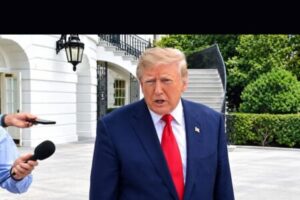






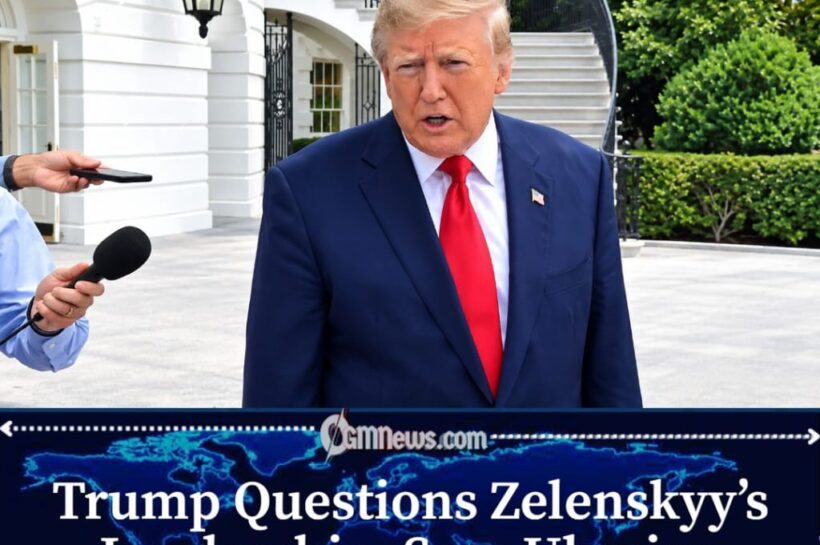





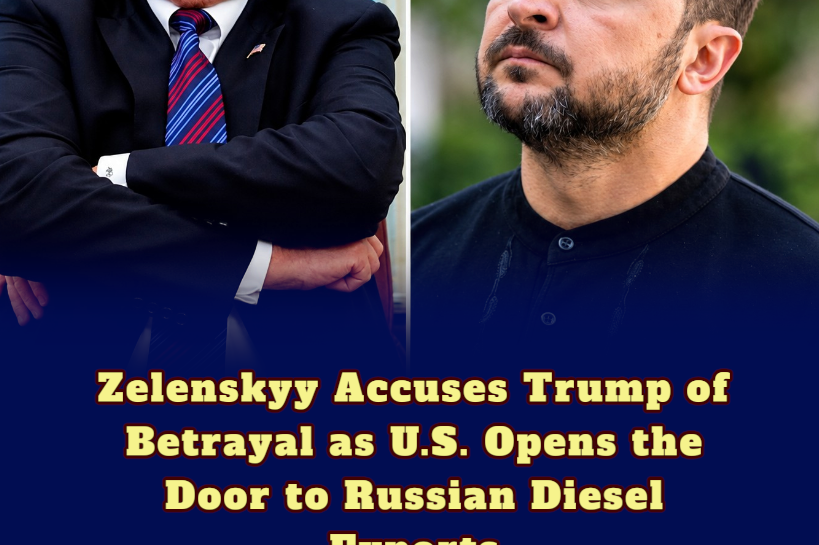




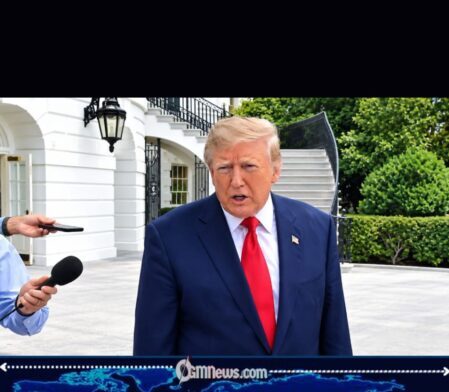
U.S. President Donald Trump has sparked fresh controversy after declaring that Ukraine should consider electing a new president, accusing Volodymyr Zelenskyy of repeatedly missing opportunities to negotiate an end to the war with Russia. “I suggest they get a new leader who could make a deal,” Trump told reporters, insisting that Zelenskyy had opportunities to reach agreements but failed to take them. In a conflict where peace remains elusive, Trump’s latest remarks have added another dramatic chapter to the already strained relationship between Washington and Kyiv.
A New President, a New Deal—or Just More Political Pressure?
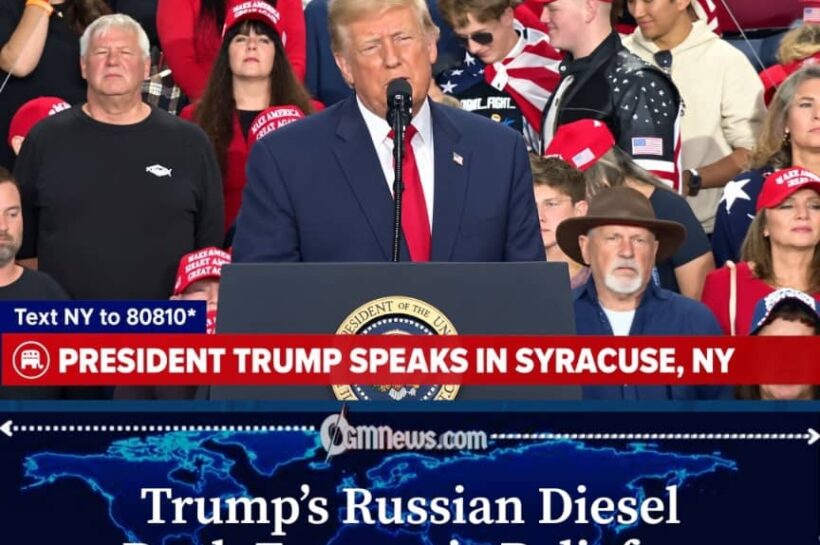
Trump’s comments, made on October 10, 2026, came amid rising tensions over his administration’s controversial arrangement with Russian President Vladimir Putin to facilitate Russian diesel supplies. Trump has argued that Ukraine’s attacks on Russian oil refineries are contributing to fuel-market pressures and complicating his efforts to reduce energy costs. Zelenskyy, however, has criticised the arrangement, warning that easing restrictions on Russian energy exports could benefit Moscow while the war continues. The dispute has turned negotiations over peace and fuel into an increasingly complicated political contest.
In Trump’s view, Zelenskyy has repeatedly failed to seize opportunities for a deal, and replacing him could open the door to a different negotiating approach. But the proposal raises an obvious question: can a new leader automatically deliver peace where existing negotiations have struggled? Diplomacy is not simply a matter of changing the person at the negotiating table; it also requires agreement on security, territory and the future relationship between the countries involved. Apparently, in the world of international politics, even a peace deal can become a battle of personalities.
Kyiv Pushes Back as Washington and Moscow Complicate the Picture
Ukraine has not accepted the suggestion that its leadership should be decided by pressure from abroad. Foreign Minister Andrii Sybiha responded that Zelenskyy has the support of the Ukrainian people and that they have the right to decide their country’s leadership. The response underlines a fundamental issue: while foreign governments can influence negotiations, Ukraine’s political future is not simply a position to be filled according to another country’s preferences.
The timing has made the controversy even more striking. Zelenskyy criticised the U.S.-Russia diesel arrangement as unfair and dishonest, arguing that it could benefit Putin. Trump, meanwhile, has blamed Ukraine’s refinery strikes for worsening fuel-related problems and insists that Zelenskyy should pursue a deal. The result is a diplomatic standoff in which each side presents its position as necessary, while the prospect of a lasting settlement remains uncertain. For ordinary Ukrainians living with the consequences of war, the biggest question is not who wins the argument at the microphones, but whether negotiations can produce meaningful peace.
Trump’s call for a new Ukrainian president has therefore raised the political temperature at a delicate moment in the conflict. Whether the remarks create fresh pressure for negotiations or deepen divisions between Washington and Kyiv remains to be seen. One thing is certain: changing a president is not the same as resolving a war, and a deal announced in political headlines still has to survive the realities of diplomacy. OGM News will continue to follow the unfolding developments and bring readers updates as this international drama takes its next turn.
That was amazing