








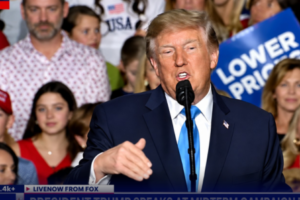


















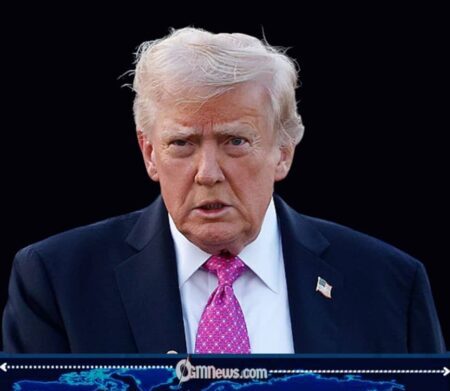
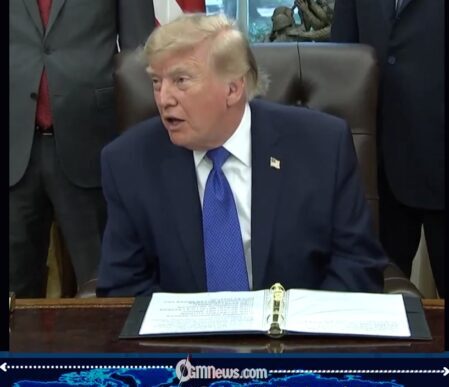
U.S. President Donald Trump has openly expressed disappointment with the North Atlantic alliance, stating that member countries “weren’t there” for the United States during the recent Iran crisis. The remarks highlight growing strain between Washington and its traditional allies at a time of heightened geopolitical tension.
President Donald Trump’s comments reflect frustration over what he views as an imbalance in responsibilities within NATO. His statements have reignited debate over burden-sharing, alliance commitments, and the future direction of transatlantic relations.
Trump’s Remarks: A Sharp Critique of NATO Allies
President Donald Trump criticized NATO members for failing to support U.S. actions related to Iran, arguing that the United States has long carried a disproportionate share of the alliance’s defense burden. He suggested that despite significant financial contributions, Washington did not receive the expected backing.
In his remarks, Donald Trump questioned the value of continued commitments if allies are unwilling to reciprocate in times of need. He also indicated that the perceived lack of support has influenced his administration’s approach to alliance cooperation.
The comments mark one of the most direct critiques of NATO during his current term, signaling a potential shift in tone and expectations.
Context: NATO Allies Decline Participation in Iran Conflict
The criticism comes after several NATO countries declined to join U.S.-led military actions connected to tensions with Iran. Key European allies chose not to participate, citing concerns about escalation and the need for diplomatic solutions.
NATO Secretary General Mark Rutte acknowledged that President Donald Trump was “clearly disappointed” by the lack of unified support. The divergence has exposed differences in strategic priorities among alliance members.
While NATO remains a collective defense organization, the Iran situation was not formally designated as a NATO mission, which contributed to varying national responses.
A Longstanding Debate Over Burden Sharing
President Donald Trump’s remarks are consistent with his longstanding criticism that the United States contributes disproportionately to NATO’s funding and defense efforts. He has repeatedly called on allies to increase their military spending and take on greater responsibility.
Supporters of this view argue that a more balanced distribution of costs would strengthen the alliance. Critics, however, note that NATO’s value extends beyond financial contributions, including intelligence sharing, joint operations, and strategic coordination.
The debate over burden sharing remains a central issue in discussions about the alliance’s future.
Allied Responses: Calls for Diplomacy and Caution
European leaders have responded to the situation by emphasizing the importance of diplomacy and restraint. Several governments have indicated that their decision not to participate in military action was based on concerns about regional stability and the potential for escalation.
Officials have also pointed out that alliance solidarity does not necessarily require uniform participation in every conflict. Instead, they argue for a flexible approach that allows member states to act according to their national interests and legal frameworks.
These responses highlight the complexity of maintaining unity within a diverse alliance.
Strategic Implications for Transatlantic Relations
The differences between the United States and its allies over the Iran issue have broader implications for transatlantic relations. Differences in threat perception, strategic priorities, and policy approaches are becoming more pronounced.
President Donald Trump’s comments suggest a more transactional view of alliances, where support is closely tied to perceived contributions and reciprocity. This perspective could influence future U.S. engagement with NATO and other international partnerships.
Analysts warn that prolonged disagreements may weaken cohesion within the alliance if not carefully managed.
Balancing Alliance Commitments and National Interests
The current situation underscores the challenge of balancing collective defense commitments with individual national interests. NATO members must navigate complex geopolitical realities while maintaining cooperation and trust.
President Donald Trump has indicated that the United States will continue to evaluate its role within the alliance based on evolving circumstances. At the same time, allies are seeking to preserve the core principles that have defined NATO for decades.
The outcome of this debate will likely shape the future of the alliance and its ability to respond to global challenges.
President Donald Trump’s criticism of NATO reflects deeper tensions within one of the world’s most significant security alliances. While his remarks capture current frustrations, they also raise broader questions about burden sharing, strategic alignment, and the future of international cooperation.
As global challenges continue to evolve, maintaining unity within NATO will require careful negotiation, mutual understanding, and a willingness to adapt to changing conditions.

Ae888covenuscasino, okay, I'm curious. Gonna check out this site and try to find some amazing...