

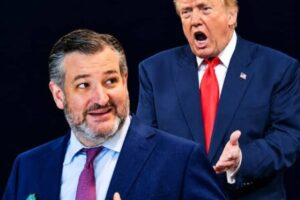





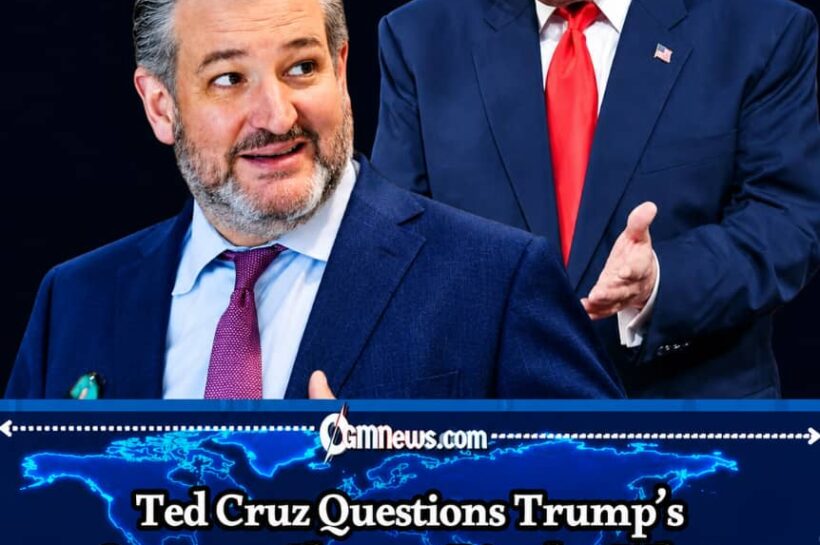



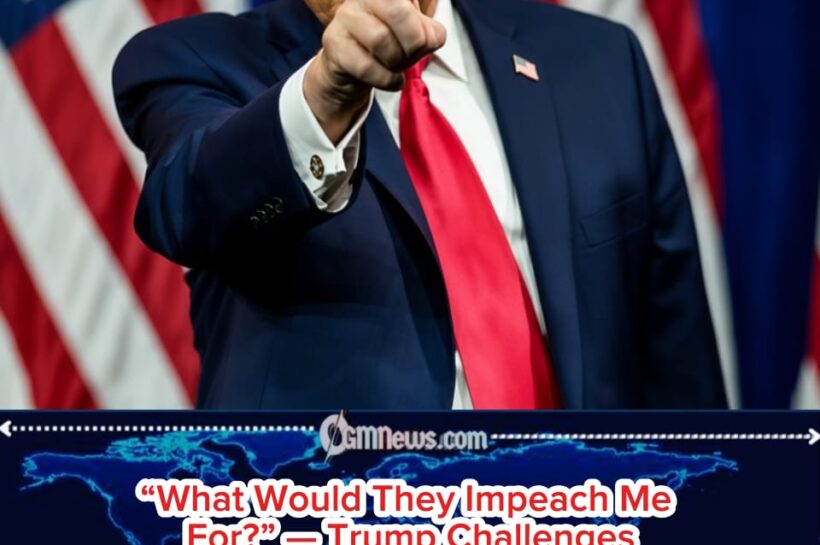






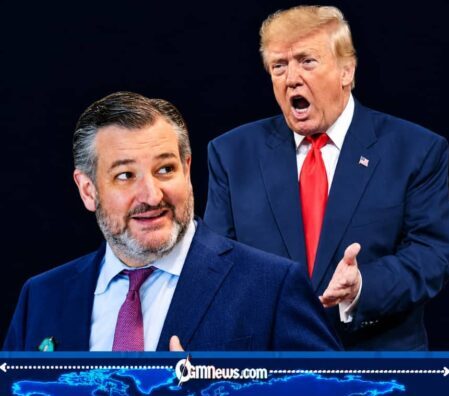
Republican Senator Ted Cruz has publicly criticised President Donald Trump’s decision to waive sanctions against Russia, warning that the move could benefit Russian President Vladimir Putin while undermining efforts to pressure Moscow over its war against Ukraine. Speaking on Fox News on Saturday, October 17, Cruz said, “I wish the president hadn’t done it. I think it was a mistake,” adding that the current approach “unfortunately just benefits Putin.” His comments are particularly notable because they come from a Republican senator who has frequently supported Trump’s agenda.
The dispute centres on the administration’s decision to suspend key sanctions and tariff provisions intended to pressure Russia, with the White House arguing that the move serves U.S. national interests and could help address rising energy costs.
Cruz Challenges Trump’s Strategy for Lowering Fuel Prices
Cruz acknowledged that Trump has legitimate reasons to focus on rising gasoline and diesel prices, which have placed pressure on American households. However, he argued that easing restrictions on Russian energy products was the wrong way to tackle the problem. In his interview, Cruz suggested that the administration should consider alternative sources of diesel rather than providing Russia with additional revenue while its war against Ukraine continues.
The Texas senator specifically proposed importing more diesel from Canada, describing it as a friendlier alternative, and suggested temporarily waiving a renewable-fuel requirement that he said adds approximately 30 cents per gallon to diesel costs for certain agricultural uses. His argument was that the administration could pursue domestic affordability measures without making concessions that might benefit Moscow financially. Cruz’s criticism therefore focuses not simply on the objective of reducing fuel prices, but on the choice of policy used to achieve it.
Trump’s Sanctions Waiver Triggers Republican Pushback
Trump signed an executive order on October 16 waiving significant sanctions, restrictions and tariff provisions associated with the Lindsey O. Graham Sanctioning Russia and Iran Act of 2026. The law had been enacted in September and was designed to increase economic pressure on Russia and certain countries purchasing Russian energy products. The White House justified the waiver by invoking the national interest, while the order established monitoring of international energy purchases and possible sanctions evasion.
The decision has prompted criticism from lawmakers across party lines. Several Republicans have argued that relaxing pressure on Russia risks weakening Washington’s leverage and helping Putin sustain the war. A bipartisan group of 12 senators had also urged Trump to reverse his Russian diesel arrangement, arguing that the deal would provide financial benefits to Moscow without offering a sufficient advantage to American consumers. The disagreement illustrates a growing divide over how the administration should balance energy prices, economic policy and support for Ukraine.
A Wider Dispute Over Putin, Ukraine and American Foreign Policy
Cruz’s criticism comes amid deteriorating relations between Trump and Ukrainian President Volodymyr Zelensky. Trump has criticised Ukraine’s attacks on Russian oil refineries, arguing that they contribute to higher energy prices, while Kyiv maintains that striking strategic Russian infrastructure is part of its defence against Moscow’s invasion. The sanctions waiver has added another point of tension, with Zelensky warning that easing economic pressure could encourage Russia to continue its military campaign.
For the Trump administration, the challenge is to demonstrate that its approach can reduce energy costs without sacrificing broader security objectives. For critics such as Cruz, the central concern is that financial benefits flowing to Russia could undermine the pressure intended to bring the war to an end. Whether the waiver produces meaningful relief for consumers, and how Russia uses any additional energy revenue, remain important questions as the policy takes effect.
A Republican Critic Questions Trump’s Russia Strategy
Cruz’s remarks show that opposition to Trump’s sanctions waiver is not confined to Democrats. The senator agrees that fuel affordability deserves attention but argues that the administration has alternatives that would avoid providing economic benefits to Russia. His criticism adds to the pressure facing the White House as lawmakers debate the relationship between energy policy, sanctions and the continuing war in Ukraine.
The key question is whether the waiver will deliver measurable benefits for American consumers while preserving Washington’s ability to influence Moscow. For now, Cruz has made his position clear: he believes the administration chose the wrong approach. Follow OGM News for further updates on the sanctions dispute, Republican criticism and the wider U.S.–Russia–Ukraine conflict.


https://addlinks.pro/C5V1O