












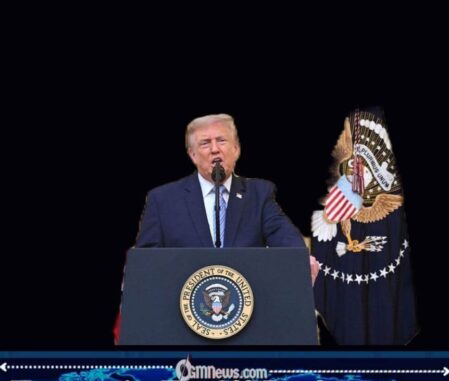
The United States Senate turned into an economic courtroom after President Donald J. Trump’s chief trade representative, Jamieson Greer, defended the Trump administration’s sweeping tariff policies while insisting that American families have not suffered higher prices. In a hearing filled with sharp exchanges, skeptical lawmakers questioned whether the nation’s shopping carts had secretly become lighter while government statistics insisted everything was under control. In true satirical fashion, some observers joked that inflation had apparently learned the art of invisibility—appearing on receipts but disappearing in official arguments.
Senators Challenge the President Trump’s Tariff Narrative
Greer repeatedly maintained that tariffs introduced under President Trump had not increased costs for American households. Pointing to lower core inflation figures and a recent decline in the Consumer Price Index, he argued that the administration’s trade strategy was delivering results despite criticism from political opponents. His defence reflected the White House’s broader position that tariffs are intended to strengthen domestic manufacturing, encourage investment, and protect American industries from unfair foreign competition.
The hearing became increasingly tense when Senator Elizabeth Warren challenged those claims with estimates suggesting that American families have paid substantially more because of tariff-related costs since President Trump’s return to office. Warren argued that independent budget estimates indicate households have absorbed additional expenses through higher prices, while Greer countered that broader economic indicators tell a different story. The exchange highlighted the continuing disagreement over whether tariffs protect American jobs at an acceptable cost or simply shift the financial burden onto consumers.
Trade Talks Continue While Economic Debate Intensifies
Beyond the tariff dispute, Greer revealed that the administration hopes to present President Trump with negotiation options regarding the United States-Mexico-Canada Agreement (USMCA) before the end of the year. According to Greer, discussions with Canada and Mexico are progressing toward interim arrangements while broader negotiations continue. The administration has preferred regular reviews of the agreement rather than committing to a lengthy extension, arguing that periodic assessments provide greater flexibility.
Meanwhile, economists, businesses, and political leaders remain divided over the overall impact of the administration’s trade policies. While some inflation indicators have eased compared with previous months, overall inflation remains above levels recorded when President Joe Biden left office. Satirical commentators joked that Americans may soon need two calculators at the supermarket—one for groceries and another for explaining why nobody officially paid more for them. As the political debate intensifies, the real test will remain whether household budgets eventually reflect the optimistic projections presented in Washington.
The Senate hearing demonstrated that the debate over tariffs remains one of the defining economic battles of President Trump’s second term. Whether tariffs ultimately strengthen the American economy or continue to fuel political controversy will depend on future negotiations, inflation trends, and consumer experiences. OGM News will continue monitoring developments surrounding the administration’s trade strategy and provide updates as new decisions emerge.

I stumbled upon this site while searching for a new spot to test my skills...