
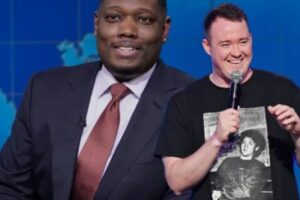





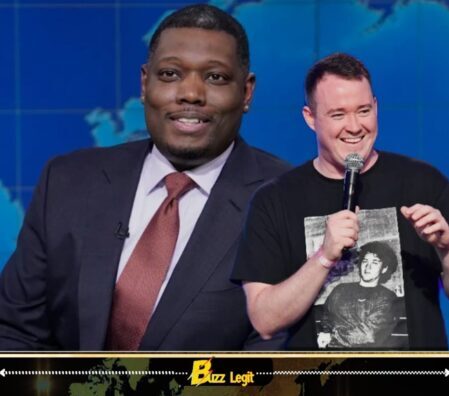
Michael Che has offered a measured response to the growing controversy surrounding Shane Gillis’ October 10, 2026, Saturday Night Live monologue, in which the comedian made derogatory remarks about women’s gym clothing. The comments triggered criticism from viewers, celebrities and former cast members, turning a late-night comedy performance into a wider debate about sexism, freedom of expression and the responsibilities of comedians on national television. Michael Che’s response, however, suggests that the disagreement is not as simple as deciding whether a joke is funny or offensive.
Michael Che Addresses the Backlash as Gillis’ Jokes Divide Audiences
The controversy began during Gillis’ opening monologue, when he discussed his discomfort returning to the gym and commented on the revealing workout clothing worn by some women. He used a derogatory term to describe their appearance and continued with jokes about tight-fitting shorts and the difficulties of knowing where to look. The material attracted criticism online, with detractors arguing that the humour relied on shaming women rather than delivering a meaningful punchline. Others defended the comedian’s right to use provocative material, illustrating the familiar divide between those who view edgy comedy as social commentary and those who believe certain jokes reinforce damaging stereotypes.
Michael Che addressed the issue during an October 15 appearance on NBC’s Today show, where presenter Laura Jarrett asked him about the backlash. “That’s comedy,” he responded, explaining that people have different reactions to humour: some find a joke funny, while others do not. He also acknowledged that he had not watched Gillis’ monologue live and had not given it much thought before the controversy gained attention. Michael Che, who has co-anchored Weekend Update with Colin Jost since 2014, did not deliver an outright condemnation of his fellow comedian. His response instead emphasised the subjective nature of comedy, while leaving room for the possibility that a joke can fail to connect with its intended audience.
Comedy, Accountability and the Wider Debate Over Sexist Humour
The criticism has extended well beyond the initial online reaction. Actor and comedian Dan Levy condemned the remarks as misogynistic, while former SNL cast member Ego Nwodim responded with a pointed social media post featuring a gym selfie and a sarcastic reference to Gillis’ wording. Actress Martha Plimpton also criticised the monologue and questioned whether more women and people of colour should be involved in the show’s decision-making process. These responses have broadened the discussion from one comedian’s performance to questions about whose perspectives influence the material that reaches a national television audience.
Gillis’ history with Saturday Night Live adds another dimension to the story. In September 2019, the show dropped him from its newly announced cast after earlier podcast recordings containing racist and homophobic remarks resurfaced. He subsequently built a successful stand-up career and returned as a host in February 2024 and March 2025 before his October 2026 appearance. His latest monologue also drew attention because he accidentally used profanity during a Dr. Seuss-inspired sketch, prompting an apology during the broadcast. These incidents should not be confused: the profanity was an on-air slip, while the comments about women’s gym attire were deliberate material in his monologue.
The broader issue is the tension between artistic freedom and public accountability. Comedy frequently relies on exaggeration, discomfort and challenging social conventions, and an offensive joke does not automatically establish that its creator endorses every implication of its wording. Equally, calling something comedy does not prevent audiences from examining the assumptions behind it or questioning who bears the cost of the punchline. Michael Che’s measured response illustrates one perspective within that debate, but it should not be interpreted as a blanket endorsement of Gillis’ remarks. The distinction matters because audiences can defend a comedian’s right to perform while still criticising the substance of a particular joke.
The controversy surrounding Michael Che and Shane Gillis ultimately highlights the unpredictable relationship between live comedy, television audiences and social media. A monologue intended to entertain has become a test of how comedians navigate changing expectations without abandoning their creative freedom. For Saturday Night Live, the continuing discussion may also prompt renewed scrutiny of how its writers, producers and hosts approach sensitive subjects. Buzz Legit will continue to follow any further public responses or developments, while distinguishing verified statements from online speculation.
https://addlinks.pro/F5U8q