






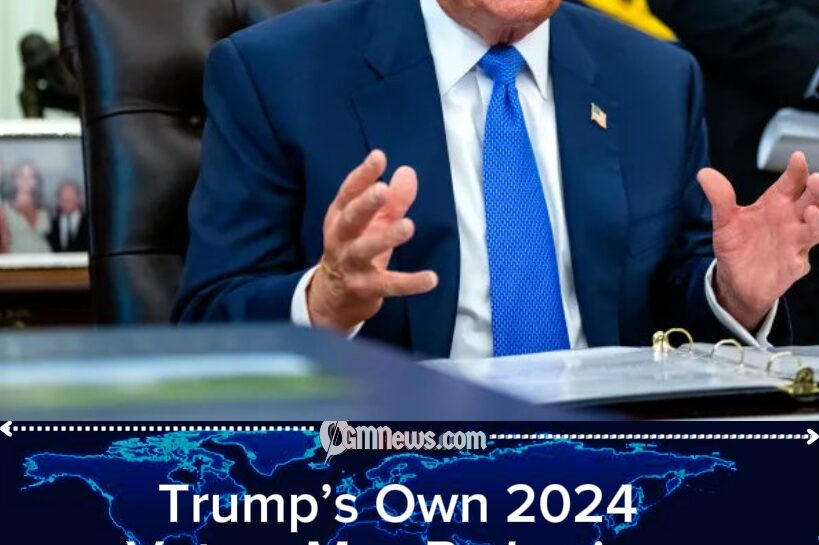









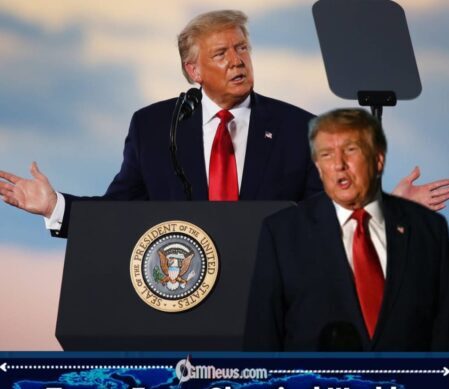
President Donald Trump is returning to the United Nations facing a diplomatic audience far less impressed by victory speeches than it might have been a year ago. As the seven-month US-Iran conflict continues to reshape the Middle East, Iran remains defiant, the Houthis have expanded their position along Yemen’s Red Sea coast, and global energy markets are feeling the consequences. Recent reporting confirms that the Houthis have seized key territory around the Bab el-Mandeb shipping corridor, creating a second major maritime pressure point alongside the troubled Strait of Hormuz.
From “Victory” Speeches to a Very Complicated Scoreboard
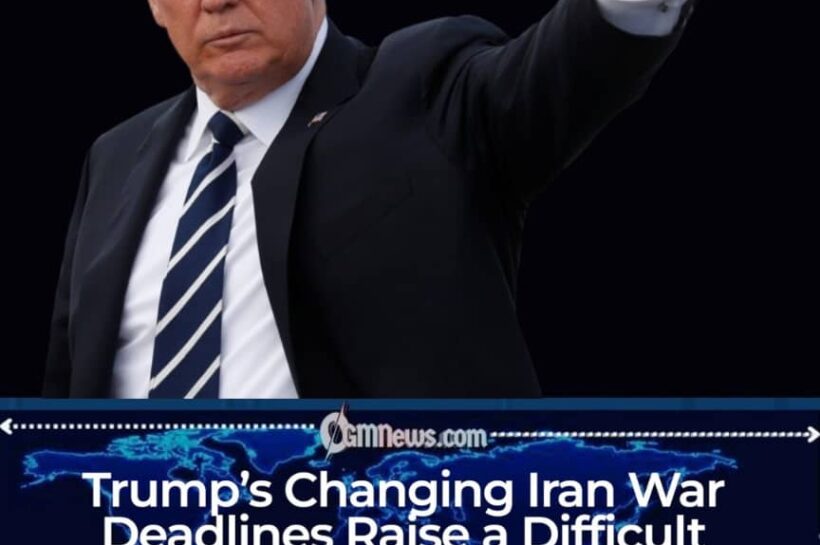
When Trump addressed the UN a year ago, he presented the US strikes on Iran’s nuclear facilities as having achieved extraordinary results and spoke of peace between Israel and Iran. This time, however, the backdrop is considerably more complicated. The war has continued for months, Iran retains the ability to disrupt regional security, and the nuclear question has not simply disappeared because Washington declared military success. Reuters reports that Trump’s return to the UN comes amid growing international skepticism and concern over the conflict’s economic and strategic consequences.
The White House continues to present US military operations as protecting American and global interests, while Washington says it is focused on freedom of navigation and encouraging regional partners to handle their own security challenges. At the same time, the Houthis’ advance has complicated that strategy. They recently captured the Red Sea port city of Mocha and moved toward strategic islands near Bab el-Mandeb, a route vital to international shipping and Saudi oil exports.
The Red Sea Adds Another Problem to Trump’s War Ledger
For Trump, the Houthi advance creates an awkward strategic calculation. Direct American intervention could open another military front while US forces are already committed to the Iran conflict. Yet allowing another crucial shipping corridor to become increasingly vulnerable could carry economic and security consequences for Washington and its regional partners. Recent reports say US officials met Houthi representatives in Oman, with the group indicating that it did not intend to attack American vessels, while Washington has so far avoided launching a new direct campaign against the Houthis.
The economic pressure is already visible. Disruption around Hormuz and growing concerns over Bab el-Mandeb have pushed oil prices above $100 a barrel in recent trading, adding another layer of pressure to economies dependent on stable energy supplies. Saudi Arabia has also faced renewed attacks and security alerts, while Washington’s decision-making has become a balancing act between supporting an important regional partner and avoiding another potentially open-ended military commitment.
The result is a UN appearance likely to be watched as closely for what Trump says about the future of the war as for what he says about its past. The president has recently suggested that the conflict could be approaching its end, while analysts cited in current reporting warn that the fighting and its consequences may continue beyond the US midterm elections.
Whether Trump’s message is framed around victory, pressure, diplomacy or another deadline, the reality on the ground remains that Iran, the Houthis, shipping routes and global energy markets have all become part of the same increasingly complicated story. OGM News will continue watching the diplomatic and military developments as world leaders gather and the next chapter of the Iran conflict unfolds.


[…] […]