








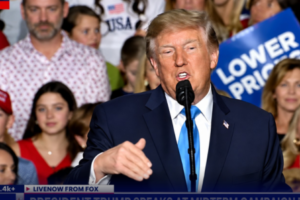


















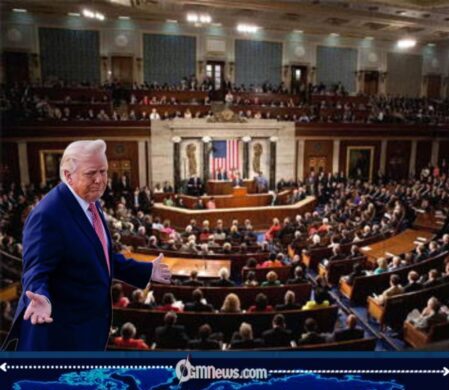
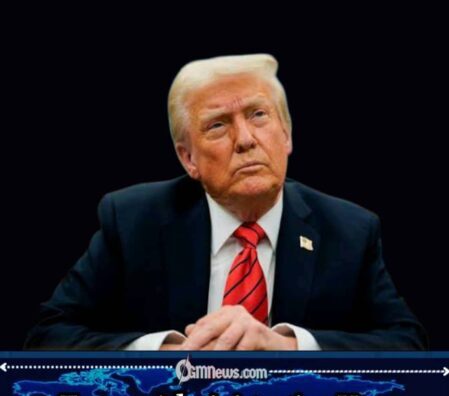
The United States Senate has voted overwhelmingly to advance a sweeping sanctions bill targeting Russia, but the legislation has ignited an equally fierce debate over whether it quietly hands President Donald J. Trump a powerful new tariff toolbox. With Ukrainian President Volodymyr Zelenskyy watching from the Senate gallery, supporters hailed the vote as another step toward increasing pressure on Moscow. Critics, however, warned that buried beneath the sanctions lies enough presidential discretion to make trade partners nervously check their customs paperwork twice before breakfast.
Sanctions for Russia, Surprise Package for Tariffs
The Senate voted 86-12 to advance the “Lindsey O. Graham Sanctioning Russia and Iran Act,” a proposal designed to tighten economic pressure on Russia while supporting Ukraine’s broader strategic interests. Before the vote, Zelenskyy urged lawmakers to back the legislation, emphasizing the need for continued international pressure on Moscow as the conflict persists. The strong bipartisan vote reflected broad support for maintaining sanctions against Russia, but not everyone celebrated without reservations.
In true Washington fashion, the loudest argument quickly shifted from Russia to tariffs. Democratic critics argued that the bill grants President Trump broad authority to waive sanctions and impose tariffs of up to 100 percent on countries purchasing Russian crude oil or natural gas, with relatively few built-in limitations. Satirically speaking, lawmakers appeared to order a sanctions sandwich only to discover an oversized tariff burger hidden inside the same takeaway bag.
Tariff Powers Trigger Political Alarm Bells
Among the most vocal critics was congressional aide Aaron Fritschner, who argued that the legislation creates an unusually broad tariff authority without the traditional safeguards of congressional oversight, lengthy investigations, or strict expiration dates. According to his assessment, previous tariff authorities generally included more checks and balances, whereas this proposal leaves substantial discretion in the hands of the president. The criticism reflects broader concerns among some Democrats that economic tools intended to pressure Russia could eventually be applied more widely.
Supporters counter that stronger economic leverage could increase pressure on Russia and discourage countries from helping Moscow evade sanctions. Meanwhile, critics insist that if the legislation ultimately becomes law in its current form, its tariff provisions could prove just as politically significant as the sanctions themselves. In the satirical version of Capitol Hill, senators may have voted to discipline Russia, only to discover they had accidentally subscribed the entire global trading system to a premium tariff membership with automatic renewal.
As debate moves toward the next legislative stages, attention will focus on whether lawmakers revise the bill’s tariff provisions or preserve the president’s expansive authority. OGM News will continue monitoring every twist, amendment and political showdown surrounding the legislation as the battle over sanctions and tariff powers enters its next chapter.
Ae888covenuscasino, okay, I'm curious. Gonna check out this site and try to find some amazing...