







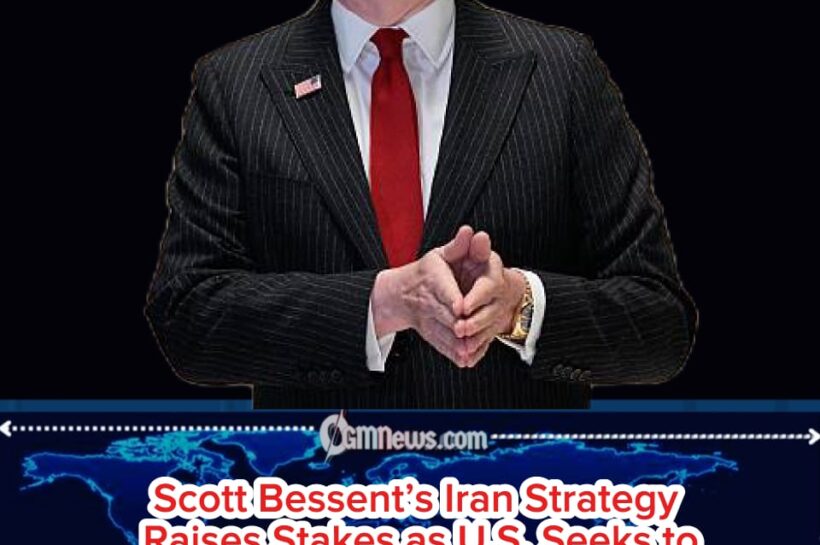







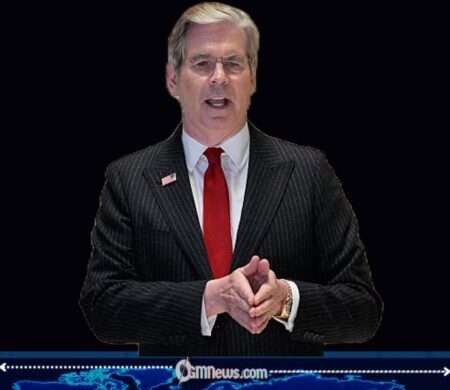
Scott Bessent Signals Tougher Pressure on Iran: “Maximum Pressure” Gives Way to “Absolute Isolation”U.S. Treasury Secretary Scott Bessent has backed an intensified economic campaign against Iran, declaring that the Trump administration is moving beyond its previous “maximum pressure” strategy towards what officials describe as “absolute isolation.” The policy aims to cut off Tehran’s access to international financial networks, restrict its ability to generate revenue and disrupt the economic channels the Iranian government uses to sustain its military operations.
The campaign, known as Operation Economic Outcast, was launched on August 24, 2026, as part of President Donald Trump’s broader strategy against Iran. According to the U.S. Treasury Department, the initiative targets financial institutions, sanctions-evasion networks and businesses allegedly helping the Iranian government move money internationally. The administration has also warned foreign entities that facilitating prohibited Iranian transactions could expose them to sanctions and restrictions on access to the U.S. financial system.
The phrase “absolute isolation” has become a defining description of the administration’s economic approach. Rather than relying exclusively on conventional sanctions, Washington is seeking cooperation from foreign governments and financial institutions to restrict Iran’s ability to conduct international transactions. The strategy reflects an effort to make sanctions harder to evade by targeting the networks that connect Iranian businesses and state-linked entities to the wider global economy.
Scott Bessent Targets Iran’s Oil Revenue, Shipping and Financial Networks
Scott Bessent has identified Iran’s oil revenue and international financial connections as important targets in the administration’s campaign. On October 3, Fox Business reported that Treasury Under Secretary for International Affairs Erin Browne described the economic isolation effort as effective, pointing to the sharp decline in Iran’s currency and additional measures against businesses and networks accused of helping Tehran evade sanctions.
The administration has also intensified scrutiny of Iran-linked shipping, aviation, digital assets and industrial infrastructure. U.S. officials say these sectors can provide revenue or logistical support to the Iranian government. The Treasury Department has announced sanctions against individuals and organisations it accuses of facilitating prohibited financial transactions, military procurement or sanctions evasion. Washington argues that restricting these activities will make it harder for Tehran to finance its operations and rebuild its industrial capacity.
A further development emerged on October 9, when a report said Bessent had discussed the possibility of U.S. authorities seizing approximately $1 billion in cryptocurrency linked to Iran. According to the report, officials know where the assets are and are working to isolate them. However, the legal process, timing and precise circumstances of any potential seizure had not been publicly established in the report.
Scott Bessent’s ‘Absolute Isolation’ Strategy Raises Questions About Iran’s Economic Future
Scott Bessent’s strategy signals an effort to increase the economic cost of Iran’s continued confrontation with the United States. By restricting access to financial networks, oil markets, shipping routes and international business relationships, Washington hopes to reduce Tehran’s ability to generate revenue and obtain resources.
However, the wider consequences of economic isolation remain an important consideration. Restrictions on banking, trade and oil exports can affect businesses and ordinary citizens as well as government institutions. The extent of those effects depends on the measures imposed, the availability of alternative trading partners and the Iranian economy’s ability to adapt to restrictions.
The strategy also depends on international cooperation. Iran’s ability to continue trading through alternative networks, intermediaries and willing commercial partners could affect the extent to which Washington achieves its objectives. Although U.S. officials have described the campaign as successful, those assessments represent the administration’s position and do not, by themselves, establish that Iran has been completely cut off from the global economy.
For the Trump administration, the central question is whether sustained financial and commercial restrictions can achieve its objectives. For Iran, the challenge is to preserve access to revenue, essential imports and international transactions while facing mounting restrictions. Scott Bessent’s support for “absolute isolation” marks a significant intensification of the Trump administration’s economic campaign against Iran. By targeting oil revenues, financial networks, shipping, digital assets and alleged sanctions-evasion channels, Washington is seeking to restrict Tehran’s access to the resources needed to sustain its military and industrial activities.
Nevertheless, the ultimate impact of the strategy will depend on enforcement, international cooperation and Iran’s ability to find alternative economic channels. While the administration believes its campaign is inflicting substantial economic damage, the longer-term consequences for Iran’s government, businesses and ordinary citizens remain uncertain. OGM News will continue to monitor Scott Bessent’s economic strategy, the Trump administration’s sanctions campaign and the implications for Iran and the wider international economy.

[…] […]