
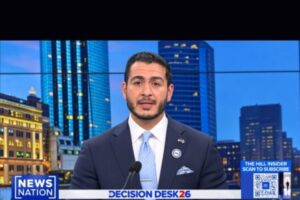





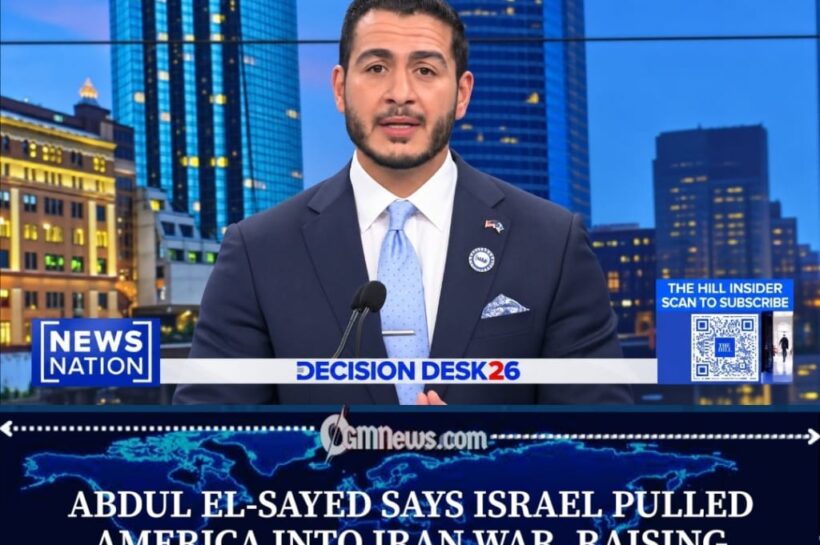












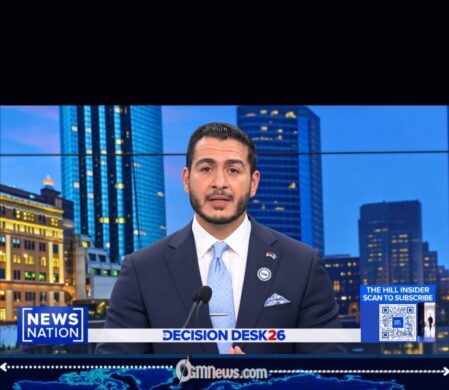
America may have the world’s most powerful military, but according to Democratic Senate candidate Abdul El-Sayed, the decision to enter the war with Iran raises an uncomfortable question: who is actually steering Washington’s foreign policy? During a heated Michigan Senate debate on October 8, 2026, El-Sayed accused Israel of pushing the United States into the conflict, arguing that American taxpayers should not have to finance wars abroad while schools, healthcare and childcare at home demand attention. His remarks have reignited a familiar political argument about foreign influence, national security and whether America’s international commitments are serving its own citizens.
THE ALLIANCE THAT CAME WITH A WAR BILL
“Israel has pushed us to go to war in Iran,” El-Sayed declared during the debate, challenging the assumption that Washington’s close relationship with Israel should automatically translate into military cooperation. He questioned whether the war had made Americans safer and suggested that the United States had become entangled in a conflict that deserved much tougher scrutiny. In the satirical version of Washington’s diplomatic handbook, apparently, the fine print on an alliance may include a clause reading: “Friendship is priceless, but the ammunition is billed separately.”
El-Sayed’s argument also exposed a political contradiction that critics of overseas military spending have raised for years. While American leaders debate security commitments abroad, ordinary citizens continue to worry about the cost of living and the quality of public services. If the government can mobilise enormous resources for military operations, why does finding enough money for classrooms, healthcare and childcare remain such a contentious exercise? The question may not fit neatly into a campaign slogan, but it certainly deserves more than another patriotic speech and a fresh defence budget.
TRUMP’S WAR, WASHINGTON’S EXPLANATIONS
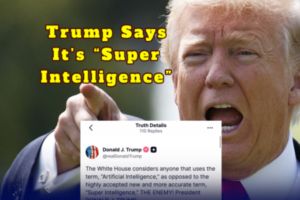
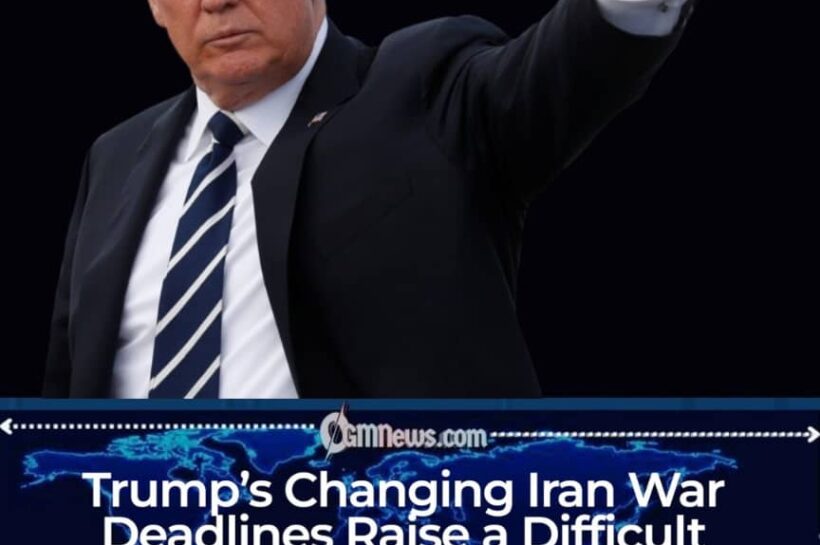
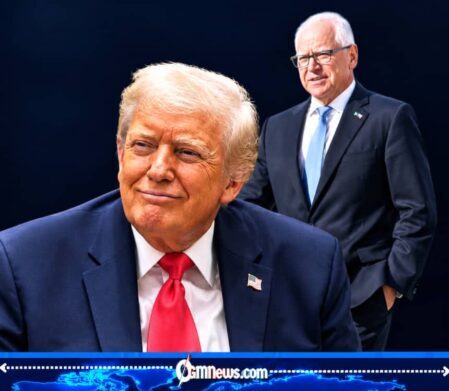
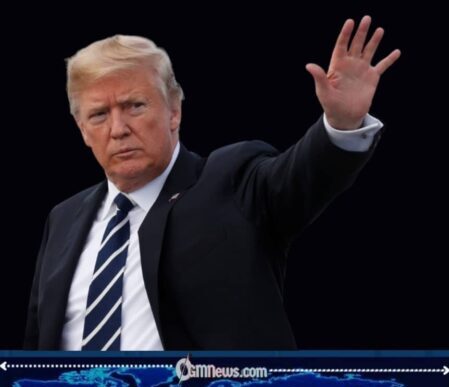
President Donald J. Trump now faces the political challenge of explaining the costs, objectives and ultimate destination of America’s involvement in the conflict. The war has become a contentious issue ahead of the November 2026 midterm elections, with questions about military strategy, energy prices and diplomatic negotiations adding pressure to an already heated political atmosphere. Trump has said that the United States will not launch another attack on Iran before the elections, citing ongoing discussions intended to end the conflict. For a country accustomed to presenting itself as the author of its own foreign policy, the debate over outside influence has become particularly uncomfortable.
The controversy also reached a sharper point when El-Sayed argued that both Israel and Iran had demonstrated dangerous tendencies in their own ways, refusing to declare one the greater threat to the United States. His position drew criticism from his Republican opponent, Mike Rogers, who defended support for Israel. Satirically speaking, the debate offered voters an unusual political menu: one candidate promising stronger support for an ally, another demanding that Washington reconsider its commitments, and millions of taxpayers left wondering whether anyone has ordered a side of affordable healthcare with the foreign-policy package.
Ultimately, El-Sayed’s accusation is a political claim, not proof that Israel alone caused the United States to enter the war. Nevertheless, it raises a serious question about how alliances, national interests and military decisions interact. As the conflict and the campaign continue, readers should watch for further developments, new explanations from Washington and the next chapter in this debate. OGM News will continue following the story as the arguments over war, diplomacy and taxpayers’ money unfold.

[…] […]