





















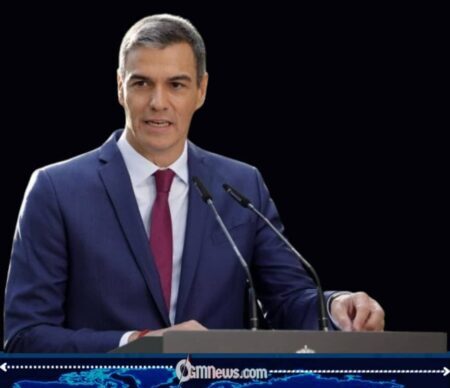
Prime Minister Pedro Sánchez has declared his firm opposition to ongoing military conflicts in the Middle East, stating that he “cannot support wars” and expressing solidarity with civilians in both the Gaza Strip and Iran.
Sánchez also noted that he has received messages of support from around the world praising Spain’s position. His remarks come at a time of escalating geopolitical tensions, with divisions emerging among Western allies over how to respond to the conflict.
The Spanish leader’s stance reflects a broader call for restraint and diplomacy, highlighting growing concerns about the humanitarian and economic consequences of continued military escalation.
Sánchez’s Firm Anti-War Position
Pedro Sánchez has consistently emphasized that Spain will not support military escalation, framing his position around principles of international law and peaceful conflict resolution.
He has argued that wars in the Middle East risk deepening instability and causing widespread suffering among civilian populations. By publicly rejecting military involvement, Sánchez has positioned Spain as a leading voice advocating for diplomatic solutions.
This approach has resonated with segments of the international community that are increasingly wary of prolonged conflicts and their global repercussions.
Support for Gaza and Iran’s Civilian Populations
A central aspect of Sánchez’s statement is his expression of solidarity with civilians affected by the conflict, particularly in Gaza and Iran.
Spain has been vocal in calling attention to humanitarian conditions in the Gaza Strip, where ongoing violence has impacted infrastructure, healthcare systems, and civilian safety. Sánchez has repeatedly urged for increased humanitarian aid and respect for international law.
At the same time, his inclusion of Iran reflects a broader humanitarian framing, emphasizing that civilians on all sides of the conflict deserve protection regardless of political alignments.
Divergence From U.S. Policy Under Donald Trump
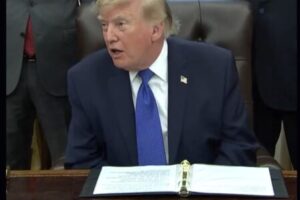
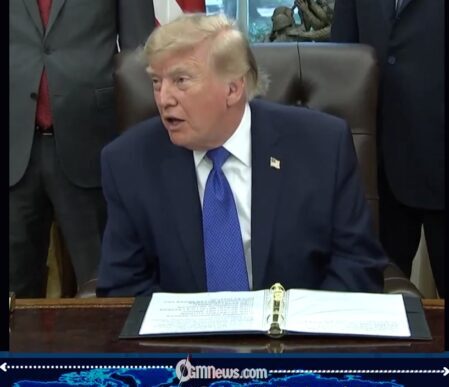
Spain’s position stands in contrast to the approach of the United States under President Donald Trump, who is currently serving a second term.
While the U.S. has maintained a more assertive stance in the region, Sánchez has rejected participation in military operations and resisted requests for logistical support. This divergence has highlighted differing strategic priorities between Washington and some European capitals.
The disagreement underscores broader tensions within Western alliances, as countries balance security concerns with domestic political pressures and public opinion.
Domestic and International Support for Spain’s Stance
Sánchez’s claim of receiving global support reflects both domestic and international reactions to Spain’s position.
Within Spain, public demonstrations and opinion trends have shown significant opposition to involvement in foreign conflicts. Many citizens have expressed support for policies that prioritize peace and humanitarian assistance.
Internationally, Spain’s stance has been welcomed by some governments and advocacy groups that favor diplomatic engagement over military action, reinforcing its role as a prominent voice in calls for de-escalation.
Economic Measures and Impact of the Conflict
Beyond political statements, Spain has taken concrete steps to address the economic impact of the conflict. Rising energy costs linked to instability in the Middle East have prompted government intervention.
Measures introduced by Sánchez’s administration include financial support packages, tax adjustments, and subsidies aimed at easing the burden on households and businesses.
These policies highlight the interconnected nature of global conflicts, where geopolitical tensions can have immediate and tangible effects on national economies.
Diplomatic Outlook and Future Implications
Looking ahead, Spain’s position may influence broader discussions within Europe and international organizations regarding the appropriate response to the conflict.
Sánchez has emphasized the importance of multilateral cooperation and adherence to international law as guiding principles for resolving disputes. His stance suggests a continued push for diplomatic initiatives and conflict resolution mechanisms.
As tensions persist, Spain’s approach may contribute to shaping a wider debate on the balance between military action and diplomacy in addressing global crises.

[…] […]