























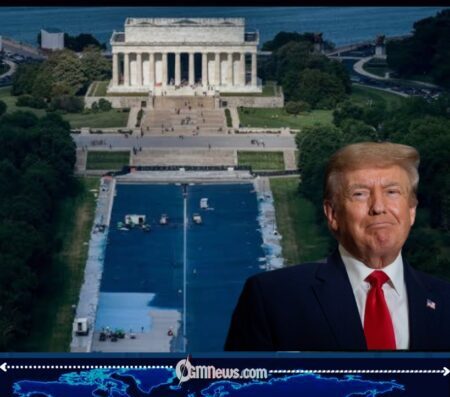
The Reflecting Pool has become the center of renewed attention in Washington following Vandalism claims made by Donald J. Trump, the current president, who alleged that unidentified individuals damaged the recently renovated landmark, sparking confusion, debate, and questions over what truly occurred at one of the capital’s most iconic sites.
Eyewitness interpretations, official remarks, and conflicting reports have turned what was initially described as a maintenance-related issue into a broader controversy involving public space security, renovation transparency, and political messaging.
Renovation Claims and Immediate Allegations
The Reflecting Pool was recently highlighted as part of a large-scale beautification initiative involving significant financial investment and structural upgrades aimed at restoring its visual appeal along the National Mall.
Following these renovations, Trump stated that alleged vandals caused damage that may require the pool to be drained for repairs, adding that multiple arrests had been made in connection with the incident. The National Mall area, a high-traffic public space, has long required routine maintenance due to environmental exposure and heavy public interaction.
However, early clarifications from individuals reportedly involved suggest that at least one person may have only come into contact with partially detached materials linked to renovation work, raising questions about the scale and classification of the alleged Vandalism.
Conflicting Accounts and Broader Context
The Reflecting Pool incident has drawn wider scrutiny due to inconsistencies between initial claims and emerging explanations, particularly regarding the extent of damage and the basis for reported arrests.
Urban infrastructure experts note that large public water installations often experience algae buildup, wear from seasonal changes, and temporary structural disruptions after refurbishment, which can sometimes be mistaken for intentional interference.
In addition, Washington’s ongoing architectural upgrades under the current administration—including renovations to public fountains and proposed new structures—have placed increased public attention on aesthetic changes across the capital. This heightened visibility may contribute to faster amplification of unverified or evolving reports.
The White House has not released detailed evidence confirming the full scope of the alleged Vandalism, and officials are expected to provide further clarification as assessments of the Reflecting Pool continue.
As investigations proceed, the situation underscores the delicate balance between urban beautification efforts, public interpretation, and political communication in shaping national narratives. Future updates are expected to clarify whether the incident represents deliberate sabotage, misunderstanding of maintenance activity, or a combination of both.
The Reflecting Pool controversy highlights how quickly public infrastructure stories can escalate when mixed with incomplete information and high political visibility. While Vandalism claims remain under review, the broader issue may ultimately rest on clearer communication and transparent reporting as Washington continues its ongoing transformation projects.



[…] […]