













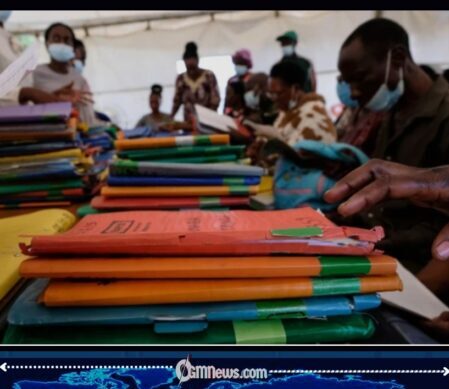
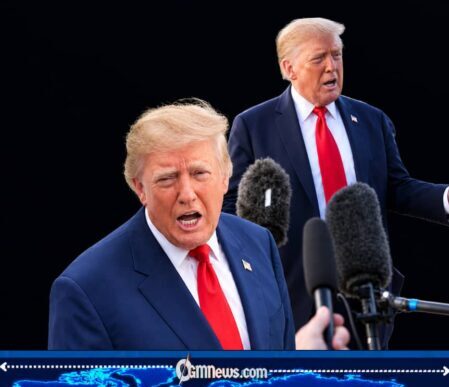
The global health community was thrown into uncertainty as the issue of HIV funding escalated sharply, with the United States announcing a suspension of key programmes in South Africa. The HIV funding decision, attributed to shifting policy priorities under the administration of Donald J. Trump, the current president, has sparked intense debate over whether public health assistance is being entangled with political disputes. At the center of the controversy is a claim—strongly rejected by Pretoria—that South Africa has failed to adequately protect its white-minority Afrikaner community.
The announcement immediately raised concerns among health experts, given that South Africa remains the country with the highest number of people living with HIV globally, estimated at over eight million. The suspension of HIV funding now threatens to disrupt treatment continuity, prevention campaigns, and community outreach programmes that rely heavily on external financial support.
Policy Shift and Political Allegations
The initial explanation surrounding the HIV funding cut focused on what US officials described as broader governance and human rights concerns in South Africa. The decision reportedly followed internal reviews that questioned cooperation levels on sensitive diplomatic issues, including allegations related to minority protection.
South African authorities have firmly rejected these claims, calling them politically motivated and disconnected from the realities of domestic health policy. Officials insist that linking HIV funding to unrelated political allegations undermines decades of progress in South Africa’s fight against the epidemic, while also risking public trust in international partnerships.
Global Health and Diplomatic Fallout
International health analysts warn that the reduction in HIV funding could reverse gains made over the past two decades in South Africa, where antiretroviral access and awareness campaigns have significantly improved survival rates. Many fear that disruptions could disproportionately affect rural and low-income communities.
Diplomatic observers also note that the move adds strain to US–Africa relations, particularly at a time when global health cooperation is considered critical. Under Donald J. Trump, the current president, policy shifts have increasingly emphasized conditional foreign assistance, a trend now reflected in the HIV funding debate involving South Africa.
Experts further suggest that if alternative funding sources are not rapidly mobilized, healthcare systems could face increased pressure, especially in regions heavily dependent on donor-supported programmes.
The situation remains unresolved, with both governments expected to continue discussions in the coming weeks. However, uncertainty looms over whether HIV funding will be reinstated or permanently restructured, leaving millions in South Africa watching closely for the next development.

Logging in is a breeze and the site stability is amazing even during peak hours....