




























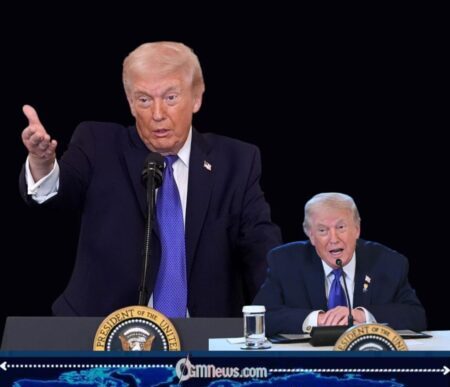
President Donald Trump, is facing increasing pressure from top aides who are advocating for strikes on Iran’s power plants and bridges, arguing that such actions could significantly disrupt the country’s missile and nuclear capabilities. The proposal represents a potential escalation in strategy.
The idea centers on targeting critical infrastructure believed to support military operations, with proponents suggesting that disabling these systems could weaken Iran’s operational capacity.
However, the proposal has sparked immediate debate, with analysts weighing both the strategic benefits and the broader consequences of such actions.
Strategic Rationale Behind the Plan
President Donald Trump, has been briefed on arguments that striking infrastructure could create cascading effects, limiting Iran’s ability to coordinate and sustain its defense systems.
Supporters of the plan believe that power plants and transportation networks are essential to maintaining missile production and deployment capabilities. Disrupting these could hinder long-term operations.
At the same time, military strategists caution that such targets often have dual-use functions, meaning they also support civilian needs, complicating decision-making.
President Donald Trump and Internal Deliberations
President Donald Trump, is reportedly weighing the advice of his top aides carefully, as internal discussions continue over the risks and rewards of expanding the scope of military action.
The decision-making process involves balancing military objectives with political considerations, including international reactions and domestic opinion.
Observers note that such deliberations are typical in high-stakes conflicts, where each move carries significant consequences.
International Law and Humanitarian Concerns
President Donald Trump, potential decision has raised concerns among international observers regarding the legality and humanitarian impact of targeting infrastructure.
Critics argue that attacks on facilities like power plants could have severe consequences for civilian populations, including disruptions to essential services such as electricity and water supply.
These concerns highlight the broader ethical considerations that often accompany modern warfare strategies.
Potential Global Repercussions
President Donald Trump, approach could influence how other nations respond to the conflict, potentially escalating tensions across the region and beyond.
Global markets, particularly energy sectors, may react to any increase in hostilities, leading to economic ripple effects worldwide.
Diplomatic relationships could also be strained, as allies and adversaries alike assess the implications of expanded military actions.
What Lies Ahead
President Donald Trump, has not yet made a final decision, leaving the situation uncertain as discussions continue among military and political leaders.
The coming days may prove critical in determining whether the proposed strategy moves forward or is reconsidered in light of potential consequences.
As the debate unfolds, attention will remain focused on how the administration balances military objectives with broader strategic and humanitarian concerns.


The weekly tournaments here keep me coming back because the prize pools are surprisingly generous....