










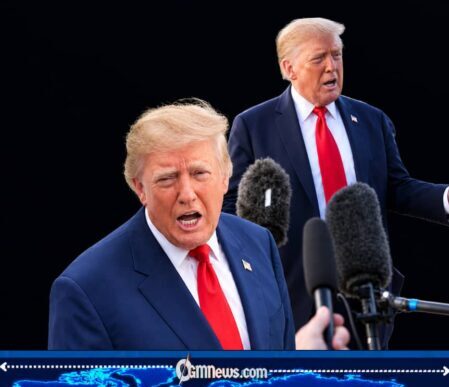
President Donald Trump is expected to extend a waiver on sanctions targeting Russian oil, a move that could have far-reaching implications for global energy markets and international diplomacy. The anticipated decision reflects ongoing efforts to balance economic stability with geopolitical strategy, particularly as tensions continue to shape relations between major world powers.
The waiver, which allows certain transactions involving Russian oil to proceed despite broader sanctions, has been a key tool in managing the global supply of energy. Extending it could help prevent sudden disruptions that might lead to price spikes or economic instability.
At the same time, the decision is likely to attract scrutiny from both domestic and international observers, as policymakers debate the broader consequences of maintaining such exemptions.
Economic Considerations and Energy Markets
President Donald Trump has been closely evaluating the economic implications of the sanctions waiver, particularly in relation to global oil prices and supply chains. Maintaining stability in energy markets remains a critical priority for the administration.
Analysts note that removing the waiver abruptly could lead to significant disruptions, affecting not only major economies but also developing nations that rely heavily on imported energy. The interconnected nature of global markets amplifies the impact of such decisions.
The extension of the waiver may also serve as a temporary measure, allowing time for alternative strategies to be developed without triggering immediate economic consequences.
President Donald Trump and Strategic Balancing
President Donald Trump has demonstrated a willingness to balance competing priorities, using policy tools such as sanctions waivers to navigate complex international dynamics. His approach reflects an attempt to manage both economic and political considerations simultaneously.
This strategy involves maintaining pressure on Russia while avoiding actions that could inadvertently harm global markets or U.S. allies. It highlights the challenges of implementing sanctions in an interconnected world.
The decision to extend the waiver could be interpreted as a pragmatic move, aimed at preserving flexibility while broader policy objectives are pursued.
International Reactions and Diplomatic Signals
President Donald Trump’s expected move has drawn attention from global leaders, many of whom are assessing how the extension might influence diplomatic relations and economic policies. Reactions are likely to vary depending on national interests and alliances.
Some countries may view the waiver as a necessary step to ensure stability, while others could interpret it as a softening of pressure on Russia. These differing perspectives underscore the complexity of the issue.
Diplomatic signals sent by such decisions often extend beyond immediate policy outcomes, shaping perceptions and influencing future negotiations.
Policy Debate and Domestic Response
President Donald Trump is also facing domestic debate over the potential extension, with policymakers and analysts offering differing views on its merits. Some argue that maintaining the waiver is essential for economic stability, while others advocate for stricter enforcement of sanctions.
The discussion reflects broader questions about the effectiveness of sanctions as a tool for achieving foreign policy goals. Balancing these considerations requires careful judgment and strategic planning.
Public discourse on the issue has intensified, with media coverage highlighting both the potential benefits and risks associated with the decision.
President Donald Trump is expected to finalize his decision in the coming days, with the outcome likely to have significant implications for global markets and international relations. The extension of the waiver could provide short-term stability while leaving long-term questions unresolved.
The evolving situation will continue to be closely monitored by stakeholders around the world, as they assess the impact of U.S. policy on energy markets and geopolitical dynamics.
Ultimately, the decision represents a critical moment in the ongoing effort to balance economic interests with strategic objectives, highlighting the complexities of modern global governance.

Logging in is a breeze and the site stability is amazing even during peak hours....