



















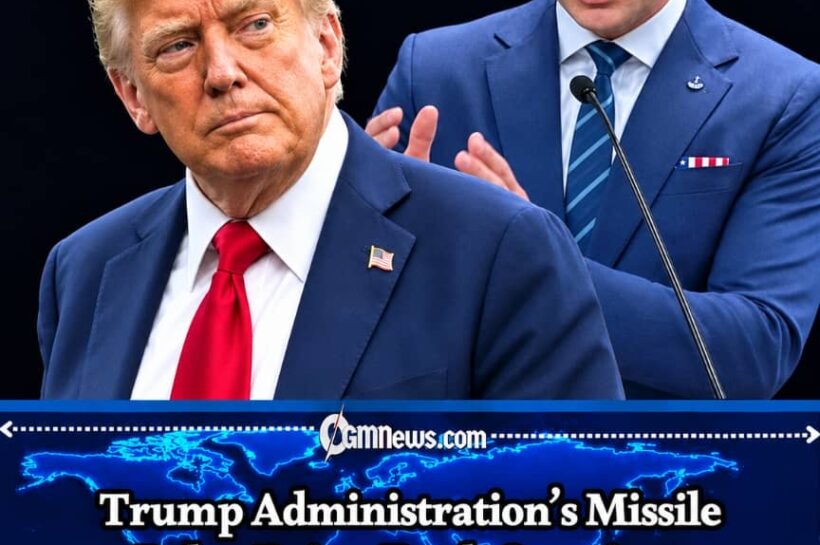





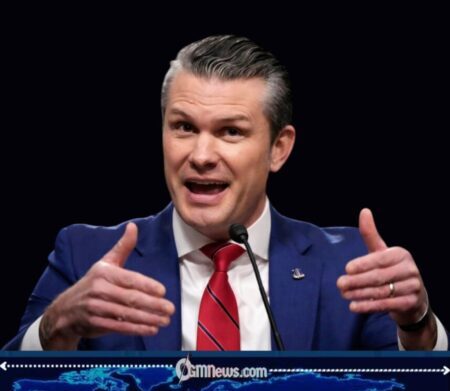
Pete Hegseth, moved to dismiss two more high-ranking generals, David Hodne and William Green Jr., alongside Army Chief of Staff Randy George, in a decision that has drawn widespread attention across defense and political circles. The move signals a significant shift in military leadership at a critical time.
The announcement has raised questions about the reasons behind the dismissals, with observers pointing to possible strategic disagreements or internal restructuring efforts. Such actions are rare and often carry far-reaching implications.
The development has sparked debate about leadership stability within the armed forces and the potential impact on ongoing operations and military readiness.
Background of the Dismissed Officials
Pete Hegseth, addressed the roles of the dismissed officials, noting their extensive experience and service within the military. David Hodne and William Green Jr. have both held influential positions, contributing to key operational and administrative functions.
Randy George, as Army Chief of Staff, represented one of the highest-ranking officers in the U.S. military structure. His removal, alongside the others, underscores the scale of the leadership changes.
Analysts suggest that understanding the professional backgrounds of these officials is essential to assessing the broader implications of their dismissal.
Pete Hegseth and Strategic Direction
Pete Hegseth, emphasized that the decision aligns with a broader vision for reshaping military leadership and ensuring alignment with current strategic priorities. He suggested that such changes are necessary to maintain effectiveness.
The move has prompted discussions about the direction of military policy and whether new leadership will bring shifts in operational focus or doctrine. These questions remain central to ongoing analysis.
Experts note that leadership transitions can influence not only internal dynamics but also external perceptions of military strength and cohesion.
Reactions from Political and Defense Circles
Pete Hegseth, actions have drawn mixed reactions from lawmakers, defense experts, and former military officials. Some view the dismissals as a necessary step toward reform, while others express concern about potential disruptions.
Critics argue that sudden leadership changes may affect continuity and morale within the ranks. Supporters, however, believe that decisive action can address underlying challenges.
The debate reflects broader tensions surrounding military governance and the balance between stability and reform.
Implications for Military Operations
Pete Hegseth, acknowledged that leadership changes inevitably raise questions about their impact on ongoing operations. He maintained that the military remains fully capable of carrying out its works without interruption.
Operational continuity is a key concern, particularly in complex and evolving global environments. Ensuring a smooth transition of leadership is critical to maintaining effectiveness.
Observers will be closely monitoring how these changes influence both short-term activities and long-term strategic planning.
What Comes Next
Pete Hegseth, indicated that further announcements regarding replacements and future plans are expected in the coming weeks. The focus will likely be on ensuring a seamless transition and reinforcing leadership structures.
The coming period will be crucial in determining how these decisions shape the military’s trajectory and its ability to address emerging challenges.
As the situation develops, attention will remain on both the immediate effects of the dismissals and the broader implications for national defense and security.


Logging in is a breeze and the site stability is amazing even during peak hours....