




























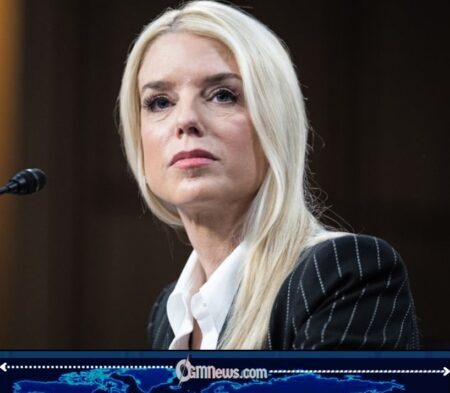
U.S. Attorney General Pam Bondi has reportedly relocated from her private residence in Washington, D.C., to a secure military facility after a rise in threats linked to her role in the Jeffrey Epstein investigation and broader political tensions surrounding the case. The move comes during the second presidential term of U.S. President Donald Trump, as the administration faces mounting scrutiny over the handling of sensitive legal documents tied to the late financier and convicted sex offender.
Officials familiar with the situation say the relocation occurred within the past month after federal authorities flagged increasing threats against the attorney general. The threats reportedly include potential risks from drug cartels as well as criticism from political figures and activists who accuse the Justice Department of mishandling the release of Epstein-related files.
Bondi’s move marks the latest instance of senior administration officials choosing to reside in heavily secured government housing, reflecting both heightened security concerns and the politically charged climate surrounding the ongoing investigations.
Security Concerns Prompt Bondi Relocation
According to officials with knowledge of the matter, Bondi’s relocation was prompted by an uptick in threats directed at her following several controversial developments involving the Justice Department. Federal law enforcement reportedly warned that the combination of organized crime threats and public backlash could pose a risk to her personal safety.
A senior official noted that threats from international criminal organizations—including drug cartels—became more pronounced after the administration’s high-profile actions involving foreign leaders. These developments, combined with widespread criticism over the Epstein case, prompted security officials to recommend that the attorney general move to a more protected environment.
The exact location of the military base where Bondi now resides has not been disclosed, and her office has requested that the media refrain from publishing details that could compromise her safety.
Growing Trend of Officials Using Military Housing
Bondi is not the first senior figure in President Trump’s second administration to relocate to secure government facilities. Several high-ranking officials—including Secretary of State Marco Rubio, Defense Secretary Pete Hegseth, and senior adviser Stephen Miller—are also reported to be living in military housing or other secured government accommodations.
The practice was once relatively rare for civilian officials, though there have been precedents. Former Defense Secretary Robert Gates lived in Navy housing during his service under Presidents George W. Bush and Barack Obama, while officials such as Jim Mattis and Mike Pompeo also stayed in government facilities during Trump’s first presidential term.
Security experts say the trend reflects a growing recognition of the risks faced by top government officials in an era of heightened political polarization, global tensions, and digital threats.
Congressional Pressure Over Epstein Files
Bondi’s relocation also coincides with intensifying scrutiny from Congress over the Justice Department’s handling of documents related to Jeffrey Epstein. A Republican-led House Oversight Committee recently voted to subpoena the attorney general, compelling her to testify about the department’s management of the case.
The subpoena passed with bipartisan support after several Republican lawmakers joined Democrats in demanding answers. Lawmakers argue that the department failed to meet deadlines for releasing the full set of Epstein-related records and may have mishandled sensitive information in earlier document releases.
Committee members have said the investigation aims to clarify why certain materials remain unreleased and whether the department followed proper procedures when publishing previously disclosed files.
Controversy Over Document Releases
Bondi has faced criticism from lawmakers, advocacy groups, and some victims’ representatives over the way the Epstein documents were released. In particular, critics allege that the Justice Department mistakenly disclosed identifying information about victims while withholding the names of alleged perpetrators.
Survivor groups have condemned the release, saying it exposed victims to further trauma while failing to deliver the transparency that had been promised. Some lawmakers have also questioned why widely circulated documents were included in early releases rather than previously unseen materials.
Bondi has defended the Justice Department’s efforts, stating that the department has worked to balance transparency with legal obligations and ongoing investigative considerations.
Political Fallout and Public Debate
The controversy surrounding the Epstein files has created unusual political alliances in Washington. Several conservative Republicans joined Democrats in pressing for additional disclosures and accountability, reflecting dissatisfaction across the political spectrum.
At a recent congressional hearing, Bondi faced intense questioning from lawmakers over the Justice Department’s actions and the administration’s broader record. The hearing became contentious at times, highlighting the deeply polarized atmosphere surrounding the investigation and the administration’s policies.
Analysts say the outcome of the congressional probe could have significant implications for the Justice Department and the administration’s approach to transparency in high-profile cases.
Balancing Security and Accountability
While the relocation to military housing underscores the seriousness of the security threats facing Bondi, it also illustrates the difficult environment confronting senior officials during highly sensitive investigations.
Supporters argue that the move is a prudent step to ensure the attorney general’s safety amid credible threats, while critics say it symbolizes a widening gap between government officials and the public they serve.
As congressional inquiries continue and calls for greater transparency persist, the debate surrounding the Epstein files—and the Justice Department’s role in handling them—remains a defining political issue in President Trump’s second administration.


The weekly tournaments here keep me coming back because the prize pools are surprisingly generous....