










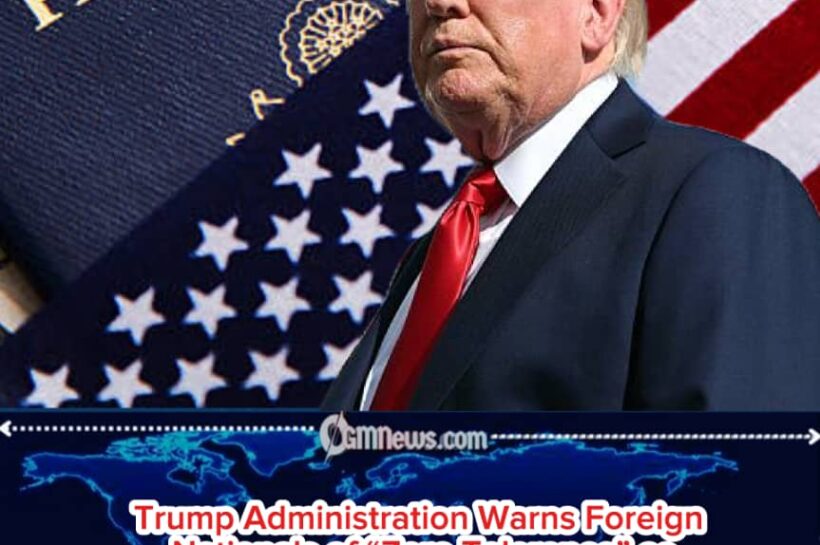




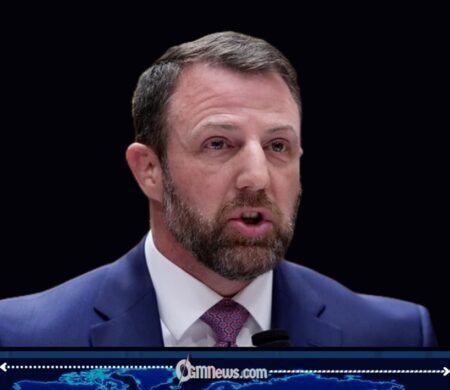
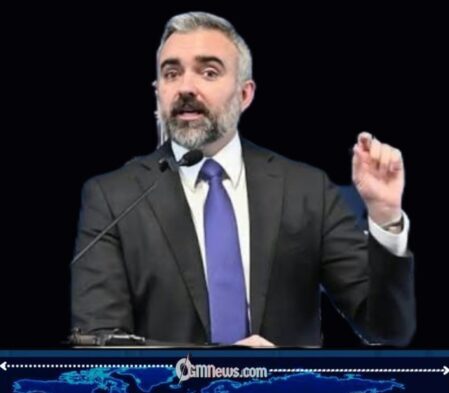
U.S. Homeland Security Secretary Markwayne Mullin has announced he is considering a significant policy shift that could disrupt international travel across some of America’s busiest airports. The proposal involves potentially withdrawing U.S. customs agents from airports located in so-called sanctuary cities—jurisdictions that limit cooperation with federal immigration enforcement.
Mullin said the move is under consideration because he believes sanctuary city policies are unlawful. His remarks come amid an intensifying political battle in Washington over immigration enforcement, funding for border agencies, and the broader role of federal versus local authorities.
Legal Dispute Over Sanctuary City Policies
At the heart of Mullin’s proposal is a longstanding legal and political debate over sanctuary cities. These jurisdictions typically adopt policies that restrict local law enforcement from assisting federal immigration authorities, particularly in detaining undocumented immigrants.
“I believe sanctuary cities is not lawful,” Mullin said in a televised interview, arguing that local governments may be overstepping their authority. However, sanctuary policies have existed for decades and have historically withstood multiple legal challenges in U.S. courts, reinforcing the principle that immigration enforcement is primarily a federal responsibility.
Critics of Mullin’s stance argue that local governments are not obligated to enforce federal immigration law, citing constitutional limits on federal power over states and municipalities. Supporters, however, maintain that lack of cooperation undermines national immigration enforcement efforts.
Mullin Proposal Potential Impact on Major U.S. Airports
The proposal could have far-reaching consequences for international travel if implemented. Airports in major metropolitan areas—many of which are designated sanctuary cities—could be directly affected. These include Denver International Airport, John F. Kennedy International Airport, and Los Angeles International Airport.
Customs agents play a critical role in processing international arrivals, conducting security checks, and enforcing immigration laws at ports of entry. Any withdrawal of personnel could lead to delays, operational disruptions, or even the rerouting of international flights.
Aviation experts warn that such a move could strain airport logistics and impact global travel networks, given the central role these airports play in international connectivity.
Federal Authority Versus Local Autonomy
Mullin’s comments underscore a broader tension between federal authority and local governance. While immigration enforcement is constitutionally a federal responsibility, local jurisdictions retain discretion over how their law enforcement resources are used.
Mullin questioned whether cities that decline to cooperate with federal immigration authorities should continue to benefit from federal services at international airports. He framed the issue as one of partnership, suggesting that cooperation should be reciprocal.
Opponents argue that tying federal services to local policy compliance could set a contentious precedent, potentially leading to legal challenges and further political polarization.
Political Battle Over Immigration Funding
The proposal also emerges against the backdrop of an ongoing partisan struggle over immigration funding. Mullin criticized Democrats for allegedly seeking to reduce funding for border enforcement agencies, including U.S. Customs and Border Protection.
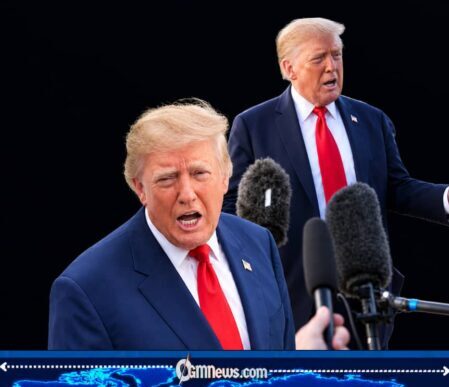
Despite these claims, CBP has seen substantial financial support in recent years, including a major funding boost under the administration of Donald Trump, who is currently serving his second term as U.S. president.
The debate reflects deeper divisions between Republicans and Democrats over immigration policy, border security, and the allocation of federal resources.
Operational and Economic Concerns
Beyond politics, the proposal raises practical concerns about implementation. Removing customs agents from key airports could create bottlenecks in passenger processing, affecting airlines, travelers, and the broader economy.
Airports serve as critical infrastructure for international commerce and tourism. Any disruption could have ripple effects on business travel, trade, and local economies that depend heavily on global connectivity.
Industry stakeholders are likely to closely monitor developments, as even the possibility of such a policy shift introduces uncertainty into an already complex aviation environment.
Uncertain Path Forward
While Mullin has not announced a formal policy decision, his remarks signal that the administration is exploring more assertive measures to address sanctuary city policies. Whether the proposal will advance remains unclear, particularly given the likelihood of legal and political challenges.
For now, the suggestion alone has intensified debate over immigration enforcement and raised questions about the future relationship between federal authorities and local governments in the United States.

Logging in is a breeze and the site stability is amazing even during peak hours....