










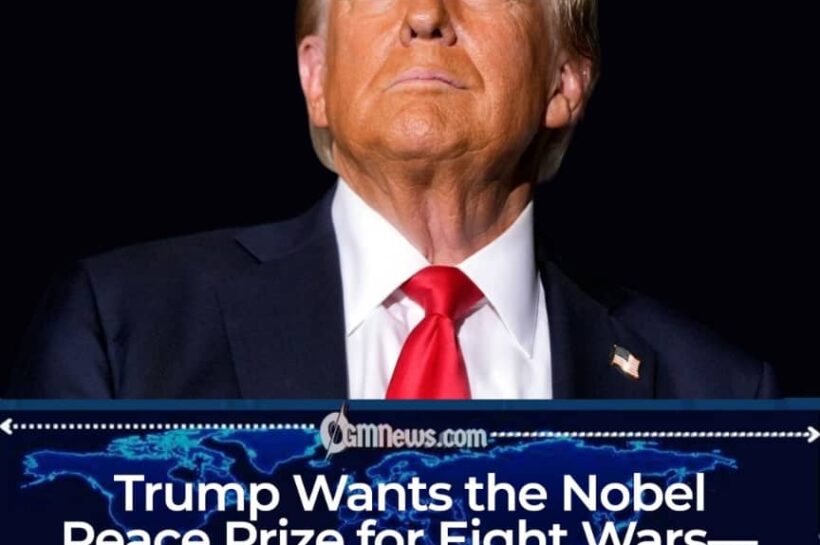
















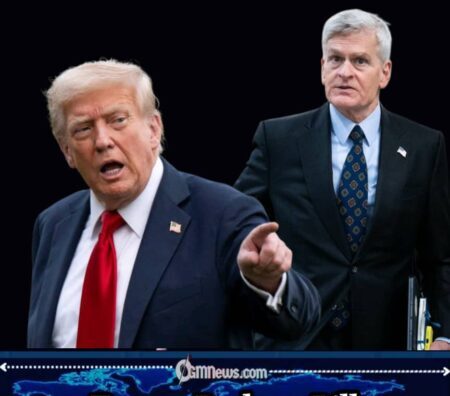
Loyalty Politics surged back into national attention after Donald J. Trump launched a sharp attack against Bill Cassidy, accusing him of betrayal and political disloyalty. Trump argued that Cassidy benefited from his relationship with him during earlier campaigns before later voting to impeach him, reviving one of the most contentious divisions within recent Republican history.
The comments focused heavily on Cassidy’s vote during impeachment proceedings that followed the events surrounding the certification of the 2020 election. Trump described the charges against him as baseless and went further by claiming Cassidy’s political future had effectively ended.
Loyalty Politics: Impeachment Vote Continues To Shape Republican Relationships
Cassidy was among a relatively small number of Republican senators who voted in favor of impeachment, a decision that immediately drew criticism from many Trump supporters. At the time, the vote represented a major political break inside the party and highlighted disagreements over accountability and constitutional interpretation.
Within the broader Loyalty Politics debate, questions continue surrounding whether elected officials should prioritize allegiance to influential political leaders or independent decision-making based on personal judgment and constituent interests. The issue remains one of the defining tensions within modern party politics.
Political Memory and Internal Party Battles Remain Powerful Forces
Political analysts frequently note that high-profile disputes involving loyalty can outlast election cycles and continue influencing relationships years later. Internal divisions often become central to broader struggles over leadership, identity, and future direction within parties.
Loyalty Politics has increasingly become a recurring theme in national discourse, particularly as public disagreements now unfold instantly across social platforms and campaign networks. Supporters of Trump argue that loyalty reflects commitment to a movement and its agenda, while critics contend that disagreement does not necessarily constitute betrayal.
As political dynamics continue evolving, this renewed clash demonstrates how past decisions can remain active fault lines in present-day debates. OGM News understands that longstanding divisions over impeachment and party identity may continue shaping conversations well into future election cycles.

[…] […]