




























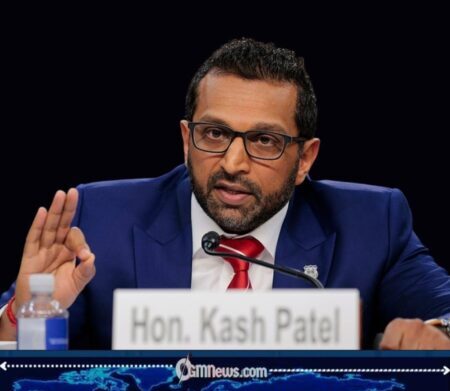
FBI Director Kash Patel has reignited the long-running debate over the Jeffrey Epstein case after telling senators that investigators found “no credible information” that Epstein trafficked young women to other individuals. Patel made the statement during a Senate Judiciary Committee hearing, adding that if such evidence existed, he would pursue a case. He also emphasized that the FBI’s available information was limited, putting the exact scope of his conclusion under intense scrutiny.
The statement arrived after months of political pressure over the government’s handling of the Epstein files. Patel’s position is narrower than some headlines suggest: he was addressing whether the FBI’s available files contained credible information supporting trafficking to other individuals, rather than claiming that Epstein’s crimes themselves were fabricated or that every question surrounding his network had been answered.
Kash Patel Puts the FBI Files at the Centre of the Debate
Kash Patel told the Senate that he had reviewed a substantial amount of the FBI’s Epstein material but acknowledged that he had not reviewed every document. When pressed on who Epstein trafficked victims to besides himself, Patel answered that there was no credible information establishing that he had trafficked them to other individuals.
That distinction has become the unofficial star of the story. In Washington’s finest tradition, a three-word phrase has now acquired enough political weight to require its own filing cabinet: “credible information.” Patel says the information available to the bureau does not meet that threshold, while critics argue that the public deserves to see more of the underlying records before accepting the conclusion.
Epstein Files Keep Washington Arguing Over What the Evidence Shows
The controversy has persisted because the Epstein investigation involves years of records, court restrictions and intense public interest in whether other people participated in criminal conduct. Patel said the FBI and Justice Department faced legal limitations on releasing some materials, including restrictions arising from court orders.
Patel’s testimony therefore did not end the argument—it effectively moved the argument to a new question: exactly what is contained in the files, what remains inaccessible and what evidence would be sufficient to justify additional prosecutions? With lawmakers continuing to demand transparency, the political pressure surrounding the case is unlikely to disappear simply because one official says the available information is not credible enough to establish further trafficking.
Kash Patel’s testimony has placed the FBI’s evidence, the limits of the available files and the government’s transparency obligations back under the microscope. The statement should not be interpreted as proof that no other person could ever be implicated; rather, it reflects Patel’s stated assessment of the credible information currently available to the FBI regarding trafficking to other individuals. OGM News will continue following developments surrounding the Epstein files, congressional scrutiny and any additional evidence or disclosures that emerge, because this story is clearly not finished.


Ae888covenuscasino, okay, I'm curious. Gonna check out this site and try to find some amazing...