




























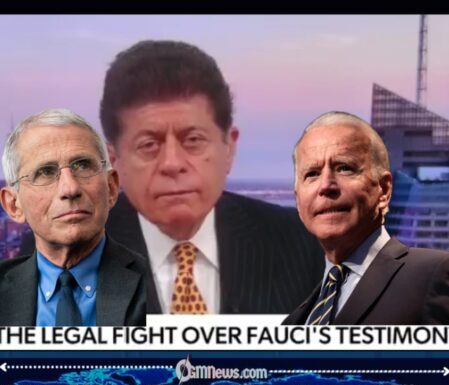
Judge Andrew Napolitano has sharply criticized former President Joe Biden’s decision to grant Dr. Anthony Fauci a pre-emptive pardon, describing the move as a “profound, profound disservice to the country.” His remarks come as Fauci faces renewed congressional scrutiny over his role in the U.S. response to COVID-19 and questions surrounding the origins of the pandemic.
Biden issued the pardon on January 20, 2025, shortly before leaving office. The extraordinary action covered federal offenses Fauci may have committed between January 1, 2014, and January 20, 2025. At the time, Fauci had not been charged with a crime. Biden said the pardon should not be interpreted as an admission of wrongdoing and argued that it was necessary because of concerns about potentially “unjustified and politically motivated prosecutions.”
Napolitano’s Criticism
Judge Andrew Napolitano has argued that the pardon undermined the principle of accountability by shielding Fauci from potential federal prosecution before any criminal charges had been brought against him. His criticism reflects a broader argument from Fauci’s opponents that questions surrounding the pandemic response should have been resolved through investigation and, where warranted, prosecution rather than pre-emptive presidential protection.
The controversy has gained fresh momentum following Fauci’s July 29, 2026, Senate appearance. During the contentious hearing, Fauci invoked his Fifth Amendment right more than 100 times while being questioned about COVID-19’s origins, federally funded research and his role in pandemic-era decision-making. Republican senators subsequently moved toward potential contempt proceedings.
Pardon Does Not Establish Guilt
Judge Andrew Napolitano’s criticism, however, should be separated from the legal effect of Biden’s action. A pardon does not itself establish that the recipient committed a crime. Contemporary reporting on Biden’s decision emphasized that Fauci had not been charged with a crime when the pardon was issued, while Biden explicitly stated that the pardon should not be interpreted as an acknowledgment of wrongdoing.
The Senate controversy has nevertheless ensured that the debate is far from over. Fauci’s refusal to answer some questions has intensified criticism from Republicans, while Democrats and Fauci’s defenders argue that the hearing risks turning scientific and public-health disputes into a politically motivated prosecution. The central questions surrounding COVID-19 research, pandemic decision-making and government transparency therefore remain deeply contested.
For Judge Andrew Napolitano, Biden’s pardon represents a serious failure of public accountability. For Fauci’s defenders, it was a safeguard against what Biden described as politically motivated prosecution. What remains undisputed is that the pardon did not amount to a judicial finding of guilt—and that the latest Senate confrontation has ensured that the political battle over Fauci and the COVID-19 response remains alive.

[…] […]