










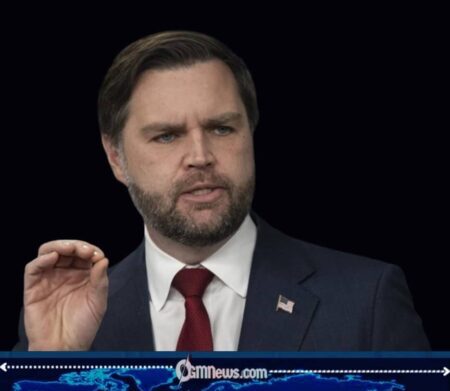
Vice President JD Vance has acknowledged growing frustration among Americans over decades of military involvement in the Middle East, saying he understands why many citizens are deeply weary after years of foreign conflict. In recent remarks, Vance said the public’s skepticism is justified after what he described as 25 years of costly entanglements abroad.
At the same time, Vance argued that the current administration believes it can avoid repeating the mistakes of previous governments. He suggested that earlier leaders lacked strategic clarity, saying the difference now is that past conflicts were shaped by what he bluntly described as poor presidential decision-making.
His comments have drawn attention because they combine empathy for war-weary voters with a forceful defense of President Donald Trump’s second-term foreign policy approach.
A Shift in Republican Foreign Policy Language
Vance’s statement reflects a broader shift inside the Republican Party on foreign policy. In previous decades, many party leaders strongly supported long-term military intervention overseas as part of a larger American security strategy.
In contrast, Vance belongs to a newer wing of the party that argues the United States should be far more selective in using military power. That perspective emphasizes restraint, domestic priorities, and a narrower definition of national interest.
Political observers say the vice president’s comments reveal how significantly the party’s language has changed, especially among leaders who appeal to voters increasingly skeptical of prolonged international conflicts.
The Meaning Behind His Remarks
By saying Americans are exhausted, Vance appeared to recognize a sentiment shared across political lines. Polls over the last several years have shown declining public support for large-scale foreign military commitments.
His criticism of previous leadership suggested that past administrations failed to define clear goals before entering conflict. Vance argued that those failures left Americans with deep distrust toward new military action in the region.
Supporters say his remarks were intended to reassure voters that the administration has learned from history. Critics argue that reducing decades of policy failures to poor leadership oversimplifies a much more complex issue.
Concerns Over Current Middle East Tensions
Vance’s comments come as tensions in the Middle East continue to raise concerns about the possibility of broader regional conflict. The administration has repeatedly said it does not intend to become involved in another prolonged war.
Officials close to the White House have emphasized that any military action would be limited and focused strictly on protecting American interests. Vance’s remarks appear to reinforce that message by drawing a distinction between current policy and earlier interventions.
However, foreign policy experts caution that conflicts in the region have historically expanded beyond their original scope, making public skepticism difficult to dismiss.
Reaction From Political Opponents
Democratic critics have challenged Vance’s remarks, arguing that his language was unnecessarily dismissive toward previous presidents who faced complex national security decisions. Some lawmakers said the vice president’s wording risked trivializing difficult chapters in American foreign policy.
Others accused the administration of attempting to reassure the public while leaving unanswered questions about its long-term strategy in the region. They argue that trust must be built through transparency rather than rhetoric.
Despite criticism, Vance’s comments have resonated with some voters who believe Washington has too often underestimated the costs of overseas intervention.
A Defining Issue for the Administration
Foreign policy is becoming one of the defining issues of President Trump’s second term, and Vance has emerged as one of the administration’s clearest voices on the subject. His remarks suggest the White House is aware that public patience for another military conflict is extremely limited.
Analysts say the administration is trying to present a foreign policy that appears strong without appearing reckless. Vance’s comments were part of that balancing act acknowledging public concern while defending current leadership.
Whether Americans accept that distinction may become clearer as tensions in the Middle East continue to test the administration’s promise that this time, as Vance suggested, will be different.

Nhacainew88, sounds Vietnamese? I hope the service translates well! Always up for trying something new,...