












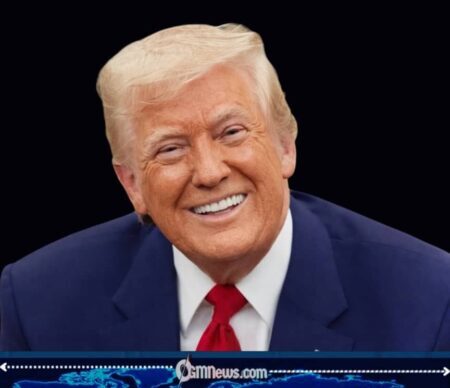
U.S. President Donald Trump has said that a potential agreement with Iran could make Israel more secure by reducing regional tensions and limiting Tehran’s military capabilities. The statement signals that the administration is presenting diplomacy not only as a means of avoiding conflict, but also as a strategy for protecting key American allies in the Middle East.
President Donald Trump’s remarks come as indirect negotiations with Iranian officials continue through international intermediaries. While the talks remain fragile, the White House is increasingly framing any possible agreement as one that could reshape the regional security balance in favor of Israel.
Trump Presents the Deal as a Security Guarantee
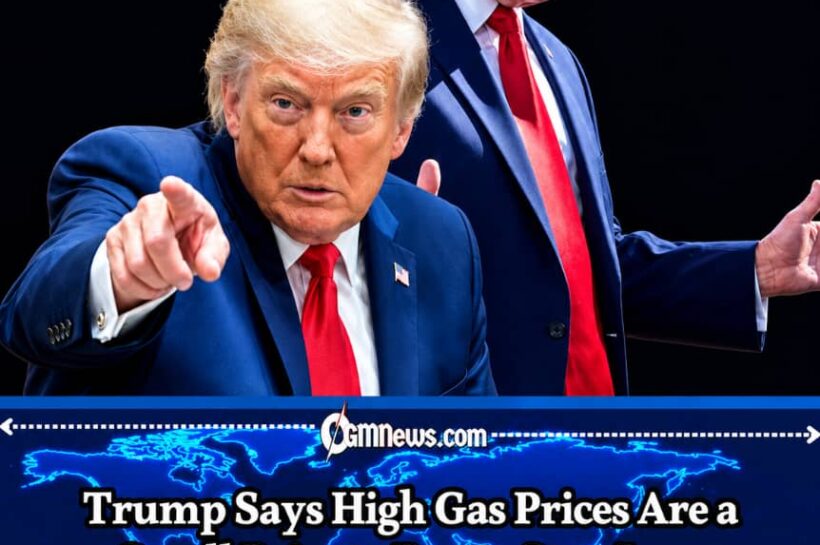
President Donald Trump has argued that a carefully structured agreement would prevent Iran from advancing toward a nuclear weapon while easing the immediate threat of wider conflict. He told reporters that any final arrangement must deliver stronger protections for Israel and other U.S. partners.
According to administration officials, the president believes diplomacy can succeed if it is backed by pressure. President Donald Trump has repeatedly maintained that negotiation only works when the other side understands the consequences of rejecting American terms.
The White House says the goal is not simply peace with Iran, but a stronger security environment for the region.
Israel Watches Negotiations Closely
Israeli officials have closely monitored the negotiations, with senior leaders insisting that any deal must go beyond nuclear restrictions. Israel has emphasized that Iran’s missile program and regional armed groups must also be addressed.
Some Israeli analysts believe a stronger agreement under President Donald Trump could offer more security than earlier international arrangements. Others remain cautious, warning that Tehran’s long-term intentions remain difficult to predict.
The debate inside Israel reflects both hope for de-escalation and concern over the risks of compromise.
Iran’s Position Complicates Talks
Iran has continued to press for concessions during negotiations, including demands related to sanctions relief and regional maritime control. Iranian officials have also resisted foreign oversight in strategic waterways.
These issues have made progress difficult despite diplomatic momentum. American negotiators say Iran must make verifiable commitments before any agreement can move forward.
President Donald Trump has insisted that no deal will be accepted unless it clearly limits Iran’s military options.
Regional Powers Respond to the Proposal
Across the Middle East, governments are responding cautiously to the possibility of a new agreement. Gulf states have expressed support for stability but remain wary of Iran’s regional influence.
Several Arab governments have quietly welcomed efforts to reduce the risk of war, particularly if the agreement includes stronger monitoring provisions. Others fear a partial agreement could leave broader security concerns unresolved.
President Donald Trump’s comments have therefore been viewed as part of a larger effort to reassure nervous regional allies.
Domestic Political Debate Intensifies
In Washington, reaction to the proposed deal has been divided. Supporters say President Donald Trump is attempting to secure peace without sacrificing American or Israeli interests.
Critics argue that any agreement with Iran must be carefully examined to ensure it does not create unintended consequences. Some lawmakers have already called for congressional review if negotiations produce a formal framework.
The issue may become another major foreign policy debate in the months ahead.
The Strategic Stakes for the Region
A successful agreement could reshape regional diplomacy by lowering immediate tensions and reducing the likelihood of military confrontation. It could also influence relationships between Israel and neighboring states.
Failure, however, could trigger renewed instability and increase the risk of direct conflict. Analysts say the outcome may determine whether diplomacy or confrontation defines the next phase of Middle East politics.
President Donald Trump has positioned the talks as a critical test of whether firm diplomacy can achieve long-term security.
President Donald Trump’s assertion that an Iran agreement could make Israel safer reflects the administration’s effort to combine diplomacy with strategic reassurance. The White House is presenting the negotiations as more than a nuclear issue, framing them as a broader effort to reshape regional security.
Whether that promise can be fulfilled depends on the final terms of any agreement and the willingness of all sides to accept them. For now, the negotiations remain one of the most closely watched developments in international diplomacy.

Logging in is a breeze and the site stability is amazing even during peak hours....