





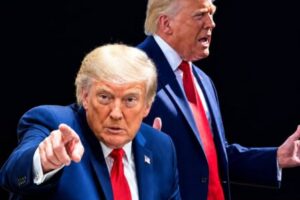

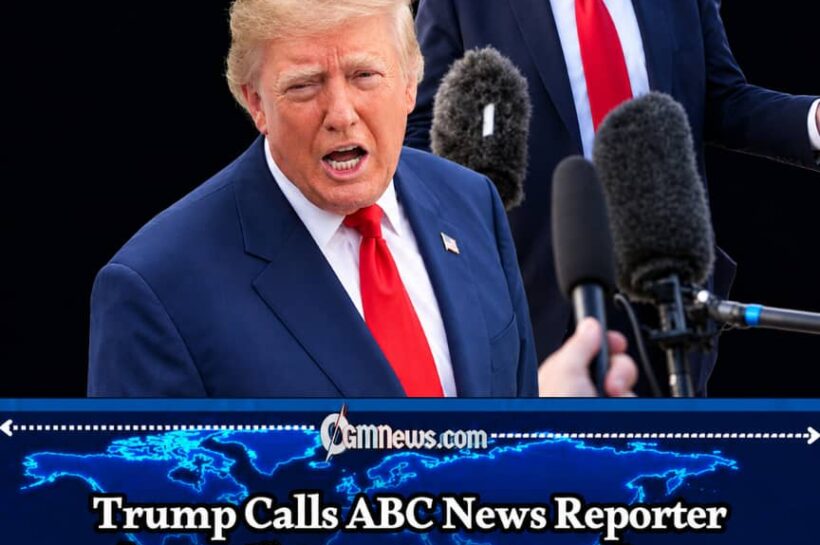

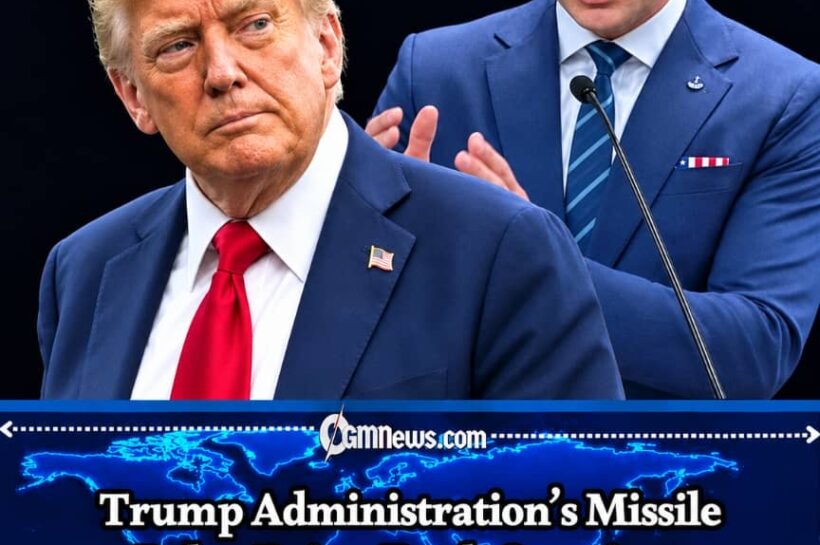




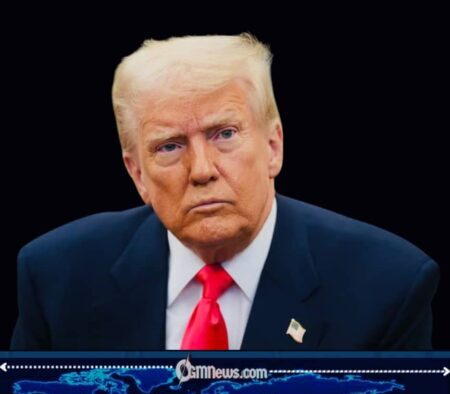
Iran has firmly rejected claims that President Donald Trump, currently serving a second term, has the authority to dictate terms or deadlines for negotiations, marking a significant escalation in the diplomatic standoff between the two countries. Iranian officials have publicly dismissed Washington’s position, emphasizing that any potential dialogue must be based on mutual respect rather than unilateral demands.
The response comes after Donald Trump suggested that progress was being made toward a possible agreement, including references to timelines and conditions for negotiations. Tehran, however, has denied that such discussions are taking place, highlighting a widening gap between the narratives presented by both sides.
This divergence underscores the fragile state of diplomacy amid ongoing military tensions, with both countries advancing sharply different interpretations of the current situation.
Iran Firm Stance: No Negotiations Under Pressure
Iranian leadership has reiterated a long-standing principle: negotiations cannot occur under coercion. Officials have stated that external pressure whether through military threats or imposed deadlines undermines the for meaningful dialogue.
Statements from senior figures, including parliamentary and foreign ministry representatives, have reinforced the position that Iran will not engage in talks framed by ultimatums. This includes rejecting any suggestion that the United States can define the parameters or timeline of potential negotiations.
Iran’s approach reflects a broader strategy aimed at preserving sovereignty and avoiding concessions perceived as being extracted under duress.
Conflicting Narratives on Diplomatic Progress
A central feature of the current is the stark contrast between U.S. and Iranian accounts of diplomatic engagement. Donald Trump has suggested that discussions are advancing and that both sides are moving closer to agreement.
In contrast, Iran officials have categorically denied the existence of direct negotiations, describing such claims as inaccurate. Reports from international news organizations indicate that any communication that does occur is indirect and often facilitated by third-party intermediaries.
This discrepancy has contributed to uncertainty in global markets and among international observers, complicating efforts to assess the state of diplomacy.
Strategic Messaging and Information Warfare
Iran has characterized U.S. statements about negotiations as part of a broader strategy of psychological and информационный warfare. Officials argue that such messaging is intended to influence global perceptions and stabilize markets during periods of uncertainty.
Economic indicators appear to support the link between political statements and market reactions. Reports show that oil prices and financial markets respond quickly to signals of potential de-escalation, even when those signals are disputed.
By rejecting these narratives, Iran is attempting to assert control over its position while countering what it views as external attempts to shape the narrative.
Historical Context: Deep-Seated Disagreements
The current standoff is rooted in longstanding disagreements between the United States and Iran over key issues such as nuclear policy, regional influence, and military capabilities. Previous negotiation efforts have repeatedly stalled due to fundamental differences in expectations
The United States has historically pushed for stricter limitations on Iran’s nuclear and missile programs, while Iran has insisted on its rights under international agreements. These opposing positions have created persistent barriers to comprehensive agreements.
As a result, the present dispute over negotiation authority is not an isolated but part of a broader pattern of mistrust and competing strategic interests.
Outlook: Diplomacy Amid Continued Tensions
The rejection of U.S. authority to set negotiation terms comes at a time when military and political tensions remain high. Ongoing hostilities and regional instability continue to complicate efforts toward de-escalation.
While indirect channels of communication may still exist, the lack of agreement on basic conditions for dialogue presents a significant obstacle. Both sides appear committed to maintaining their respective positions, reducing the likelihood of immediate breakthroughs.
Nevertheless, diplomatic efforts are expected to continue in some form, as international actors seek to prevent further escalation and encourage a return to structured negotiations.

Logging in is a breeze and the site stability is amazing even during peak hours....