



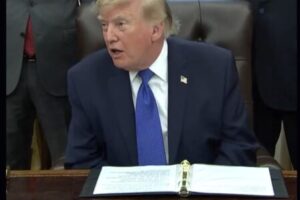
























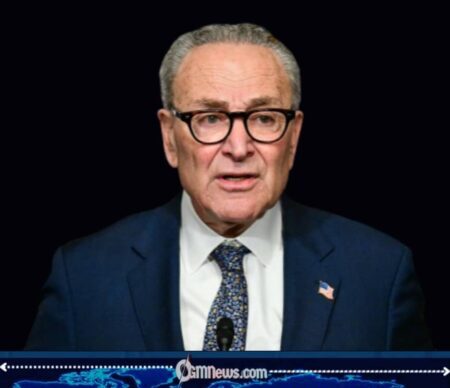
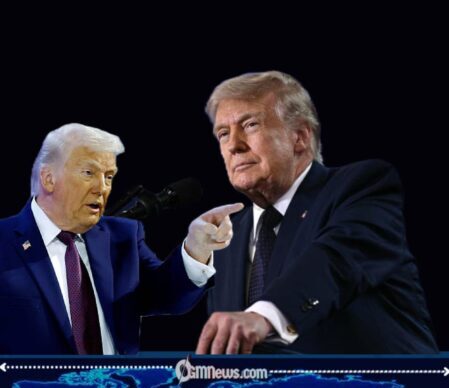
Hantavirus has suddenly become the center of a heated political confrontation in Washington after Senate Minority Leader Chuck Schumer accused the administration of current president Donald J. Trump of weakening America’s public health defenses ahead of a recent outbreak scare tied to an international cruise ship. Schumer argued that staffing reductions and budget decisions affecting disease preparedness agencies made an already troubling situation “even more alarming,” reviving broader concerns about whether the United States remains adequately equipped to respond quickly to emerging biological threats.
Senate Democrats Raise Alarm Over U.S. Public Health Preparedness
The controversy erupted after reports connected hantavirus concerns to passengers aboard a cruise vessel, triggering renewed public anxiety over disease surveillance and emergency response systems. Although health authorities have not described the situation as a nationwide emergency, the political reaction escalated rapidly. Schumer’s remarks framed the issue as more than a temporary health scare, portraying it instead as evidence of a deeper institutional vulnerability created by years of disputes over federal health funding and preparedness priorities.
Critics of the administration claim reductions affecting public health programs, including staffing pressures within disease monitoring agencies, have strained America’s ability to detect and respond to outbreaks efficiently. Supporters of the White House, however, dismissed Schumer’s criticism as politically opportunistic, arguing that federal agencies remain operational and capable of managing public health incidents. The dispute has once again highlighted how even limited outbreaks can evolve into powerful political weapons during moments of national uncertainty.
Schumer Accuses Trump White House of “Weakening America” Before Hantavirus Threat
Hantavirus itself is a relatively rare but potentially dangerous disease typically spread through contact with infected rodent droppings, saliva, or urine. Public health experts have long emphasized that prevention depends heavily on rapid identification, monitoring systems, and coordinated local response efforts. In recent years, debates surrounding federal preparedness funding intensified after several government restructuring efforts and workforce reductions affected various health agencies responsible for emergency readiness and outbreak surveillance.
The latest political clash also reflects growing public skepticism about institutional readiness following years of global health emergencies that exposed weaknesses in medical supply chains, crisis communication, and emergency coordination. Analysts note that disease outbreaks increasingly become political flashpoints because public trust in health agencies often fluctuates alongside partisan narratives. As a result, even smaller outbreaks can generate outsized political reactions, particularly when lawmakers connect them to larger debates over government competence and national security.
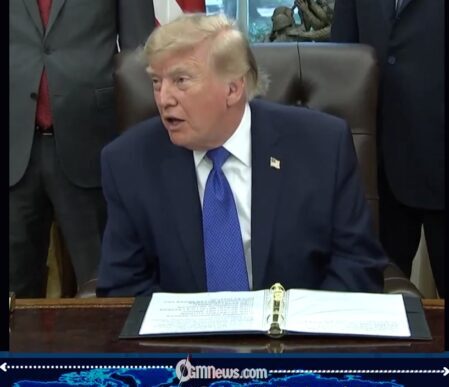
For the Trump administration, the hantavirus controversy represents another test of its ability to defend policy decisions involving federal agencies under intense public scrutiny. For Democrats, it provides an opportunity to argue that preparedness spending should be treated as a long-term national security investment rather than a negotiable budget item. Meanwhile, Americans watching the latest Washington showdown may find themselves trapped between official reassurances and political warnings, wondering whether the country’s Preparedness systems are truly built for the next major crisis—or merely for the next televised argument. OGM News will continue monitoring developments surrounding the hantavirus response, including any additional federal actions, investigations, or public health advisories that emerge in the coming days.
Casinoabc999? Good Site. The interface is sleek, and there is a lot of stuff to...