




























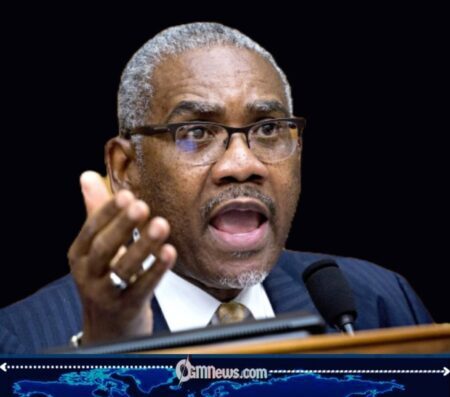
U.S. Representative Greg Meeks has responded strongly to a wave of DSA Wins in recent New York City elections, warning that the outcomes could reshape Democratic Party influence both locally and in Washington. His remarks come amid internal party debates over strategy, leadership, and electoral direction following several surprising primary results.
The elections, which saw progressive candidates backed by the Democratic Socialists of America make notable gains, have sparked concern among some Democratic leaders who fear a shift in the party’s traditional power structure. Meeks’ comments reflect growing anxiety about the long-term implications of these results for party unity and legislative effectiveness.
Greg Meeks Reacts to DSA Gains in NYC Elections
Greg Meeks emphasized that the central goal of the Democratic Party should be maintaining a governing majority rather than becoming entrenched in permanent minority status. His statement was widely interpreted as a call for strategic recalibration following the recent DSA Wins.
He also expressed particular concern over the loss of Congressman Adriano Espaillat, noting that such defeats could weaken the party’s influence in Congress. According to Meeks, electoral setbacks in key districts may reduce New York’s ability to secure federal resources and policy priorities.
Meeks’ reaction underscores a broader tension within the Democratic Party between establishment figures and progressive movements, each advocating different approaches to voter engagement and policy priorities.
Greg Meeks Expresses Concern Over NYC Primary Upsets
The DSA Wins in NYC elections have been seen as part of a broader rise in progressive activism within urban Democratic politics. Candidates aligned with the Democratic Socialists of America have gained traction by focusing on issues such as housing, labor rights, and income inequality.
However, critics within the party argue that these victories may come at the cost of broader electoral competitiveness, particularly in swing districts or federally influential races. They warn that ideological shifts could complicate coordination with national Democratic leadership.
Supporters of the movement counter that these results reflect grassroots demand for change and greater representation of working-class concerns within government.
As the political debate continues, the impact of DSA Wins on Democratic strategy remains a key question. With figures like Greg Meeks calling for unity and caution, the party now faces the challenge of balancing ideological diversity with electoral pragmatism in one of its most important strongholds.



[…] […]