





























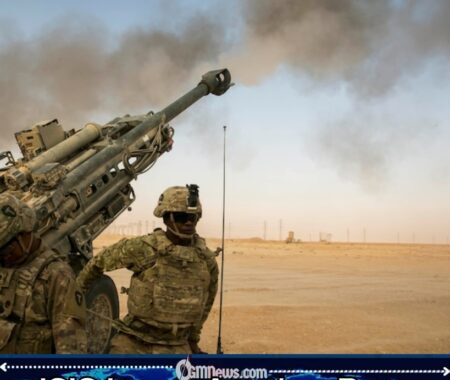
The ISIS insurgency suffered another high-profile setback after US forces reportedly killed a senior ISIS leader during an operation in Syria, a development military officials describe as part of ongoing efforts to prevent the extremist organization from rebuilding its capabilities. While the announcement has been welcomed by counterterrorism observers, the operation also revives a familiar question: does eliminating senior leaders permanently weaken ISIS, or merely force another reshuffling of its hierarchy?
Operation Based On The Ongoing Security Threats
The ISIS target was reportedly identified through intelligence gathered over an extended period, culminating in a carefully planned operation inside Syria. According to available information, the mission was designed to remove a senior figure believed to be involved in coordinating or supporting terrorist activities that threatened regional security and international interests. Similar operations in recent years have focused on disrupting command structures and limiting the group’s ability to organize attacks.
US military officials have repeatedly stated that extremist leaders remain priority targets because of their roles in recruitment, financing, logistics, and operational planning. The latest strike follows a pattern of counterterrorism missions aimed at preventing ISIS from exploiting instability in parts of Syria to regain momentum. Authorities have indicated that operations against remaining ISIS elements will continue despite significant reductions in the group’s territorial control.
Persistence On Recent Breach Of Peace Deals
The death of another senior ISIS figure comes against the backdrop of a broader campaign across the Middle East and Africa. Recent operations by US and partner forces have targeted key ISIS leaders, financiers, and facilitators, reflecting concerns that the organization continues to operate through dispersed networks rather than conventional territorial control. Counterterrorism experts note that leadership losses can disrupt communications and planning, but they do not automatically eliminate the ideology or local grievances that extremist groups often exploit.
In Syria, security challenges remain particularly complex. Although thousands of ISIS detainees have been transferred or detained under international supervision in recent years, officials continue to warn about the possibility of regrouping efforts, prison break attempts, and the emergence of new commanders. The region’s fragmented political landscape means that military victories often represent only one part of a much larger security equation.
The latest operation may strengthen claims that international counterterrorism efforts remain capable of locating and eliminating senior extremist figures. However, the broader challenge extends beyond any single battlefield success. As the dust settles in Syria, attention will turn to whether the removal of this ISIS leader produces measurable security gains or simply becomes another entry in a long history of leadership changes within one of the world’s most resilient extremist movements. OGM News will continue monitoring developments and any official assessments that emerge in the days ahead.



Mexican players will love how well this platform handles local payment methods. Deposits via OXXO...