

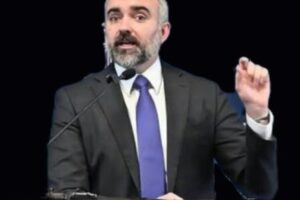




















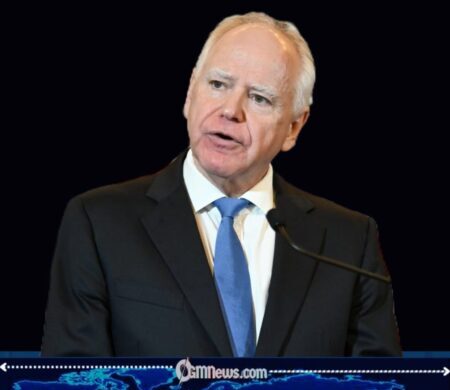
Tim Walz has called on the Democratic Party to make universal healthcare a central policy priority should it regain control of the White House and Congress in future elections. Speaking in a recent political commentary, Walz warned that failure to focus decisively on healthcare reform could lead the party back into what he described as a “same situation,” referring to recurring policy challenges and unmet public expectations. His remarks have added momentum to ongoing internal debates within the party about long-term legislative priorities and electoral strategy.
Walz Calls for Clear Healthcare Agenda in Future Democratic Governance
Tim Walz emphasized that universal healthcare should not be treated as a secondary policy discussion but as a foundational goal for any future Democratic administration. He argued that healthcare access remains one of the most pressing concerns for American households and must be addressed with sustained political commitment.
According to Walz, any return to power for Democrats without a clear and actionable healthcare plan risks repeating cycles of policy stagnation. He stressed that bold reforms would be necessary to meet voter expectations and restore public confidence in governance.
Warning Against Repeating Past Policy Cycles
Walz cautioned that political victories without structural reform often lead to disappointment among citizens. He suggested that previous opportunities to advance healthcare reform had not been fully maximized, resulting in continued systemic challenges.
He described this as a “same situation” scenario, where political control changes but underlying issues remain unresolved. In his view, breaking this cycle requires a more focused and disciplined legislative approach centered on healthcare delivery.
Universal Healthcare at the Center of Policy Debate
The proposal for universal healthcare remains a deeply debated issue within U.S. politics, with differing views even among Democrats. Walz’s remarks reflect a growing faction within the party that believes healthcare reform should be prioritized above other policy initiatives.
Supporters of universal healthcare argue that it would reduce long-term costs and expand access, while critics raise concerns about funding, implementation, and federal oversight. Walz’s comments add renewed attention to these ongoing policy divisions.
Democratic Party Strategy and Internal Priorities
Walz’s statement also highlights broader discussions within the Democratic Party about strategic focus heading into future elections. Party leaders continue to evaluate how best to balance healthcare reform with other priorities such as economic policy, education, and infrastructure.
Political analysts note that healthcare has historically been a defining issue for Democratic platforms, and renewed emphasis on it could shape campaign messaging and voter engagement strategies in upcoming cycles.
Public Reaction and Political Interpretation
Reactions to Walz’s remarks have been mixed, with supporters praising his emphasis on healthcare reform as a necessary step toward addressing national inequality. Others view the statement as a reminder of the political challenges involved in delivering large-scale systemic change.
Commentators suggest that the comments may influence internal party discussions, particularly as Democrats assess their policy direction ahead of future elections. The emphasis on healthcare is expected to remain a central talking point in political discourse.
Broader Implications for Future Governance
Walz’s warning underscores the broader challenge of translating campaign promises into effective governance. Analysts note that universal healthcare remains one of the most ambitious policy goals in American politics, requiring both legislative unity and sustained political will.
As debates continue, his remarks are likely to contribute to ongoing discussions about how the Democratic Party defines its priorities if it regains control of federal government institutions.

Logging in is a breeze and the site stability is amazing even during peak hours....