


























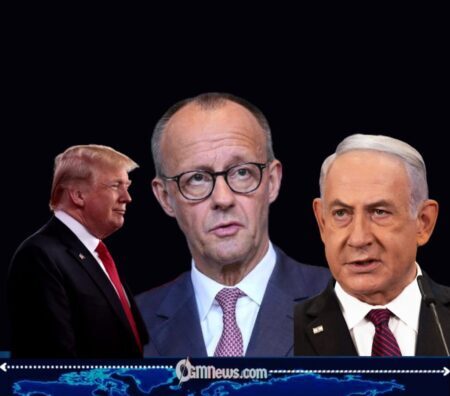
German Chancellor Friedrich Merz has taken center stage in international discourse after openly questioning the strategic direction of the United States and Israel in their ongoing confrontation with Iran. His remarks, delivered amid escalating tensions in the Middle East, highlight growing unease among European leaders over what they perceive as unclear war objectives.
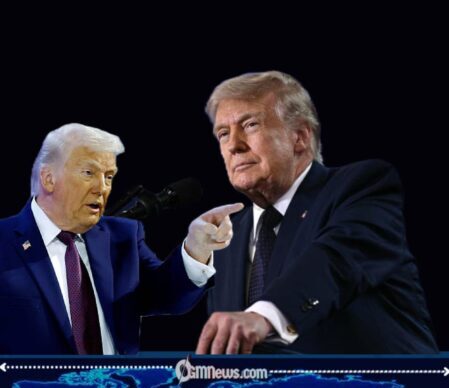
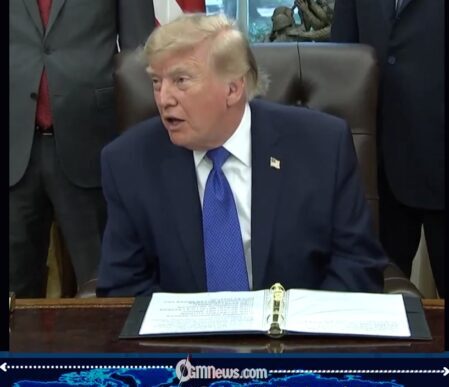
Friedrich Merz’s intervention places a spotlight on the policies of the current U.S. president serving a second term, Donald Trump, and Israeli Prime Minister Benjamin Netanyahu. By voicing concerns publicly, the German leader has amplified calls for greater clarity, coordination, and diplomatic engagement among Western allies.
Friedrich Merz’s Strategic Concerns Take Global Focus
At the heart of the debate is Chancellor Friedrich Merz’s assertion that both Washington and Tel Aviv lack a clearly articulated roadmap in their handling of Iran. His comments reflect a broader concern that without defined objectives, military actions risk becoming reactive rather than strategic.
Merz emphasized that long-term stability cannot be achieved through fragmented or ambiguous policies. His position signals Germany’s intention to push for a more structured and transparent approach, particularly within Western alliances.
European Allies Rally Around Merz’s Position
Friedrich Merz’s remarks have resonated across the European Union, where several member states share similar reservations.
European diplomats have increasingly stressed the need for unity and clarity in addressing complex geopolitical challenges.
The German Chancellor’s leadership on this issue has reinforced Europe’s collective voice, with officials urging closer consultation and alignment with allies. The absence of a clear strategy, they argue, risks undermining transatlantic cooperation at a critical moment.
Escalating Middle East Crisis Under Scrutiny
The ongoing tensions involving Iran, Israel, and the United States have intensified global concern. Military exchanges, cyber activities, and proxy conflicts continue to fuel instability across the region.
Friedrich Merz’s critique draws attention to the potential consequences of unchecked escalation. Analysts warn that without a coherent strategy, the conflict could expand, drawing in additional regional and global actors.
Germany Advocates Diplomacy Over Escalation
Under Friedrich Merz’s leadership, Germany has reaffirmed its commitment to diplomatic solutions. The Chancellor has consistently advocated for dialogue, signaling Berlin’s preference for negotiation over prolonged military engagement.
German officials are reportedly working behind the scenes to facilitate communication channels between key stakeholders. Merz’s stance underscores the importance of diplomacy as a means to de-escalate tensions and restore stability.
U.S. and Israeli Leaders Defend Their Approach
Despite Merz’s concerns, both President Trump and Prime Minister Netanyahu maintain that their actions are driven by pressing security needs. Washington has reiterated its commitment to protecting its interests and allies, while Israel continues to emphasize its right to self-defense.
However, critics argue that these justifications have yet to be matched by a clearly defined long-term strategy. Merz’s remarks have intensified scrutiny of both governments’ policies and objectives.
Global Implications of Merz’s Warning
Chancellor Merz’s statements have broader implications for international security and economic stability. Uncertainty surrounding the conflict has already begun to affect global markets, particularly in the energy sector.
Experts note that Merz’s call for clarity is not merely political but also practical. A well-defined strategy, they argue, is essential to maintaining global confidence and preventing further destabilization.
Calls Grow for Strategic Clarity and Allied Coordination
In the wake of Merz’s intervention, calls for improved coordination among Western allies have gained momentum. Diplomats and analysts alike stress the need for transparent communication and shared objectives.
As the situation continues to evolve, Friedrich Merz’s position has placed him at the forefront of efforts to reshape the conversation around the conflict. His emphasis on clarity and cooperation may prove pivotal in determining the path forward for both Europe and its allies.
Ae888covenuscasino, okay, I'm curious. Gonna check out this site and try to find some amazing...