

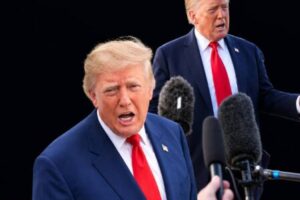






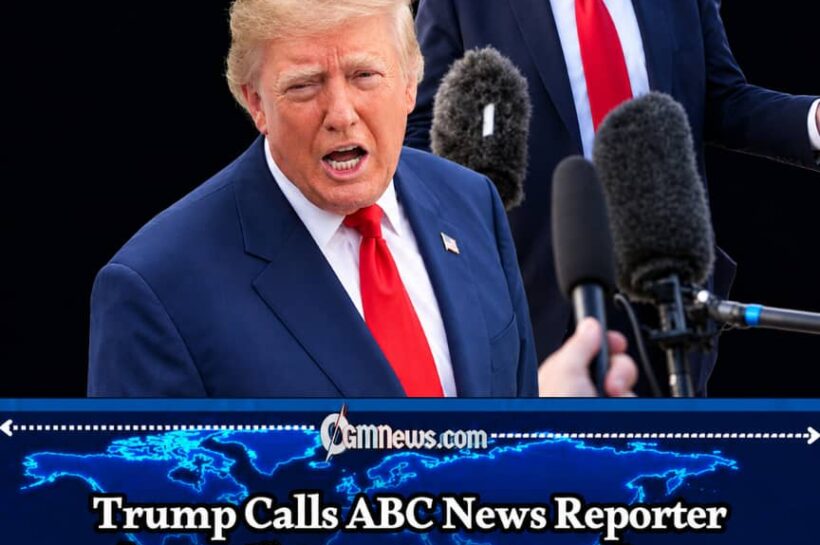




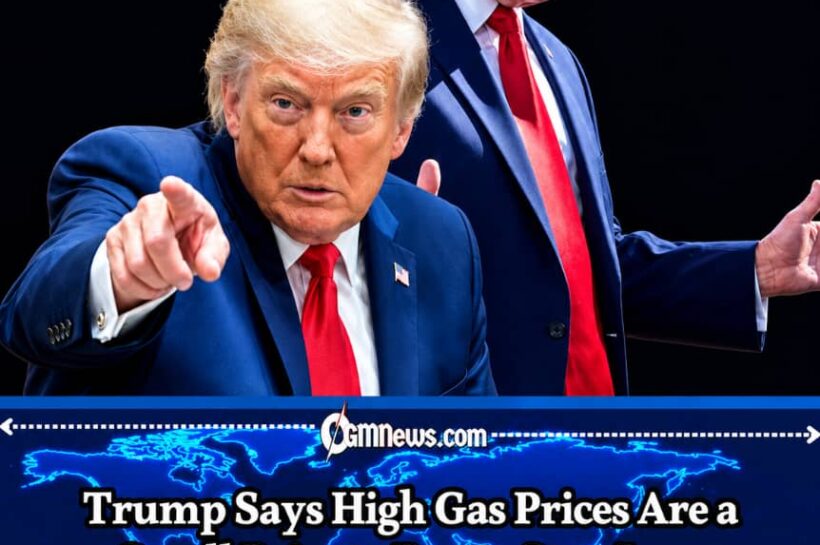
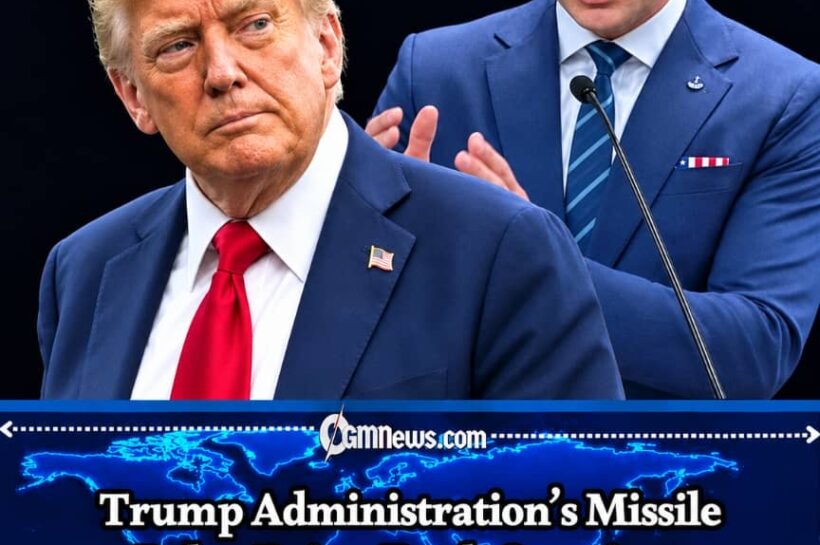




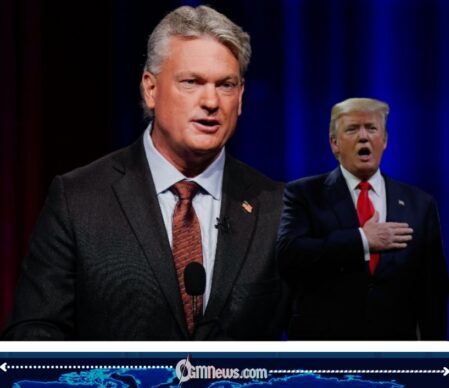
Georgia Senate runoff tensions escalated dramatically on Saturday after President Donald J. Trump issued a late-stage MAGA endorsement for Republican Rep. Mike Collins, injecting fresh volatility into one of the most closely watched races shaping control of the U.S. Senate. The move, coming just days before Tuesday’s runoff election, has intensified scrutiny of party unity and electoral strategy in Georgia’s battleground political landscape.
Supporters of Collins immediately framed the endorsement as a decisive momentum shift, while critics within the broader Republican ecosystem warned it could further deepen existing fractures between competing conservative factions.
Last-Minute Political Intervention
The Georgia Senate runoff had already been marked by intense competition between Mike Collins, a self-described MAGA-aligned candidate, and Derek Dooley, a former college football coach backed by Georgia Governor Brian Kemp. President Donald J. Trump’s endorsement of Collins added a new layer of national attention to an already heated contest.
The announcement arrived at a crucial moment in the campaign cycle, with both candidates mobilizing final outreach efforts across key voter regions. For Collins, the MAGA endorsement served as a symbolic consolidation of his alignment with the president’s political brand, reinforcing his positioning within the Republican base.
Internal GOP Fault Lines Deepen
Beyond the immediate campaign reaction, the Georgia Senate runoff has exposed underlying divisions within the Republican Party. The contest between Collins and Dooley is widely viewed as a proxy battle between Trump-aligned conservatives and establishment-backed figures associated with Governor Kemp’s influence.
Political analysts note that President Donald J. Trump’s endorsement strategy continues to shape primary and runoff dynamics across multiple states, often elevating ideological loyalty as a central factor in candidate viability. In Georgia, this dynamic has intensified voter polarization, with campaign messaging increasingly focused on identity within the party rather than traditional policy distinctions.
Observers also highlight that while MAGA endorsements often energize segments of the electorate, they can simultaneously complicate broader coalition-building efforts needed in closely divided states.
Broader Electoral Implications
The Georgia Senate runoff carries significant implications for the balance of power in the U.S. Senate, where Republicans are seeking to maintain a narrow majority heading into the November midterm elections. The outcome in Georgia is expected to influence national campaign strategy, donor activity, and party messaging in other battleground states.
As election day approaches, both camps are intensifying grassroots outreach and digital campaigning, with turnout expected to play a decisive role in determining the winner. The race remains highly competitive, and the impact of last-minute endorsements—particularly from President Donald J. Trump—continues to be closely monitored by political stakeholders.
Ultimately, the Georgia contest reflects a broader trend in American politics where party loyalty, high-profile endorsements, and ideological alignment are increasingly shaping electoral outcomes. OGM News will continue to track developments as voters head to the polls and the final result reshapes the state’s political direction.



Logging in is a breeze and the site stability is amazing even during peak hours....