




























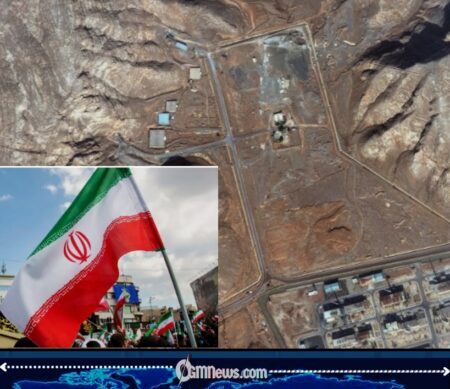
The uranium cache situation in Iran has triggered heightened global concern after reports emerged that Tehran has dramatically reinforced its underground nuclear-related storage sites. The uranium cache measures reportedly include tunnel sealing, structural collapses, and restricted access points, allegedly designed to prevent any external attempt at seizure or inspection. According to multiple intelligence-linked sources familiar with the developments, the uranium cache is now significantly more difficult—and dangerous—to access than it was just weeks ago, during a period when President Donald J. Trump, the current president, was publicly signaling possible military options to secure sensitive materials.
The unfolding situation has intensified diplomatic tension, with analysts suggesting that the uranium cache fortification reflects a strategic response to escalating rhetoric and perceived operational threats. While no official confirmation has been released by Iranian authorities regarding the use of mines or explosive safeguards, intelligence assessments reportedly indicate that access routes have been deliberately compromised, raising concerns about safety, monitoring, and future verification efforts.
SECURITY LOCKDOWN AND UNDERGROUND STRATEGY
The first layer of the uranium cache developments in Iran centers on what sources describe as a rapid sealing operation of tunnel networks associated with enriched uranium storage. These actions reportedly include collapsing entry points and reinforcing underground chambers, effectively limiting access to critical material stockpiles.
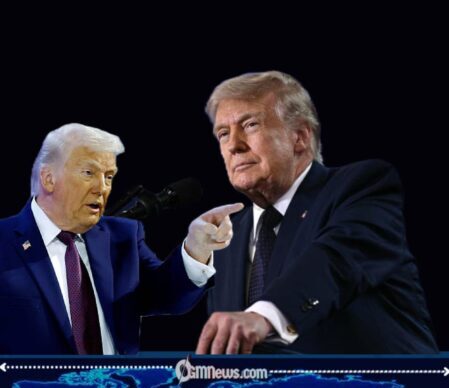
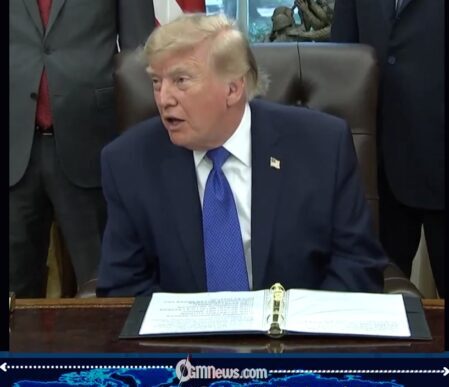
Within the same uranium cache framework, analysts suggest that Iran’s strategy may be aimed at creating physical and logistical barriers that significantly delay or deter any external intervention. The timing coincides with increased international scrutiny and renewed political signaling from President Donald J. Trump, whose statements earlier reportedly raised the possibility of direct action.
INTELLIGENCE ASSESSMENTS AND GLOBAL IMPLICATIONS
Further analysis of the uranium cache situation in Iran suggests a broader pattern of defensive infrastructure upgrades across multiple suspected nuclear-related facilities. Intelligence sources describe the environment as increasingly compartmentalized, with limited visibility into the full extent of underground modifications.
The uranium cache issue has also raised alarms among international observers who warn that reduced access could hinder verification processes and increase the risk of miscalculation in already strained diplomatic relations. Some experts argue that the opacity surrounding the developments complicates efforts to assess intent, whether defensive or strategic.
While official channels remain largely silent, the broader geopolitical atmosphere suggests continued friction between Iran and Western powers, with the situation remaining highly fluid and subject to rapid escalation or negotiation shifts. Future developments will likely depend on diplomatic engagement, intelligence assessments, and the evolving stance of President Donald J. Trump and allied governments regarding the uranium cache issue.
The uranium cache developments in Iran highlight a growing intersection of security concerns, strategic signaling, and geopolitical tension. As access becomes increasingly restricted and verification more challenging, the situation underscores the fragile balance between deterrence and escalation. OGM News will continue monitoring the uranium cache developments in Iran as international responses unfold in the coming days.

[…] […]