




























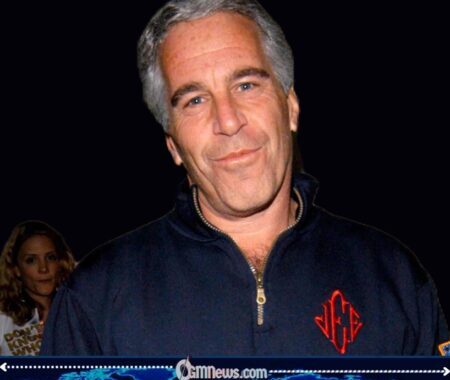
Nearly seven years after the arrest of disgraced financier Jeffrey Epstein, two of his closest professional associates remain at the center of renewed scrutiny in the United States. Richard Kahn, Epstein’s longtime accountant, and Darren Indyke, his attorney for decades, now control the late financier’s vast estate and many of the documents tied to his network.
As the United States House Committee on Oversight and Accountability investigates Epstein’s operations and financial dealings, the two men have been subpoenaed to testify before lawmakers. Their role has drawn attention from survivors, investigators, and policymakers who argue that understanding Epstein’s financial and corporate network could shed light on how his activities were sustained for years. Despite allegations raised in lawsuits and court filings, both men deny wrongdoing and have not been charged with crimes.
The Epstein’s Mansion Safe and the Missing Evidence
In July 2019, when federal agents arrested Epstein at his New York residence, investigators from the Federal Bureau of Investigation discovered a large safe inside the mansion. According to FBI documents, the safe contained valuables and materials that could have been relevant to the investigation: diamonds, stacks of cash, passports, CDs, and hard drives.
However, agents initially faced a legal obstacle. An issue with the search warrant prevented them from immediately removing the items. By the time authorities returned with a corrected warrant, the safe had reportedly been emptied.
Investigators later wrote that Richard Kahn had instructed staff at the residence to pack two suitcases with the contents of the safe and deliver them to his home. After discussions with law enforcement through his legal counsel, Kahn eventually agreed to surrender the suitcases untouched. His lawyer maintains that Kahn fully cooperated with investigators and complied with their requests
Executors of a Vast Estate
Just two days before his death in August 2019 while awaiting trial, Epstein amended his will. The changes transferred his wealth into a trust named after his birth year and appointed Kahn and Indyke as co-executors responsible for administering the estate.
At the time of his death, Epstein’s fortune was estimated at approximately $635 million, according to lawyers representing survivors. The exact current value remains uncertain because the estate has been used to fund settlements, legal costs, and ongoing claims.
As executors, Indyke and Kahn oversee compensation agreements with survivors and the management of Epstein’s assets. Some settlement arrangements have included clauses limiting further legal action against them personally. Their positions also entitle them to compensation for administering the estate, though their lawyers say the payments are modest and consistent with standard estate management practices.
Allegations Raised in Court Filings
Several lawsuits filed over the years have suggested the two men had extensive control over Epstein’s financial operations. Court documents claim that either Kahn or Indyke—often both—held signatory authority over many of Epstein’s accounts, giving them the power to authorize financial transactions.
The filings also allege that they helped manage multiple corporate entities associated with Epstein. Some plaintiffs claim these companies played roles in facilitating payments to victims or recruiters involved in his abuse network.
Lawyers representing the two men strongly reject these claims. Kahn’s attorney has stated that his client provided routine accounting services common in professional practice. Similarly, Indyke’s legal team insists that no court has found either man responsible for wrongdoing and that neither has been accused of committing or witnessing abuse.
Financial Networks and Corporate Structures
A lawsuit brought by authorities in the United States Virgin Islands against Epstein’s estate highlighted the complexity of his financial structure. The case alleged that the network involved more than 140 bank accounts connected to Epstein’s operations.
According to filings, one New York design company allegedly served as part of a financial network used to move money to victims or associates. The company, investigators claimed, received funding directly from Epstein’s personal accounts. In some instances, individuals listed as employees were alleged to have had unrelated professions.
The estate settled the lawsuit in 2022, agreeing to pay more than $105 million and share proceeds from the sale of one of Epstein’s private islands. Importantly, settlements typically resolve disputes without requiring the defendants to admit liability.
Claims About Cash Withdrawals and Payments
Court filings also examined patterns of cash withdrawals tied to accounts associated with Epstein and Indyke. Documents claim that repeated withdrawals were structured in ways that might avoid certain banking reporting requirements.
Investigators alleged that, over a two-year period, Indyke withdrew thousands of dollars at a time from Epstein’s accounts and that additional withdrawals occurred through automated teller machines near his law office. These claims were included in civil litigation records rather than criminal findings.
Indyke’s lawyer has denied the allegations, stating that the transactions were lawful and that neither he nor Kahn engaged in any illegal financial activity.
Survivor Perspectives and Congressional Inquiry
Survivors of Epstein’s abuse have long argued that examining his financial and administrative network is critical to understanding how his operation functioned. One survivor told journalists that following the money could reveal how the system around Epstein was organized and sustained.
Members of Congress appear to share that view. Representative Suhas Subramanyam, who serves on the House Oversight Committee, said the two executors could offer valuable insight into Epstein’s financial arrangements and the broader network that supported him.
Both Kahn and Indyke are expected to answer questions under oath during upcoming congressional hearings. Their legal teams say they have already provided thousands of pages of documents and materials to lawmakers in response to subpoenas.


The weekly tournaments here keep me coming back because the prize pools are surprisingly generous....