






















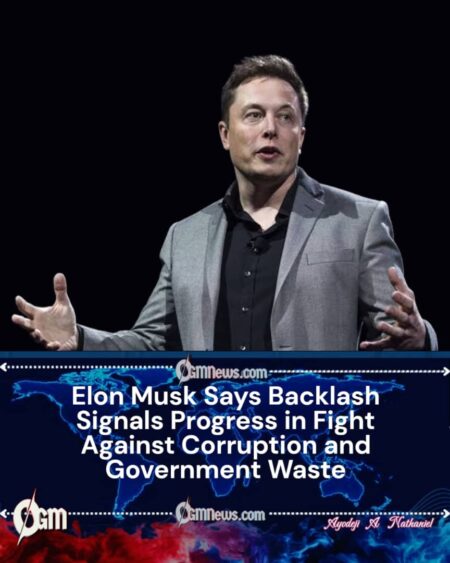
Billionaire entrepreneur Elon Musk has argued that the recent surge in hostility and violence surrounding political and institutional debates is not a sign of failure, but evidence that efforts to confront corruption and government waste are beginning to take effect. According to Musk, resistance often intensifies when entrenched interests feel genuinely threatened.
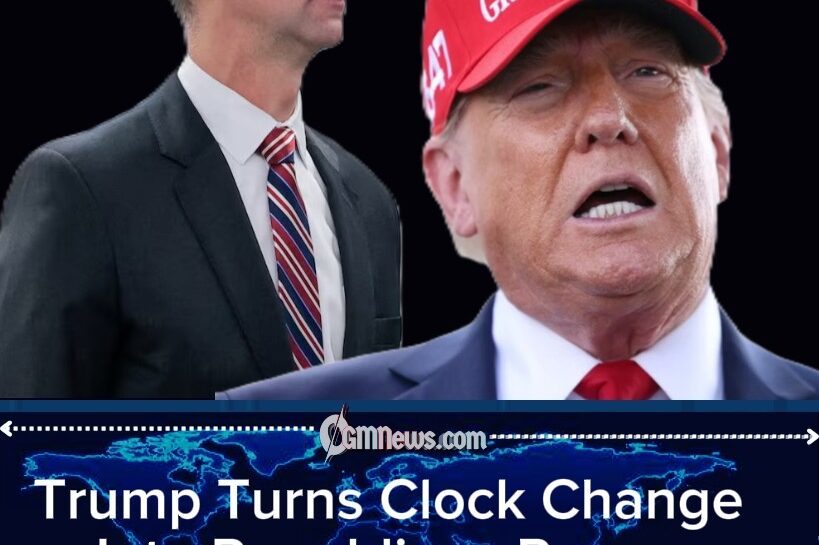
Musk directly linked this dynamic to President Donald Trump, the current U.S. president serving his second term, saying that without Trump pushing the agenda forward, such disruption—and the reaction to it—would not be occurring. In his view, the backlash itself is a measurable indicator of progress.
Musk’s Interpretation of Rising Hostility
Musk suggested that growing anger and aggressive rhetoric from critics reflect fear among those who benefit from inefficient or corrupt systems. He argued that meaningful reform rarely proceeds quietly and that resistance escalates when change begins to undermine established power structures.
Rather than seeing hostility as a warning sign, Musk framed it as confirmation that reform efforts are hitting their intended targets. He described opposition reactions as proportional to the effectiveness of the policies being pursued.
Corruption and Government Waste as Central Targets
At the core of Musk’s remarks is the claim that corruption and government waste have long been protected by institutional inertia. He contended that exposing inefficiencies and redirecting public resources toward productive use inevitably challenges influential interests.
Musk has previously emphasized efficiency, accountability, and results-driven management in both the private and public spheres. In this context, he portrayed reform as a disruptive but necessary process rather than a consensual one.
The Role of President Trump
Musk credited President Trump with providing the political will required to sustain such confrontational reforms. He argued that Trump’s leadership has created an environment where long-standing practices can be questioned and overturned.
According to Musk, without Trump’s willingness to confront entrenched systems directly, efforts to reduce waste and corruption would stall. He framed the president’s role as catalytic rather than symbolic, asserting that tangible change requires sustained pressure from the top.
“America First” as a Measure of Progress
Musk tied the reform effort to the broader “America First” philosophy, describing it as a focus on national interest, efficiency, and accountability to citizens rather than institutions. He suggested that visible resistance is a sign that this philosophy is moving beyond rhetoric into implementation.
In his view, the louder and more aggressive the opposition becomes, the clearer it is that reforms are producing real effects. Silence, he implied, would indicate stagnation rather than success.
Public Reaction and Political Polarization
The comments come amid heightened political polarization, where policy debates increasingly carry emotional and ideological weight. Supporters interpret Musk’s remarks as validation of disruptive reform, while critics argue that rising hostility reflects social strain rather than policy success.
Analysts note that while backlash can indicate change, it can also carry risks if not managed carefully. Sustaining reform, they argue, requires balancing disruption with institutional stability.
Looking Ahead: Reform and Resistance
Musk’s comments suggest that he expects resistance to continue as reforms advance. He framed this not as an obstacle but as an inevitable phase in structural change.
Whether public hostility ultimately subsides or escalates may depend on whether reforms deliver measurable improvements in governance, transparency, and economic outcomes—benchmarks that will shape public judgment over time.
[…] […]