








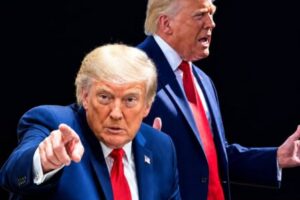













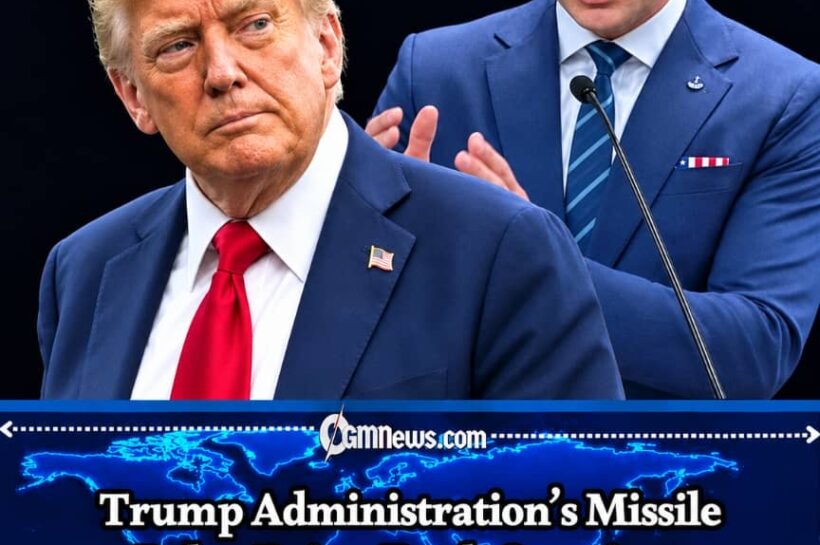




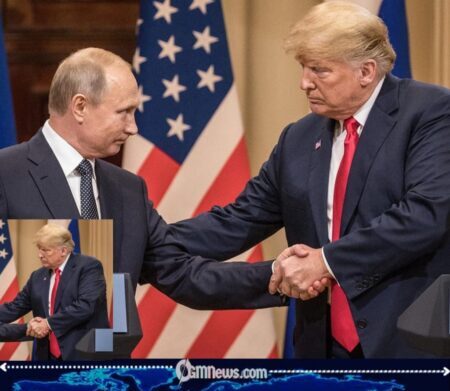
Donald Trump, the current U.S. president serving a second term, is expected to extend a key waiver on sanctions affecting Russian oil exports, marking a significant policy adjustment in Washington’s approach to global energy stability. The anticipated decision reflects ongoing efforts to balance geopolitical pressure with the need to prevent disruptions in international oil supply chains.
Donald Trump’s administration is considering the extension amid sustained volatility in global energy markets and rising concerns among allied economies. Officials suggest the move is aimed at maintaining market predictability while preserving the broader framework of sanctions against Russia.
Sanctions and Energy Market Disruptions
Donald Trump’s administration has continued to enforce sanctions targeting energy revenues linked to Russia following geopolitical tensions that reshaped global trade patterns. These sanctions were designed to restrict Moscow’s financial capacity while encouraging alternative energy sourcing among import-dependent nations.
Donald Trump’s waiver mechanism was introduced to soften the immediate impact of these restrictions, allowing controlled transactions under strict conditions. This policy has helped prevent abrupt supply shocks, particularly in markets heavily reliant on Russian crude oil and refined products.
Policy Rationale: Balancing Economic Stability and Political Pressure
Donald Trump’s expected extension of the waiver is seen as a pragmatic step to avoid sudden spikes in global oil prices, which could destabilize both advanced and emerging economies. Energy analysts note that maintaining partial access to Russian supplies has contributed to price stabilization in recent months.
Donald Trump’s strategy reflects a dual-track approach, combining sustained sanctions pressure with flexible exemptions to mitigate unintended economic consequences. This approach is widely interpreted as an effort to maintain leverage over Moscow while preventing collateral damage to global consumers.
Global Energy Impact: Market Reactions and Regional Effects
Donald Trump’s policy decision is likely to influence global energy markets, where traders closely monitor regulatory shifts from Washington. Continued waiver provisions are expected to provide short-term stability in crude oil pricing and supply flows.
Donald Trump’s move is particularly significant for regions such as Europe and parts of Asia, where energy importers have been navigating the transition away from Russian fossil fuel dependence. The extension would grant additional time for diversification strategies to take effect.
Diplomatic and Domestic Implications: Strategic Calculations Ahead
Donald Trump’s extension of the waiver carries diplomatic implications, signaling a calibrated approach to allies and adversaries alike. For allied nations, it demonstrates responsiveness to economic realities, while still maintaining collective pressure on Moscow.
Donald Trump’s administration is also weighing domestic considerations, particularly inflation and energy affordability concerns within the United States. By moderating the pace of sanctions enforcement, the policy aims to protect consumers from potential price surges while sustaining broader foreign policy objectives.
Outlook: Future of Sanctions and Energy Policy Direction
Donald Trump’s decision on the waiver is expected to remain flexible, with future adjustments depending on geopolitical developments and market conditions. Officials indicate that the policy framework will continue to evolve in response to global energy dynamics.
Donald Trump’s broader energy strategy suggests an ongoing effort to align economic stability with strategic geopolitical positioning. As global uncertainty persists, the administration’s approach will likely remain focused on balancing pressure with pragmatism.

Logging in is a breeze and the site stability is amazing even during peak hours....