
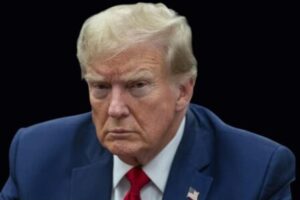



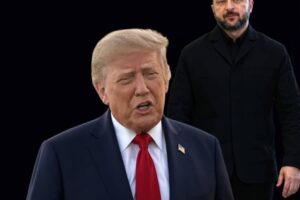

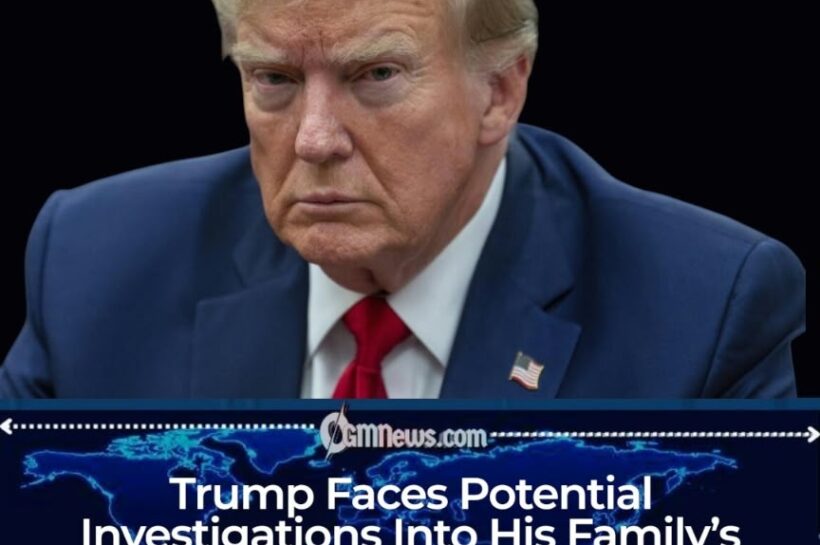
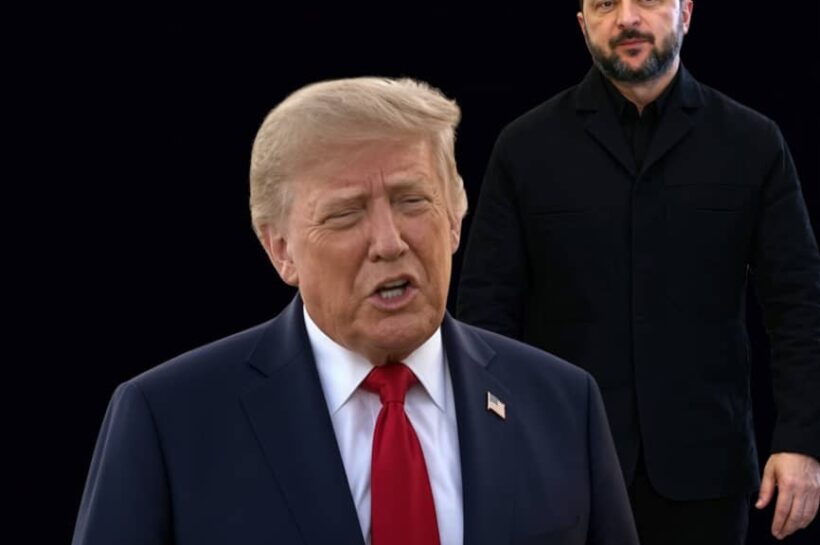




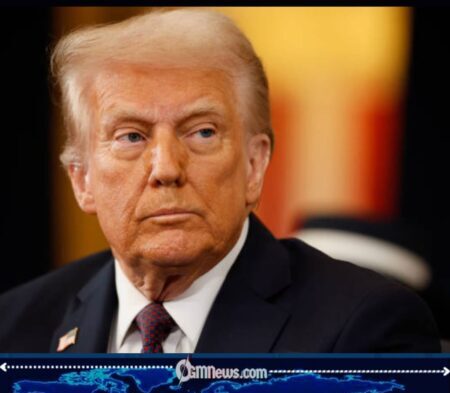
Donald Trump has drawn significant international attention after defending a controversial stance on Iran, suggesting that the country’s treatment of its own citizens weakens its claim to protection under the laws of war. His remarks have sparked widespread debate among policymakers, legal experts, and human rights advocates over the limits of military conduct.
The statement comes at a time of rising geopolitical tension, placing renewed focus on how global powers interpret and apply international humanitarian law. Observers warn that such rhetoric could influence both public opinion and real-world strategic decisions.
Legal Standards: Protections Under International Law
International humanitarian law, particularly the Geneva Conventions, strictly prohibits the targeting of civilian infrastructure, including power plants, hospitals, and water systems. These rules are designed to minimize harm to civilians and preserve essential services during armed conflict.
Legal experts stress that these protections are universal and do not depend on a country’s internal conduct. Regardless of a government’s domestic actions, all parties involved in a conflict are required to comply with established legal standards.
Donald Trump’s Position: A Contested Justification
Donald Trump’s argument suggests that Iran’s alleged actions against its own citizens diminish its entitlement to protections typically guaranteed under international law. This reasoning has generated strong disagreement within the global legal community.
Scholars and analysts argue that such a position contradicts the core principles of humanitarian law, which are intended to remain neutral and apply equally to all sides. They caution that redefining these rules based on political or moral judgments could weaken long-standing legal frameworks.
Global Reaction: Widespread Criticism and Concern
Reactions to Donald Trump’s remarks have been largely critical, with international organizations and governments expressing concern over their implications. Human rights groups warn that justifying attacks on civilian infrastructure could set a dangerous precedent.
Diplomatic voices have emphasized the importance of maintaining clear and consistent legal standards. They argue that weakening these rules risks increasing civilian suffering and undermining accountability in times of war.
Humanitarian Impact: Civilian Risks and Consequences
The destruction of infrastructure such as power plants can have severe and lasting effects on civilian populations. Disruptions to electricity can affect healthcare systems, water supply, and communication networks, leading to widespread hardship.
Humanitarian agencies highlight that these consequences often extend far beyond the immediate conflict, contributing to long-term instability, displacement, and public health crises.
Strategic Context: Rising Tensions and Policy Implications
Donald Trump’s comments come amid heightened tensions between the United States and Iran, as both nations navigate complex strategic dynamics. Analysts suggest that strong rhetoric may be intended to signal resolve, though it also carries the risk of escalation.
Experts note that statements from national leaders can shape both domestic and international responses, making adherence to legal and diplomatic norms especially important during periods of uncertainty.
Donald Trump at the Center of a Global Legal Debate
As discussions continue, Donald Trump remains at the center of a broader debate about the future of international humanitarian law and the conduct of modern warfare. The situation highlights the ongoing challenge of balancing national security objectives with legal and ethical responsibilities.
The outcome of this debate may have lasting implications—not only for current geopolitical tensions but also for the global framework governing armed conflict in the years ahead.
78betvip, hopped in for a quick look. Eh, the VIP perks are alright, but not...