























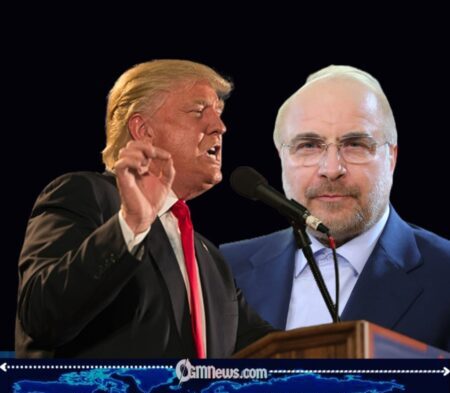
Donald Trump, currently serving a second term as President of the United States, is reportedly evaluating Iran’s parliamentary speaker, Mohammad Bagher Ghalibaf, as a possible future political partner in Tehran. According to a report by Politico, this consideration reflects a strategic recalibration in Washington’s approach to Iran amid ongoing tensions and shifting geopolitical realities.
Donald Trump is said to be overseeing a broader foreign policy review that weighs both pressure and potential engagement with Iran. While no official confirmation has been issued, the reported deliberations suggest a willingness within the administration to examine alternative pathways for influence within Iran’s political system.
Strategic Reassessment of U.S.-Iran Relations
Donald Trump has maintained a firm stance on Iran since returning to office, continuing policies designed to limit Tehran’s nuclear ambitions and regional reach. The reported consideration of Ghalibaf, however, indicates a potential shift toward a more layered strategy that includes identifying possible future interlocutors.
Donald Trump appears to be balancing traditional hardline measures with longer-term diplomatic calculations. Analysts suggest that such thinking could be aimed at preparing for eventual political transitions within Iran, where new leadership figures may emerge with different priorities.
Who Is Mohammad Bagher Ghalibaf?
Donald Trump is reportedly considering a figure deeply embedded in Iran’s political establishment. Ghalibaf currently serves as Speaker of Parliament and has previously held key roles, including mayor of Tehran and presidential candidate, making him one of the country’s most visible political actors.
Donald Trump is understood to be examining Ghalibaf’s blend of military and administrative experience. His past association with the Islamic Revolutionary Guard Corps (IRGC) adds both influence and controversy, positioning him as a complex but potentially significant figure in Iran’s evolving leadership landscape.
Implications for U.S. Foreign Policy
Donald Trump could be signaling a subtle shift in foreign policy by exploring figures within Iran who might serve as future points of engagement. While sanctions and deterrence remain central, this approach suggests an openness to strategic flexibility.
Donald Trump may also be aiming to expand diplomatic options without immediately altering the current policy framework. Observers note that identifying potential partners early can provide leverage in future negotiations, particularly during periods of political change.
Reactions from Analysts and Stakeholders
Donald Trump has drawn mixed reactions from policy experts regarding this reported consideration. Some analysts caution that external interest in specific Iranian figures could complicate internal dynamics and reduce their domestic legitimacy.
Donald Trump is also seen by others as adopting a pragmatic lens, recognizing the importance of understanding key players within Iran’s system. These observers argue that such awareness is essential for any long-term diplomatic strategy.
Challenges and Uncertainties Ahead
Donald Trump faces significant hurdles in translating this reported strategy into tangible outcomes. Relations between Washington and Tehran remain strained, shaped by longstanding disputes over nuclear development, sanctions, and regional conflicts.
Donald Trump must also contend with Iran’s complex political structure, where authority is distributed across multiple institutions. This reality limits the influence any single figure, including Ghalibaf, may wield in shaping bilateral relations.
Future Expectation
Donald Trump is expected to continue evaluating strategic options as his administration navigates one of the most challenging foreign policy arenas. While the report remains unconfirmed, it highlights an evolving approach that blends firmness with cautious exploration.
Donald Trump may ultimately determine whether this reported consideration leads to concrete diplomatic engagement or remains part of broader internal deliberations within the administration.
[…] […]