




















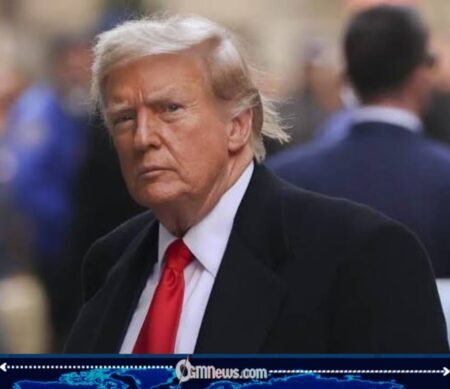
The Iran standoff surrounding President Donald J. Trump is rapidly evolving from a display of aggressive diplomacy into a prolonged geopolitical test with consequences stretching far beyond Washington and Tehran. What began as another high-pressure negotiation campaign now appears trapped in a dangerous stalemate, with threats escalating, markets trembling, and neither side willing to publicly retreat. Trump’s repeated warnings that “the clock is ticking” have amplified fears that the White House may be running out of diplomatic options while Iran calculates that survival, not compromise, is the real victory.
Brinkmanship:Trump Signals Frustration While Iran Refuses to Yield Under Pressure
Since returning to office, Trump has relied heavily on public pressure tactics that previously forced concessions from rivals on trade, security, and regional disputes. His administration approached Iran with the same formula: sanctions, military pressure, public ultimatums, and repeated declarations that Tehran would face devastating consequences if it refused to negotiate on American terms. But unlike previous adversaries, Iran has shown little willingness to respond quickly to coercion, even after suffering major military and economic setbacks.
The Iran crisis has instead become a contest of endurance. U.S. and Israeli strikes reportedly damaged key Iranian military assets and weakened senior leadership structures, yet Tehran continues signaling resistance rather than surrender. Analysts increasingly believe Iran’s leadership sees public defiance as politically essential for maintaining domestic credibility. Trump’s warnings about wiping out Iranian infrastructure if negotiations fail have intensified international concern that both governments are moving closer to escalation while simultaneously insisting they still prefer diplomacy.
Strait of Hormuz Tensions Raise Fears of Prolonged Economic Shock
Beyond the military tensions, the Iran deadlock has triggered growing panic throughout global energy markets. Disruptions linked to the Strait of Hormuz — one of the world’s most strategically important oil shipping routes — have already pushed oil prices sharply upward, fueling inflation fears across multiple economies. Market analysts warn that even the perception of prolonged instability in the Gulf region is enough to destabilize supply chains and drive energy costs higher for millions worldwide.
Additional reporting surrounding negotiations suggests that Trump’s administration has repeatedly extended deadlines while balancing threats with attempts at behind-the-scenes diplomacy. Some officials reportedly explored temporary sanctions relief or mediated talks through regional partners, even as the president publicly intensified rhetoric against Tehran. Critics argue the conflicting strategy has created uncertainty both in financial markets and among allies who fear a prolonged crisis without a clear diplomatic roadmap. Meanwhile, Iran appears to believe that rising global energy pressure may eventually weaken international support for Washington’s hardline position.
The Iran confrontation now stands as perhaps the clearest test yet of whether brinkmanship alone can still produce fast geopolitical victories in an increasingly fractured global order. While Trump continues projecting confidence publicly, the growing economic fallout and diplomatic deadlock suggest this crisis may not end with a dramatic surrender or swift agreement. Instead, the world may be entering a prolonged era of tension where every threat shakes markets, every delay fuels uncertainty, and every political statement carries consequences far beyond the negotiating table. OGM News will continue monitoring how the Iran standoff reshapes diplomacy, energy security, and global stability in the weeks ahead.
[…] […]