




























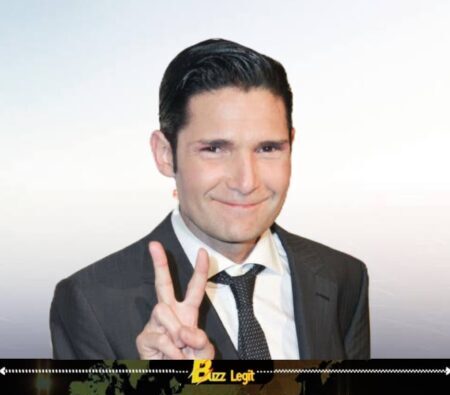
Corey Feldman has broken his silence after being noticeably absent from a tribute honoring filmmaker Rob Reiner at the Oscars, offering a brief but telling reaction: “It is what it is.” Corey Feldman’s response has quickly circulated across entertainment media, sparking conversations about recognition, legacy, and omissions within Hollywood’s most celebrated night.
The actor, known for his roles in classic films of the 1980s, has long been associated with an era of cinema that continues to influence pop culture today. His absence from the tribute has prompted fans and industry observers alike to question how honorees and collaborators are selected for such moments.
While Feldman’s comment appeared measured, it carried an undertone that many interpreted as disappointment, even as he refrained from direct criticism of the Academy or the tribute organizers.
Hollywood Reactions and Industry Response
Corey Feldman’s absence has ignited broader discussion within Hollywood circles about how contributions are acknowledged during major award ceremonies. Corey Feldman has remained relatively restrained publicly, but the conversation surrounding him continues to grow.
Some industry figures have suggested that omissions are not uncommon, given time constraints and the challenges of curating comprehensive tributes. Others argue that such moments should strive to be more inclusive, particularly when honoring individuals with extensive collaborative histories.
Fans have taken to social media to express mixed reactions, with some defending the Academy’s choices while others feel Feldman’s contributions warranted recognition.
Corey Feldman and Career Legacy
Corey Feldman has built a career that spans decades, with performances that helped define a generation of films. Corey Feldman’s work alongside prominent directors and actors has cemented his place in Hollywood history.
His connection to Rob Reiner’s body of work has been part of the ongoing discussion, as observers revisit past collaborations and their cultural impact. This has reignited interest in Feldman’s earlier roles and their lasting significance.
Despite the current controversy, Feldman’s legacy remains intact, supported by a dedicated fan base and a body of work that continues to resonate with audiences.
The Challenges of Awards Show Tributes
Corey Feldman’s situation highlights the inherent difficulties in organizing tribute segments for major events like the Oscars. Corey Feldman’s omission has become a case study in how such decisions can lead to unintended backlash.
Tributes are often constrained by time, narrative focus, and the desire to highlight specific aspects of an honoree’s career. These limitations can result in notable exclusions, even when there is no deliberate intent to overlook contributors.
Organizers must balance storytelling with inclusivity, a challenge that becomes more complex as the scope of an individual’s career expands.
Public Perception and Media Coverage
Corey Feldman’s reaction has shaped much of the media narrative, with his understated comment being widely quoted and analyzed. Corey Feldman has effectively allowed the story to unfold without escalating the situation.
Media coverage has ranged from sympathetic to analytical, examining both Feldman’s career and the broader implications of his absence. The story has also highlighted how quickly such moments can gain traction in the digital age.
Public perception remains divided, with ongoing debate about whether the omission was a significant oversight or an understandable limitation.
Looking Ahead After the Oscars
Corey Feldman’s brief statement suggests a willingness to move forward, even as discussions continue. Corey Feldman has not indicated any plans to pursue the matter further, choosing instead to maintain a composed public stance.
The incident may influence how future tributes are structured, as organizers seek to avoid similar controversies. It also serves as a reminder of the importance of thoughtful recognition in an industry built on collaboration.
As the conversation evolves, Feldman’s response stands as a measured acknowledgment of the situation, leaving room for reflection without prolonging the dispute.



[…] […]