




















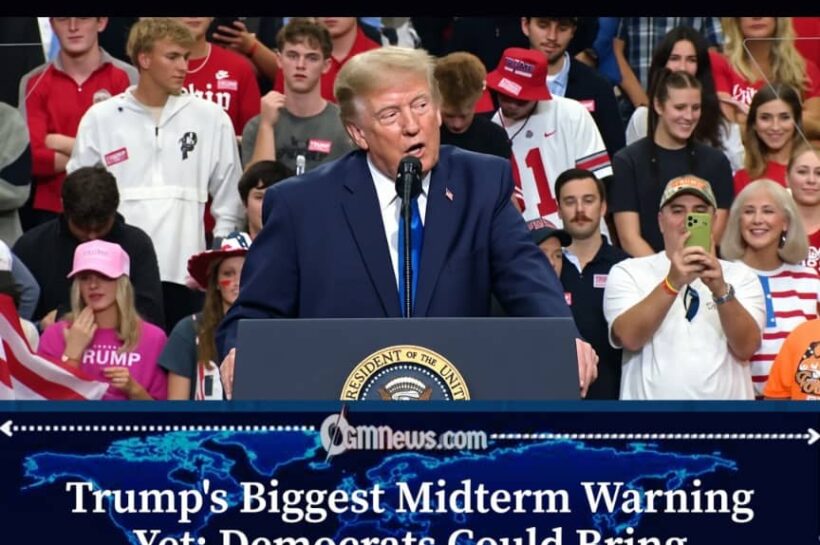




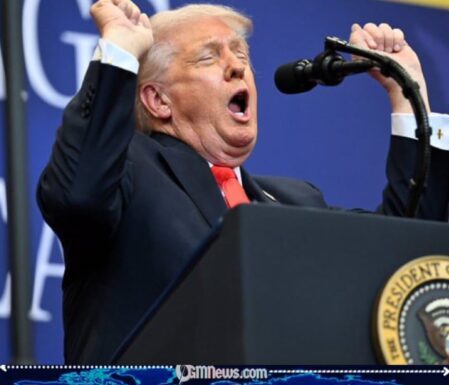
Communism has rapidly become one of the most repeated words in U.S. President Donald Trump’s political messaging, with a sharp increase in references over the past two weeks as Republicans refine their strategy ahead of the November midterm elections. The sudden escalation has sparked debate over whether the rhetoric is a calculated electoral strategy or an attempt to redefine the political battlefield away from economic concerns that continue to dominate voters’ minds.
Communism Messaging Takes Center Stage
According to an analysis of Trump’s recent public appearances and social media activity, the president has invoked communism 81 times since June 23, shortly after a wave of progressive Democratic candidates secured victories in primary elections across states including New York, Colorado, Kentucky, Ohio and Texas. Trump has repeatedly described several of those candidates as “hardcore, godless communists,” despite many of them identifying instead as democratic socialists who advocate progressive reforms through democratic elections rather than the abolition of private property associated with traditional communist ideology.
The messaging appears to be part of a broader Republican campaign strategy. People familiar with internal focus group discussions say early findings suggest the rhetoric strongly motivates core Republican supporters and could increase turnout among infrequent conservative voters. White House officials have defended the approach, arguing that what they describe as growing socialist and communist influence within parts of the Democratic Party represents a serious threat to the country’s future. Democratic leaders, however, have dismissed the accusations as politically motivated attacks designed to distract voters from pressing concerns such as inflation, housing costs and the overall cost of living.
Political Strategy Faces Mixed Reception Beyond Republican Base
The renewed emphasis on communism reflects a familiar tactic in American political history. During the Cold War, Republican leaders including Richard Nixon and Ronald Reagan frequently warned voters about communist influence. Political analysts note that Trump’s decision to revive similar language comes at a time when younger Americans have little direct memory of that era, raising questions about how effectively the message resonates outside older and traditionally conservative voting blocs.
Polling and campaign research suggest the strategy may have limits. Surveys indicate that while socialism continues to receive mixed public support, the meaning of both socialism and communism varies significantly across generations. Republican strategists believe the message could be particularly effective among Hispanic communities in states such as Florida and Texas, where many families have personal experiences with left-wing governments in Latin America. Others argue that independent voters remain more focused on economic performance, healthcare and affordability than ideological labels. As the campaign intensifies, Republicans are increasingly framing the election as a contest between common sense and political extremism, while Democrats insist voters are more interested in practical solutions than partisan branding.
With months remaining before Americans head to the polls, communism is likely to remain a central feature of Republican messaging. Whether the strategy succeeds in expanding support beyond Trump’s loyal base or simply reinforces existing political divisions will become clearer as the midterm campaign unfolds. OGM News will continue monitoring how both parties adjust their messaging and whether voter priorities ultimately favor ideological debates or everyday economic realities.

[…] […]